
E P Thompson on the role of boycotts & the Making of the English Working Class
Parliament gave a second reading to an anti-boycott Bill on 3rd July. Only 10 MPs voted against but rather more raised issues about how important boycotts are. The history only really went as far back as the boycott campaigns aimed at apartheid South Africa, which were very effective.
In fact boycotts going much further back and as E P Thompson showed in the Making of the English Working Class had a role to play in the formation of early radicalism and trade unionism.
He reports the radical Hazlitt observing dissenting Ministers of the Church stuffing raspberry leaves into their pipes. Their aim was to avoid taxable goods like tobacco and bring down the pre-1832 Governments of Old Corruption.
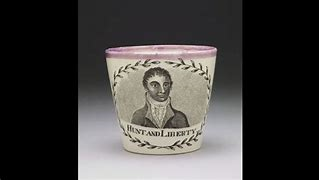
Similarly Henry Hunt who was the speaker at Peterloo in 1819 sold breakfast powder, roasted corn, which was designed to replace tea and coffee and similarly therefore boycott taxable goods
When union organisation was illegal under the Combination Acts in the 1820s craftsmen working under the union rate would be boycotted.
In short the boycott as a tactic has a very long history in British politics. Its not something Tories liked or like.


Leave a Reply