
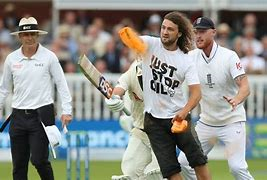
From the Chartists to the Shrewsbury Pickets & Just Stop Oil, the State is determined to break protest
The Times (10th July) has reported that the Government is considering representations to the Sentencing Council to give judges new guidelines in cases involving climate cases. The benchmark is the two years seven months sentences to two protesters who stopped the M25 by climbing the Dartford Bridge. The sentences were regarded as draconian and the judge underlined that they were political. The aim was to deter protest.
In a week which has seen the hottest temperatures ever recorded one might think that the priority for any sane Government would be to tackle climate change. In fact its to work out how to punish climate protesters more severely.
The State has a long a history of this.
In May 1840 the Chartist leader Feargus O’Connor was sentenced to 18 months in York Castle for his role in Chartist campaigns for the vote. In 1848 the left Chartist leader Ernest Jones suffered the same fate. So did numbers of Chartist activists. The aim was not only to punish them but anyone who relied on them for support. The vote for women and men was finally conceded in 1928.
In 1972 building workers fighting for decent terms and conditions in Shrewsbury were arrested and jailed, again for political reasons. The aim was to break the strike.
History suggests that the State’s determination to break protests has not worked but solidarity is essential to make sure this continues to be the case.


Leave a Reply