
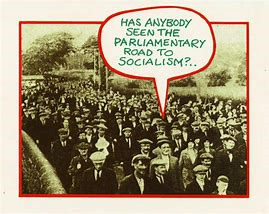
The below is an extract from a draft review of Rob Sewell’s Chartist Revolution(2020)
The late Marxist historian John Saville was of the view that if the Chartists had prevailed, for example in 1848, the outcome would not have been a socialist one but a form of plebeian democracy.
That might still have been world changing but the size of the industrial working class and its organisation was not yet at a stage where more was likely to have been achieved.
A comparison can be made with the successful 1917 revolution in Russia. Here organised workers were centrally involved but Russia remained in many areas a peasant society. The Bolsheviks knew that if the revolution was to sustain itself then a move towards socialism in Germany, a more advanced country industrially, was essential. It almost happened but in the end came defeat. That meant that socialism in Russia was isolated leading to the Stalinist socialism in one country period from the mid-1920s.
If we can understand that Chartism had the potential for revolution in a context where the outcome was likely to be less than a full scale overthrow of capital, there is also the question of understanding what Chartism did achieve and what this meant for the class battles to come.


Leave a Reply