
Yet More Really Useful Knowledge on the cost of living & inflation
In the nineteenth century radicals looked to disseminate really useful knowledge to counter officially promoted useful knowledge. The latter often focused on orthodox market economics to create an impression that poverty and wealth were parts of a natural order unrelated to what people did or did not do.
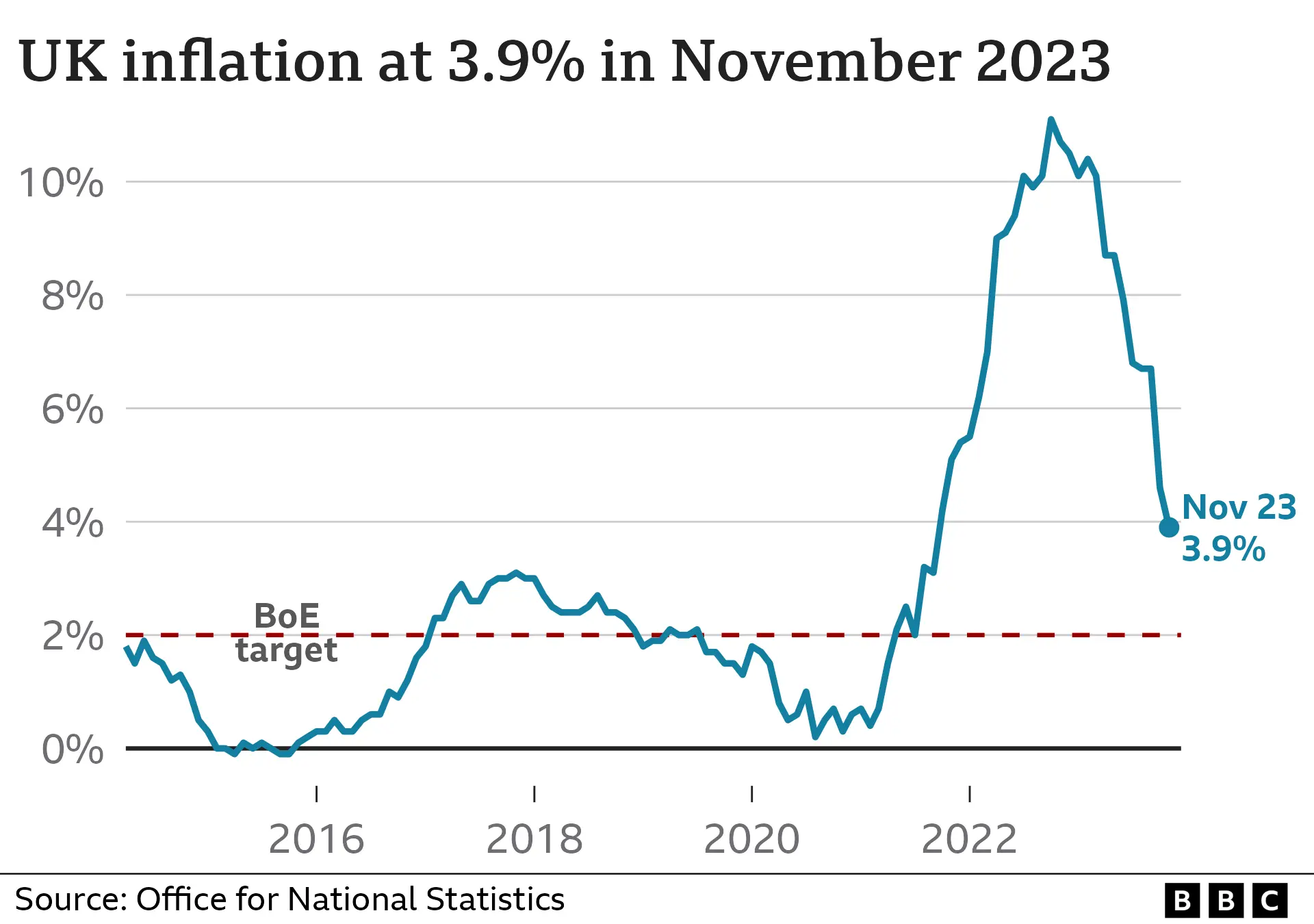
The battle for really useful knowledge continues. The headline inflation figure announced today is 3.9%. This is partly due to a statistical comparison, as the figure is compared year on year and partly because at the moment energy costs have fallen. Rishi Sunak was quick to claim credit for the drop in inflation, although he has previously said it was caused by factors outside of the control of the Government.
The reality is rather different to the spin. As the TUC has pointed out today’s figure means that prices are still going up, just not as quickly. Food price inflation is at 9.2% and there seems little sign of it falling quickly. Meanwhile many will wonder if the current reduction in energy costs will actually translate to lower bills this winter, given Government support available in 2022 is no longer there.
In all the media coverage of inflation there is little reference currently to the role that wage rises have had. It’s quite difficult to spin a story that accounts for increased wages and falling inflation. In reality wages remain below the level they were at before the financial crash of 2008/9.
It may be however that we are entering a standard of living debate of the kind E P Thompson addressed in the Making of the English Working Class, published 60 years ago in 1963. Looking at working class living standards in the 1830s and 1840s he noted that while many remained in poverty, unable to afford more than basic foodstuffs, for some workers wages did rise. The key issue was (and remains) whether people felt they were better off because they were a bit less worse off. Mostly in the period Thompson was looking at he argued they did not feel that the economy was working for them. Almost two hundred years on similar considerations may apply
Really Useful Knowledge suggests the need to organise to get more wage rises


Leave a Reply