
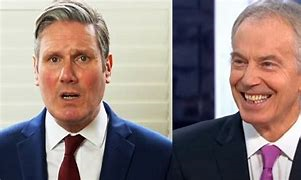
Labour, military action & Elections: the case of 2005
In the 2001 General Election, nearly a repeat of the result of 1997 Labour had a majority of 167. At the next Election in 2005 Labour’s majority dropped to 66. In 2001 Labour got10.7m votes (40.7%). In 2005 Labour got 9.5m votes (35.2%)
Tony Blair was replaced by Gordon Brown as PM in 2006.
In between the two Elections was the Iraq War. It was opposed by a significant number of Labour MPs (Blair didn’t have quite such an authoritarian focus as Starmer, dissent was freely expressed) and saw the biggest ever protest march in UK history onn 15th February 2003. The war has become even more unpopular since and has a limited number of warmongers who still think it was a good idea.
The drop in Labour’s majority was undoubtedly due in large part to opposition to the war. This focused on Muslim voters but there were many others also, usually Labour voters, who were alienated.
George Galloway won Bethnal Green and Bow from Labour on an anti-war platform. The vote was far wider than that however and undoubtedly included those just fed up with the difference between Labour’s plan to create a New Britain and the limited progress that was actually made.
It was clear in Tottenham that so many had departed Labour due to Iraq or at least dropped out of activity that the Party had no clear way of estimating what an anti-war anti-Labour vote might be.
18 years on we are back there again. Support for Jeremy Corbyn in the Labour Party may be much diminished but then so are membership numbers and activists.
It appears that Labour has twigged that its unceasing support for the Biden line on Gaza is not popular and can hit it electorally. Again in 2005 because its out of touch with things on the ground its floundering as to what the impact might be.
In 2023 and we find another Labour leader, Keir Starmer, supporting not a war but a genocide in Gaza. It is not a popular with the public, polls suggest around three quarters of the public want at the least an immediate ceasefire. Starmer is flat footed as a leader compared to Blair and doesn’t have a large majority to lose since he is in Opposition. Rather he has to overturn a still not insignificant Tory majority.
It’s unlikely particularly given the current debacle of an ever more right-wing and incompetent Tory Government that Labour will lose a 2024 Election which is just as well, despite Starmer. The lesson of 2005 and what followed is that in supporting an unpopular and murderous US led military operations Starmer is doing very significant damage to his chances of hanging around as Labour leader and PM. Blair’s departure underlines the point.
Unlike 2005 Starmer doesn’t have over a million votes to lose and still expect an Election victory


Leave a Reply