
Olympic traditions. London 2012, booing politicians
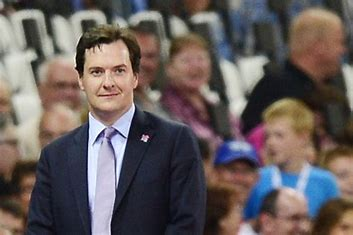
The media noted, often with some approval, the booing of George Osborne and Theresa May at the Olympic Stadium as they presented 2012 Paralympic Games medals.
What was not noted is the historical context.
After all in the age of texts, twitter and e-mails shouldnt booing be as old fashioned and redundant as the heckle at a political meeting? It would seem not, as the crowd’s disapproval made news headlines in a way that more modern methods of expressing dissatisfaction with a politician often don’t.
In fact booing has a long and complicated part in the history of protest.
Historically, certainly dating back to the time the crowd becomes an actor on the stage of history in the mid eighteenth century, booing has been a way of showing collective protest at the rich and powerful.
But it hasn’t been just booing.
What the American historical sociologist Charles Tilly called the ‘repertoire’ of the crowd went far beyond booing. It extended to hissing, groaning, hooting and pelting with missiles, often rotten vegetables or fruit but sometimes stones as well.
The London crowd in particular was well known from the start of the modern era for robust reactions to those it didn’t like. When John Wilkes, who went on to become Mayor of London, announced his intention to stand for Parliament at Middlesex in the late 1760s one of his opponents on appearing at a Brentford hustings found himself ‘jeered and hissed’
At the State opening of Parliament on 29th October 1795, EP Thompson notes in the Making of the English Working Class, the King was ‘hissed, hooted and his carriage pelted.. the King’s carriage window was fractured probably by a pebble’
Parson Woodforde recorded that George 111 was ‘hissed, hooted and groaned at by vast crowds’.
After the formation of the Metropolitan Police the authorities began to attempt to control unregulated street noises and two Acts of 1839 and 1841 aimed to ban all ‘uncommon noises’ from horn blowing to street cries.
The Acts were robustly enforced and their main provisions remain in force little amended today as anyone who has ever tried to organise or do anything on the street without telling the police will testify.
However the power of the crowd could overcome robust policing at any time.
In August 1842 the 3rd Battalion Grenadier Guards were mobilised from their barracks at Charing Cross to march to Euston Station and then by train to the north-west to be used against strikers involved in the 1842 General Strike, sometimes called the Plug Plot.
Large crowds of protesters gathered as the troops marched through central London and what the historian of London Chartism David Goodway describes as ‘murmurs of groans and hisses’ began. These grew so loud that the troops fixed bayonets in an attempt to silence the crowd. They failed.
In more recent times such crowd reactions have sometimes been stage managed- as at a pantomime and sometimes at sporting events, but the point about their use at a live event or on the street is that they are essentially spontaneous and unpredictable indicators of popular feeling.
It is not something that can be created from above or controlled it just happens, though of course in the unlikely event that 80,000 Tories could have been found to fill the Olympic stadium on that September day in 2012 possibly not too many would have booed the Chancellor
Hated politicians like Osborne get booed, while others may on occasion get cheered. Either way booing is a great democratic tradition and an Olympic one.


Leave a Reply