
On Wednesday 16th August an armed rising was planned for Seven Dials in central London. It was well supported, perhaps around 5,000 people, but it did not actually take place. Word went round that the authorities knew of it and the crowd dispersed.
The authorities did indeed know of it because police spies- Thomas Powell being the most well known- were key instigators of it.
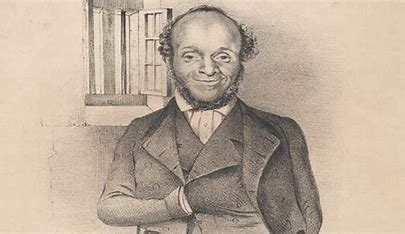
Among those arrested was the black leader of London Chartism William Cuffay. Cuffay was more militant than the national Chartist leadership. He had been unhappy that the plan to march on Parliament on 10th April 1848 from Kennington Common was abandoned. He was also certainly present at least some of the planning meetings for the 16th August.
Whether Cuffay aimed to lead the rising or prevent it remains, on the evidence we have, unclear.
David Goodway notes in his book London Chartism that there was a conspiratorial tradition in London radical politics of which Seven Dials was the last notable event.
The extract from the Chartist Northern Star needs to be understood in this context. 1848 was a year of revolutions across Europe and the British Government remained concerned that it could happen in London and elsewhere too (there was a similar rising at the same time in Ashton). It had passed repressive Treason and Security laws earlier in 1848 aimed at criminalising Irish radicals and to some extent Chartists.
The national Chartist leadership were clearly concerned that the Government might act to ban Chartism. The well known national Chartist leader Ernest Jones had already been arrested and imprisoned after a speech in East London in June 1848.
Northern Star 26th August 1848
THE « CONSPIRACY.”
Our town edition of last Saturday contained a report of the examination of the persons arrested in London on the preceding Wednesday. That report supplied to our country readers this week, is accompanied by notices of subsequent arrests and examinations. Two or three of the persons arrested, or said to be implicated, are known to have professed Chartist principles, and on this foundation the Press gang have been howling for a week past, over what they have called the ” Discovery of a Chartist Conspiracy.”
” Conspiracy ” there may have been, but not a Chartist conspiracy. The only known Chartist against whom that charge is brought is Cuffay. Now, taking the evidence against Cuffay for granted—which, in fact, considering the suspicious source it comes from , we are not inclined to do—it is rather too bad that one man’s folly should be made the pretext for invoking vengeance against the entire Chartist party.
The prosecuting counsel, Mr Clarkson, admitted a distinction between the veritable Chartists and the misguided men who, as he said, “took upon themselves the character of Chartists,” and ‘ affected to be Chartists”—a distinction which the Press would have imitated, had its conductors any regard for truth…


Leave a Reply