
How dynamic pricing was dealt with in the 1700s. A story of forestallers, regraters & the crowd
The application of dynamic pricing for the recent sale of Oasis tickets has to an investigation by the Competition and Markets Commission. In a market economy, the market rules. Labour has traditionally favoured a social market economy where intervention determined a fair price and prevented excess profit. This was laid aside during the New Labour period but the Starmer/Reeves Government has signalled a more interventionist approach
Before the early nineteenth century a different system often applied. The staple food of many was bread meaning that the price and quality of a loaf was an essential part of daily life. If quality dipped or the price went too high protest was the likely outcome.
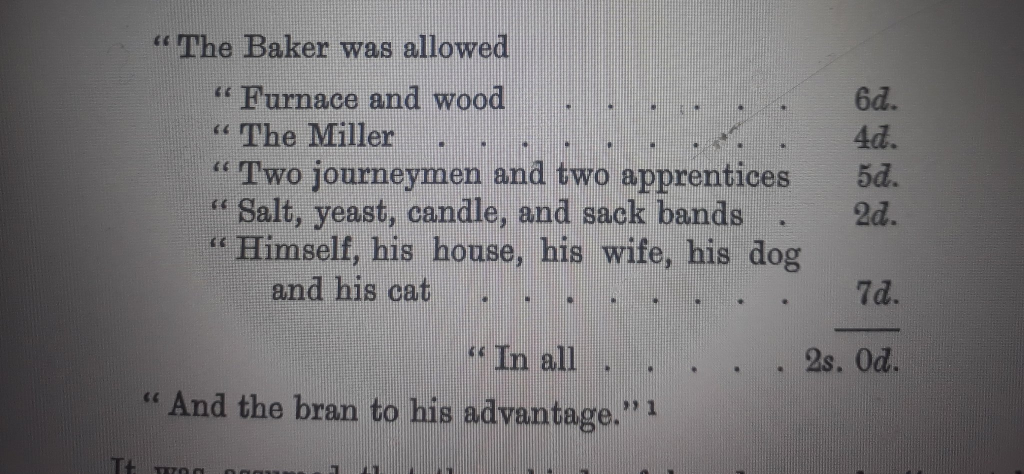
This was often regulated by an Assize of Bread which sat to determine what a fair price for bread of a certain quality should be and how much the miller and the baker should get in return for producing it. This was what the socialist historian E P Thompson termed a moral economy.
It could not control the price paid for wheat in the first place but it could control profiteering by the miller and the baker. They were allowed a fair profit to cover their business and personal expenses.
Needless to say far from all millers and bakers were happy with the system and attempted to circumvent it by reducing the quality of bread produced or combining to control the market. The moral economy was not a complete solution but it was a focus for popular pressure.
When the system broke down and supplies of grain for wheat were held back to push up the price- forestalling- or the price was artificially raised-regrating, the crowd might intervene to demand a more reasonable price. On occasion supplies of grain might be seized by the crowd


Leave a Reply