
The Times, which like many others on the UK right doesn’t know much about British traditions thinks that Christmas ended on January 1st and everyone should have been back to work on 2nd January. However it remains the case that Christmas has twelve days and concludes on 5/6th January.
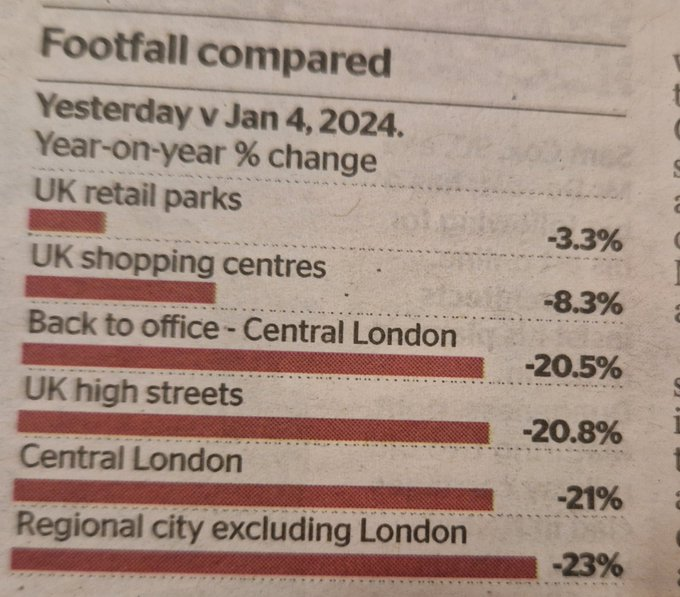
The Times (3rd January) has published statistics on how many were either working from home or just not working at all on the 2nd and 3rd January 2025. Tut tut…
For example Hutton in Stations of the Sun notes that in 1797 the Customs and Excise Office in London closed for six days between December 21st (St Thomas’s Day) and 6th January (Epiphany). By 1838 it opened on every day except 25th December. Hutton notes that between 1790 and 1840 ‘employers, led by the Government, carried out a ruthless pruning of the Christmas holidays..’ The 1833 Factory Act had decreed that, Sundays aside, the only days when a worker should not attend work were Christmas Day and Good Friday. The 1871 Bank Holiday Act added a few Mondays into the equation as well as St Stephens Day (Boxing Day)
However from the early 1840s, led by Charles Dickens, efforts to reclaim and promote Christmas as a popular festival of harmony and social peace, certainly for the middle classes were well underway. Hutton notes that in 1847 the Poor Law Commission allowed a Christmas dinner in all Workhouses. The modern Christmas was under development.
The point being that time taken off work at Christmas (or not) although dictated to an extent by the 12 days of the traditional calendar has also been about the promotion or denial of people to take time off work.


Leave a Reply