
Comers & Goers: The Victorian world of work in January and February
Despite a focus on casual labour, zero hours contracts and precarious work, far more people are in long-term employment now than was the case in Victorian Britain. Before the rise of mass production (the mills were an exception to the time frame, as was the coal industry) far more work was specifically seasonal.
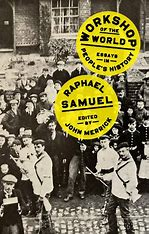
The uncertain nature of work characterises the current period not because it is the dominant one but because it is a trend that the neo-liberal labour market is keen to exploit. The end of the ‘job for life’ and the gig economy are matters very much in the mind of many employers. Raphael Samuel wrote a detailed study of Victorian seasonal labour, Comers and Goers, in H J Dyos’s the Victorian City (1973) and republished in a collection of Raph’s essays, Workshop of the World (ed John Merrick 2024). Looked at from almost 50 years distance Samuel focuses on male rather than female labour. Some work has been done to address that but a lot more research could be done were not a focus on work and the labour process rather unfashionable historically. Likewise there is a good deal of scope for more study of the work that was not seasonal- railways for example- and how this developed.
That said Samuel’s research provides both fascinating detail about Victorian labour practices and echoes of how the world of work still goes on 150 years later.
The cold winter months of January and February did provide employment for those able to do heavy manual labour. Gas works required a larger workforce than in the summer months and the building trade which proceeded regardless of season was always happy to employ those who might in the summer period be involved in agricultural labour.
Samuel noted however that ‘January and February were bad months for the working man and especially for the insecure and poor. Almost every trade experienced lull after the Christmas rush and unemployment became widespread as the weather grew more severe’.
Samuel went on to note that even so being in the town early in the year was preferable to the countryside even for the unemployed. Warmth and shelter could be obtained outside of the hated Workhouse and soup kitchens provided sustenance.
Samuel does however point out that the bad weather did bring some possibilities of work. There were frost fairs, now a thing of the past. When it snowed men would go from door to door offering to clear the snow for a fee. As austerity cuts into the ability of local authorities to fund snow clearance perhaps that will become a new winter trade.
That underlines if it needs underlining that in a market capitalist economy the only way to make sure that jobs are decently paid with appropriate terms and conditions is to get organised in trade unions. The Victorians learnt that lesson but it needs to be re-learnt in each period


Leave a Reply