
The one-dimensional politics of Starmerism in historical perspective
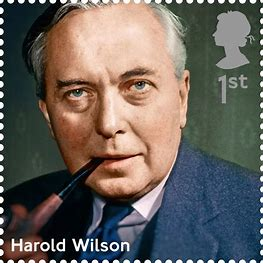
Andy Beckett (Guardian March 28th, link below) puzzles over how to relate the current Labour Government to those that have gone before. He notes that despite it being characterised as right-wing it is pursuing some left-wing measures, for example on net zero and workers’ rights. However the Wilson Governments of the 1960s legalised homosexuality and abortion, while Blair introduced the minimum wage. Just as Rachel Reeves is cutting benefits, so in 1976/7 Labour Chancellor Denis Healey pushed through cuts and austerity measures that prefigured Thatcher.
On that occasion there was opposition from the left, including Tony Benn at Cabinet level. In contrast Starmer has spent the last five years purging the Labour left, to the extent that there are now several hundred thousand ex-Labour members out there. It’s not so much that Starmer is right wing- he certainly is- but the fact that he has engineered a situation where opposition within the Labour Party is largely marginalised. Such one-dimensional politics rarely ends well.


Yes, I think I picked the right time to reread ‘The Crossman Diaries’ at least the condensed version. While the 1964 Labour Government came in with a tiny majority compared to what Starmer was granted, it is fascinating how many parallels there are with what is being faced now and these continue over into the 1966 version too. The one which stands out in the first period is how hemmed in the incoming government was by the financial situation the preceding 13 years of Conservative government had left them with.
While the issue of the exchange rate and balance of payments does not provoke the fear it raised back then, as with Starmer’s government in 1964 and again in 1966, we almost immediately see public expenditure cuts and concerns about impact on those most in need. Crossman portrays Wilson and especially Callaghan as effectively very in line with Conservative approaches. If you strip away the liberal civil rights reforms you can see economically and indeed in foreign policy, very centre-right policies.
While different, there were challenges for those governments which have similarities to today’s: the Six-Day War, challenges from the USA and the associated issue of Britain playing a greater or lesser role in the world, the fraught relationship with ‘Europe’ when Britain was outside the EEC, House of Lords reform, the question of limiting immigration and so on. History might not repeat itself, but there are certainly circumstances that are akin to those of the past, especially given the attitudes an incoming Labour government has to deal with which seem largely unchanged. Perceptions such as ‘undeserving’ people on benefits, ‘excessive’ immigration and lack of assimilation, the pressure against any tax rises, put as much pressure on this government as they did on the Labour government of 60 years ago.