
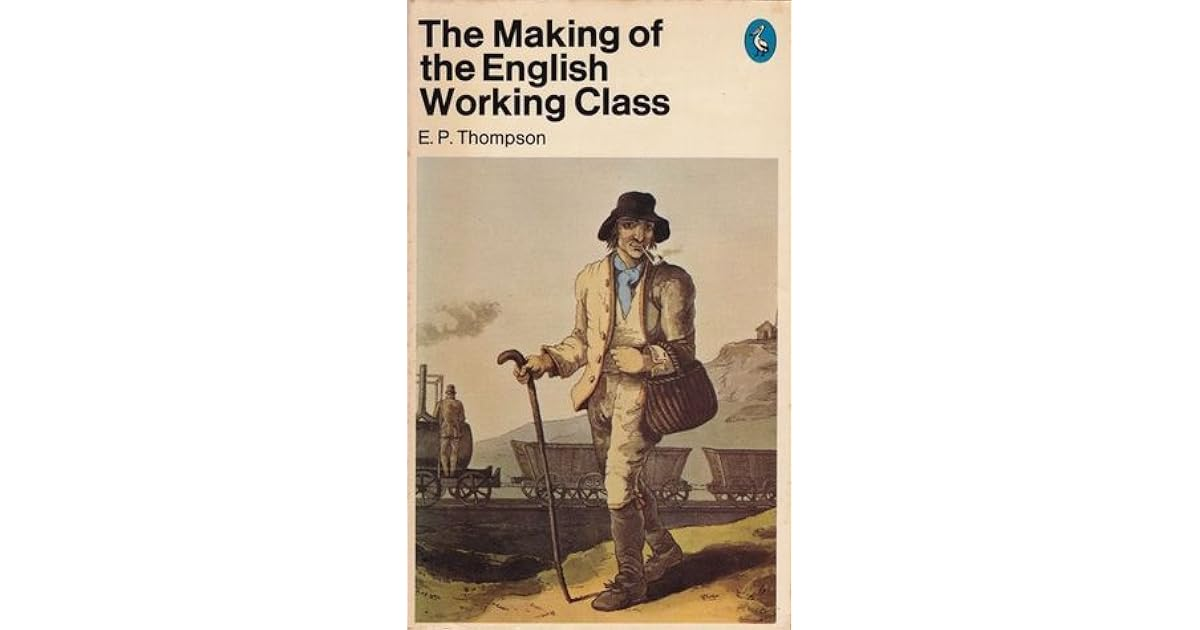
E P Thompson, the Making of the English Working Class & Civil Service Interns. Would Starmer have qualified?
Pat McFadden has determined that people eligible for the civil service internship scheme should come from ‘lower social economic backgrounds’ as determined by the occupation of their parents at age 14.
My socialist prejudice suggests that while the civil service is highly professional and competent (despite persistent attacks from the right, and scepticism from some of the left too) that it may contain too many PPE graduates. That however is a prejudice and statistics would be interesting.
Defining working class is problematic as even the Times (Editorial 2nd August) manages to grasp. As Marx noted social being determines consciousness and Keir Starmer the son of a toolmaker who became PM can testify.
Indeed whether Starmer would have qualified had he decided to enter the civil service under the McFadden criteria instead of law, is a bit doubtful. As Neil Kinnock pointed out to Starmer on a recent Institute of Historical Research podcast, where he comes from toolmakers were the (labour) aristocracy. Indeed they were, the most skilled and amongst the best paid of the wider working class.
We can take some guidance from E P Thompson’s Making of the English Working Class
In the preface he does define what working class is. He writes:
‘I do not see class as a structure nor even as a category but as something which in fact happens (and can be shown to have happened) in human relationships’
Indeed Thompson makes the point in the opening line of the Preface
‘The working class did not rise like the sun at an appointed time, it was present at its own making’
In other words the working class is not a thing or a category but it is defined by a relationship with and often a struggle against other classes, mainly the ruling class.
Thompson saw a relationship, a struggle, a movement. Something to be involved in, not comment on.
‘class is not this or that part of the machine, but the way the machine works once it is set in motion, not this or that interest, but the friction of interests-the movement itself, the heat, the thundering noise‘
Postscript to Paperback Edition, May 1968


Leave a Reply