
E P Thompson’s Time Work Discipline in the 24/7 age & plans to extend pub hours
EP Thompson’s essay on Time-Work Discipline was published in Past and Present 38/1 December 1967. It speaks to very modern concerns about working time, leisure time and work-life balance.
In particular the contexts of a 24/7 society, zero hours contracts and plans to extend pub opening hours.
Thompson looked at how time moved from being measured by the seasons and the length of daylight in the agricultural calendar to the clock governed world of the factory with its clocking off time.
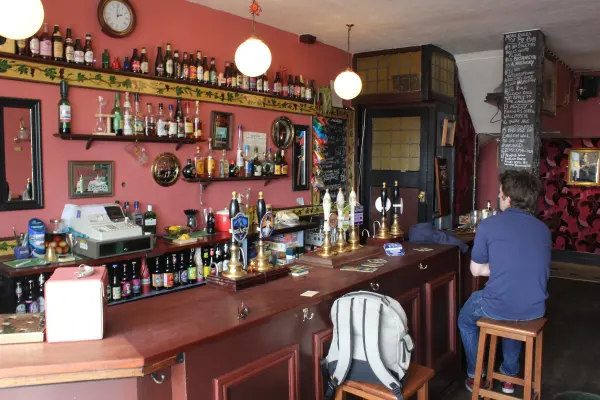
An interesting side-line is the role of the pub clock.
One book to follow up in some detail both Thompson’s ideas and his approach to time is Paul Glennie and Nigel Thrift’s 2009 volume Shaping the Day. In one chapter in the book they look at changing ideas about the measurement of time in Bristol- primarily because that City has maintained good records of municipal and commercial affairs over a lengthy period.
One place where those with little or no access to what the time was (many people before the C19th) could find out the time in most cases was the pub clock. Glennie and Thrift quoting Jonathan Barry estimate that early C18th Bristol had between 600 and 700 pubs that is one for every 56 inhabitants.
Not every pub had a clock but most did to allow them to enforce licensing hours and to give drinkers a way of checking how much drinking time they had and perhaps more particularly to be sure that licensing magistrates were aware that they were doing so.
Jonathan Barry suggests that in the eighteenth century official pub closing times tended to be related more closely to hours of daylight meaning 9pm in winter and 10pm in summer. Whether the clock or the fading of the light was more significant here is not clear.
For Thompson plebeian culture, pre-industrial working patterns, did not have a ‘predictive’ sense of time. That is people did not plan out their day or week, with so many hours work, so many hours leisure and so on. Rather time was seized as of the moment. If there was little or no work to do, then an extended amount of time might be spent in a pub for example.
The role of the pub clock not only provided order to drinking time and hours, it also reflected the change to a measured and disciplined pattern of working time.
Nowadays of course most people have watches or check the time on their mobiles but the ringing of last orders and of time in a pub is still one of the more distinctive ways that time is marked in any day.


Back in the day (essentially before the 2004 Licensing Act) pub clocks were regularly set ten minutes fast. This allowed the landlord to call time and have a bit of leeway before the official closing time came round.