
The Royal Family: 1848-2026. Protest, but survival, so far
The arrest of Andrew Windsor on his 66th Birthday on 19th February 2026 occasioned the appearance in my in-box at around 11am of a special edition of the Daily Telegraph. It describes the arrest as ‘seismic’. Indeed so while the specific issue is now subject to contempt of court proceedings the wider issue about whether the Royal Family can survive when the King’s brother is arrested is an important one.
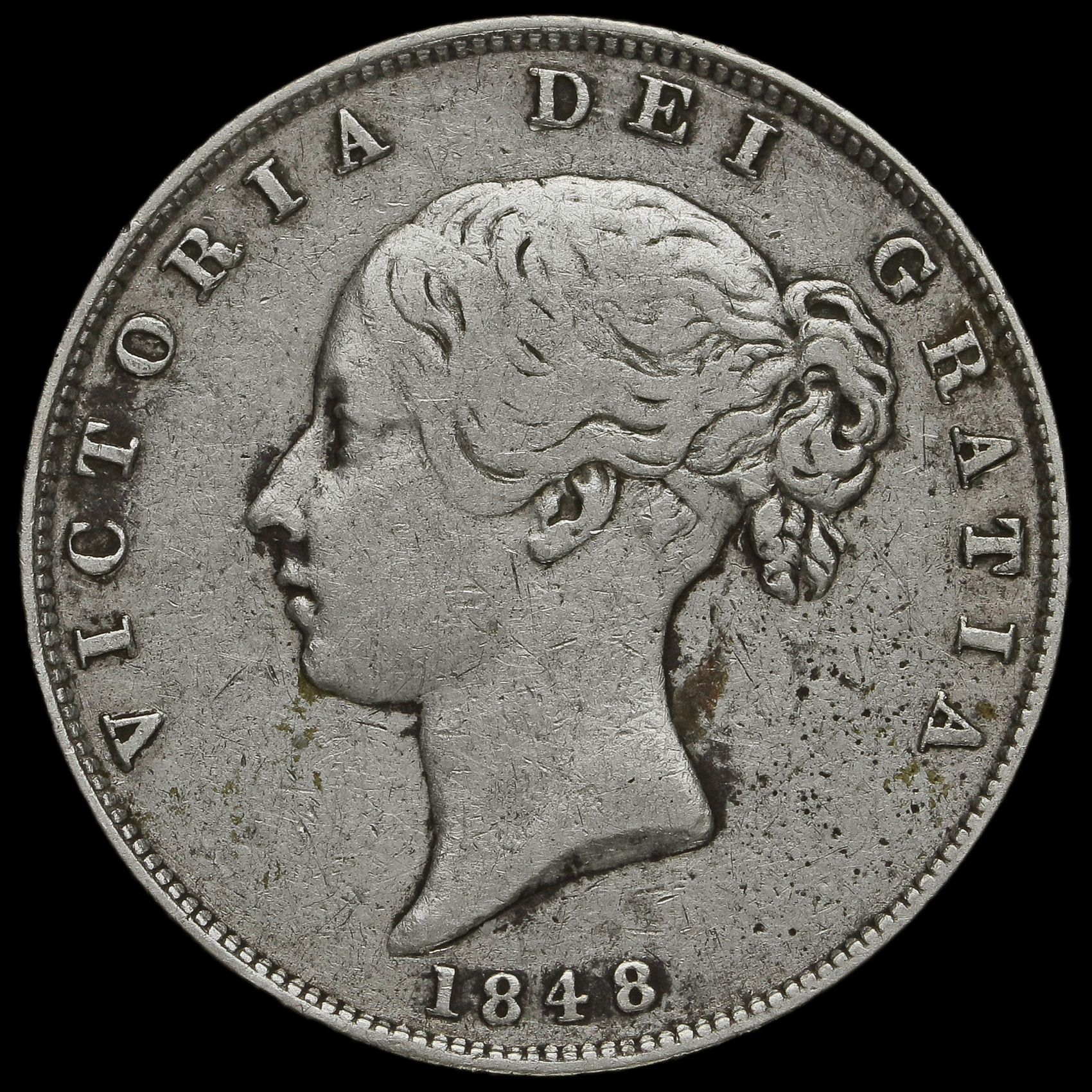
2026 is also the 178th anniversary of 1848 when monarchs feared for their crowns across Europe, even in Britain where on April 10th 1848 Queen Victoria retreated to the Isle of Wight as the Chartists marched for democracy in London
The left, being supporters of democracy and elections, have never been great enthusiasts for unelected rulers, particularly, as many have done historically, when they have claimed a ‘divine right’ to rule.
Yet in Britain republicanism, the idea that there should be an elected Head of State, has been a minority trend if one is to compare it for example to French Republicanism which had a revolution in 1789 to remove the King permanently.
It’s true of course that on 30th January 1649 King Charles 1st lost his head in Whitehall, and a Commonwealth was in place until 1660. At that date the monarchy was restored although the events of 1649 have a place in radical history and thought to this day.
Republicanism in Britain in addition has not always associated been with the left. One need only look at President Trump to understand why in the present moment this might be.
Rather the majority trend on the left has been to have a distaste for the patronage, privilege and forelock tugging that goes with Royalty, but to be clear that politically there are other priorities.
It is this anti-monarchism, identified by Antony Taylor, an academic who has provided perhaps the best modern template for the study of opposition to Royalty, that has been the dominant trend in British republicanism. The monarchy is not liked but it is specific instances of excess and extravagance that are the focus of protest.
Prince Harry is a child of the late Princess Diana whose life and particularly death, did much to highlight almost 30 years ago how out of touch with the modern world the Royal Family had become.
Blair tried to fashion Diana as the ‘People’s Princess’ but it is difficult to see any lasting impact of a campaign that made a considerable mark at the time.
A wider issue and one that was central nineteenth century are protests are Royal occasions.
These protests centred on what William Cobbett had called ‘Old Corruption’. That is a political culture of deference, patronage and forelock tugging where those who held ultimate power in society- Britain remains a constitutional monarchy not a Parliamentary democracy-do so by virtue of an accident birth rather than on merit or electoral choice.
Royal occasions in the second half of the nineteenth century, when Queen Victoria was on the throne, such as weddings and Jubilees, provoked significant protest.
There were a number of underlying motivations for such protests- not all progressive, there was an element of anti-German xenophobia- but a key one was the cost.
Expenditure on Royal pomp and ceremony was contrasted with the large numbers in society who lived in absolute poverty. The radical Reynolds’s Newspaper became the biggest selling Sunday paper of the time centrally based on virulently attacking the Royal Family and its aristocratic hangers on.
Expenditure on things like the Royal Yacht and the Royal train were particular targets outside of specific ceremonial occasions even at that time. The arrival of King Charles in 2022/3 has seen a continuing range of protests under the Not My King banner, questioning the validity of an inherited monarchy in 2026. The continuing and deepening issues around Andrew Windsor will surely reinforce the motivation to protest and perhaps at last to do something about the monarchy.


Lol. Do you mean prince (sic) Andrew in that last paragraph