
Labour & Employment Rights 1997-2025. The same old song
Labour’s Employment Bill is back in the Lords. In some cases it won’t be until the autumn of 2026 before some measures become law. There are welcome changes, things the Tories would never do. At the same time it has been described as more full of holes tnan Swiss cheese on things like zero hours contracts and day one employment rights.
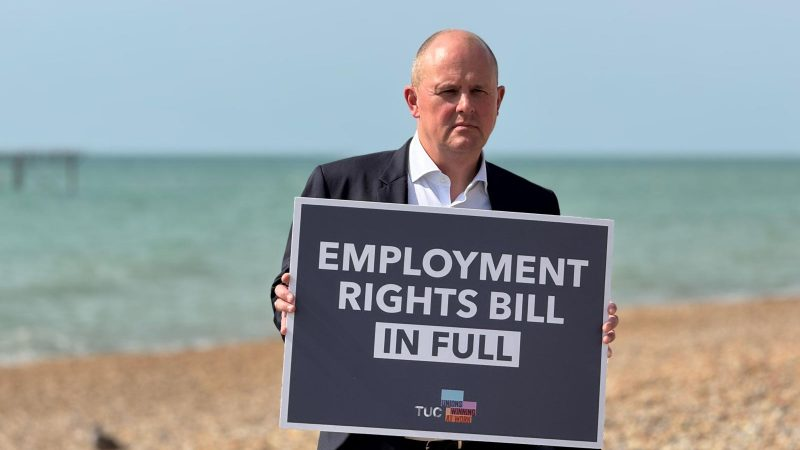
On Thursday 27th November after a period of saying that day one employment rights (currently two years thanks to the Tories) would be kept in the Bill it was suddenly announced that this would change to six months. Clearly there was a negotiation with the TUC involved (its unclear if this took place in 1997) and the scrapping of a probation period and the hope that the change would stop Tory and LibDem Peers from sabotaging the Bill and get key provisions on sick pay into law more quickly.
However the symbolism of the retreat cant be avoided. The Times has long been campaigning against the Bill and its front page headline on 28th November was ‘day one’ employment rights abandoned
We have been here before and some of the key players remain influential. The 1997 Labour Government headed by Blair promised to address the years of Tory anti-union laws by reinstating what it claimed would be a level playing field at work. The bigger issue was the introduction of a National Minimum Wage. This was opposed by many business interests on the basis that it could not be afforded, would not work and so on. However it was implemented and remains in force, albeit many would argue it should be higher even allowing for this week’s increase.
The second was a Parliamentary Act on Employment Relations. Its notable that this did not become law until July 1999. It was not seen as a priority and there was a fair bit of time spent listening to business about it. It did not repeal any Tory anti-union law(as the new Act will in part) but instead gave legal force to trade union recognition and representation. It was a step forward from the Thatcher years but a very modest one. Arguably the 2024/5 Bill goes somewhat further, again welcome while keeping in mind that the proof of the pudding is in the eating..
Cabinet Papers available at the National Archives give an indication to what went on in 1997.
In the autumn of 1997 there is a file note of what is described as a ‘long and fractious discussion’ between Tony Blair and John Prescott on Fairness at Work. Prescott said that changes had been bought as a package by the TUC and if changes were planned this would need to be agreed by the Cabinet. Blair responded that the changes were practical ones because of what he claimed were genuine problems in how they would work. Blair wanted to allow a right of appeal to the measure, eventually implemented, which would mean that if 50% of workers voted for union recognition it would be automatically given. Prescott again argued that he did not think what the TUC had put forward was up for negotiation.
Employment rights were not part of Prescott’s Ministerial brief and the matter does not appear again until we find a file note from Peter Mandelson on 9th March 1998. It says ‘Union Recognition. Moving in the direction of the CBI. Ideal response for the TUC to be grumpy but not refuse to co-operate’.
Both Blair and Mandelson are of course still around and still influential. They have form on union rights. The bigger picture after the abandonment of day one rights is that when Starmer says Labour is pro-business and pro-worker as after 1997 it’s the former who are really calling the shots here. Perhaps not just union HQs but union members facing a tough working environment will reflect on this…


Leave a Reply