
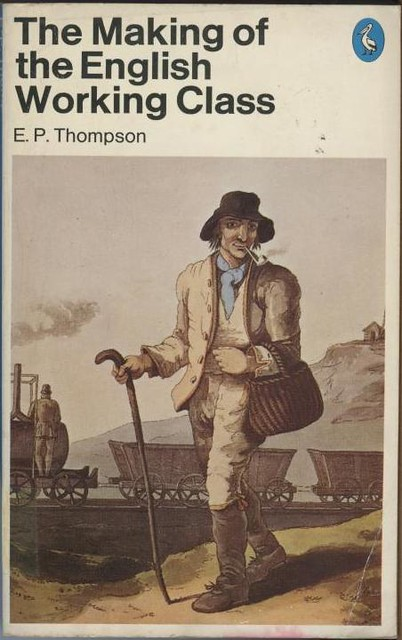
E P Thompson in the Making of the English Working Class notes the importance of beer to working class diets and what happened when the price rose to levels that could not be afforded- primarily tea drinking.
He noted ‘In 1830 the duty on strong beer was repealed and the Beer Act was passed- and within five years 35,000 Beer Shops sprang up.
Fast forward to 2026 and the Morning Advertiser (15th April) has published a survey of beer prices across the UK.
The cheapest pints are mostly in North-West England £2.50 in Bury to £3.50 in Blackpool.
On the expensive side is London £6.50 and Oxford £6.75.
I’ve been in London (where I’m meant to live) for the past few days and can report a pint of Kirkstall (cask) pale in Stoke Newington at £5.20 and a pint of Thornbridge Spring Ale at £6.10 in central London Both pints btw were in excellent condition, suggesting that there was plenty of custom for them.
Its a reminder that increases in the minimum and living wage also see wages rise generally (a rising tide floats all boats) and while the pub trade focuses on increased labour costs its as well to keep in mind that this also means increased ability to buy the beer they are selling
Whether beer is an essential part of the working class diet in 2026 as it was in 1830 is another matter, because while there is still plenty of heavy physical work around that brings the thirst for a pint or two, a desk or shop job may (or may not) be a different matter.


Leave a comment