
Andy Burnham & the history men. Austerity 1976-2026 The IMF returns
At the conference of the IMF and World Bank, the question of the forthcoming UK Budget has been raised. The IMF view is that rather than taxing banks, as has been mooted in the media, welfare spending should be cut. We have been here before…
In 1973 there was a military coup against a democratically elected left-wing Government in Chile.
It was a bloody and vicious affair (on the part of the army and its US backers)but is probably not the preferred instrument of the ruling order for regime change or perhaps more accurately regime changes.
Sometimes there are people who have to go or be moved to keep the ‘markets’ happy. It happened to Tony Benn in 1975 and it happened to Ed Miliband in 2026 when he didn’t get the job of Chancellor
But more often it’s about policy changes.
The Labour Party Conference in Blackpool at the end of 1976 was a decisive moment. So much so that Radio 4 broadcast a programme focused on it and the Financial Times pondered its impact 50 years on
What it meant for the UK in 1976 is largely but far from only a matter of historical record and memoirs now.
The 1974 oil crisis had caused serious problems for the UK economy and the Labour Government which was elected twice in that year on a platform well to the left of where Labour currently is (but still on the basis of managing the system and reforming it where possible) faced economic problems.
Towards the end of 1976 the Prime Minister Jim Callaghan claimed that the country had only £2 billion left and that measures from printing money to increased unemployment and cuts in benefits would be required unless action was taken.
Benn records in his Diaries that Michael Foot spoke in Cabinet against £2bn cuts in spending, increased unemployment and cuts in benefits on the basis that these were unsustainable and would split both the trade unions and the Labour Party.
However the choice remained between a left-wing strategy of no cuts and economic investment championed by Tony Benn and others and a loan from the IMF.
The choice does seem familiar.
Tony Benn argued that the situation was similar to 1931 when Labour split over austerity measures. Callaghan disagreed.
Benn’s alternative strategy which involved import controls, reduction in armed forces commitment in Cyprus and Germany and withdrawal from what was then the EEC was part of an alternative left strategy.
It might be queried how effective at least parts of it would have been.
Denis Healey’s policy of monetarism certainly was effective. Its main effect was to usher in the Thatcherite era of neo-liberal economics which New Labour in key parts (but not quite all) kept to.
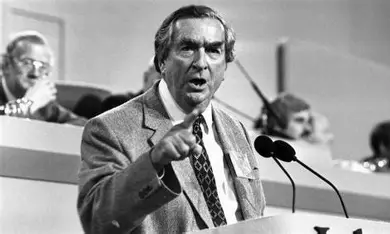
At the 1976 Labour Conference Norman Atkinson, Tottenham MP and Labour Treasurer, spoke against giving in to what today we would call the bond markets. Denis Healey who was on his way to a summit abroad turned back and spoke at the conference for the IMF loan and cuts. He won the vote.
The Labour left made their point but did not resign. It can be argued that to have done so would simply have given an earlier start to Thatcherism.
The real alternative of mobilising protest from below in workplaces and communities was not centrally addressed- although obviously there were anti-cuts protests and campaigns.
Even so the events of 1976 are a reminder of the origins of austerity politics and the opposition to them. The search for a successful strategy to counter them continues.
Not name calling but serious politics are required to beat those who would make ordinary people pay for their crisis.
50 years on, when the Burnham Government still faces the bond markets the questions of 50 years ago return. Is it to be public service coming before private profit when warmongers come knocking.
This post originally appeared in the Morning Star


Leave a Reply