This was touched on a socialist history seminar at the Institute of Historical Research on 28th September
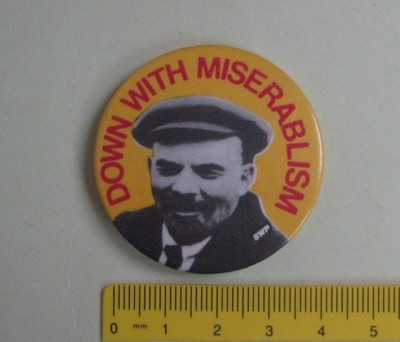
I’m not sure Lenin used the term ‘miserabilism’ but the meaning of being against defeatism he certainly did expand on
The badge comes from the 1970s and was produced by the SWP for specific reasons that might also inspire some historical research at this distance (I was there but while I recall the badge, and have one somewhere, I have no recall of its specific purpose).
Given that the (non-Leninist) theme of the 2026 Labour Conference is ‘hope’ the badge sends a message to the less than hopeful John Healey.
Raymond Williams in Keywords notes that ‘hope’ is what those that think as a matter of political ideology things can never better oppose.
In terms of what Labour is up to Gramsci’s pessimism of the spirit optimism of the will might fit better. In other words doing something won’t be easy but it can be done. From below in my view
Update
Gregor Gall who gave the seminar on the Redskins has posted their version of the badge in the comments. It focuses on the miserabilism of the Smiths and the Cure. So a message to Smiths fan Andy Burnham too
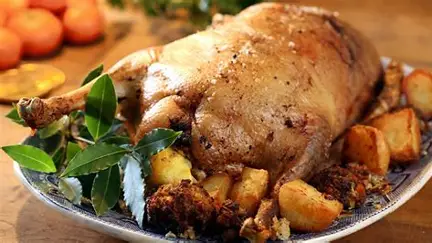
29th September in the traditional calendar is Michaelmas, so expect all those who go on about British history to be speaking out.
It’s a quarter day, that is when rent is due but its also a feast day. Goose is eaten and much beer is drunk.
It is also again according to tradition the last day on which blackberries can be picked
In Medieval times there was an attempt to hold it on the first Sunday of October (not a working day) but this failed not least because drinking beer in Church while paying homage to the Saints was frowned upon
Andy Twelves on social media picked this up, but the story is in The Times and elsewhere
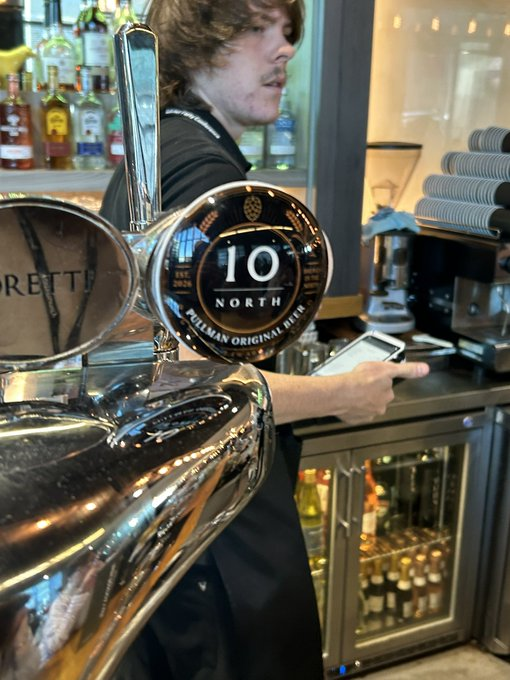
Labour Conference in Liverpool has a No.10 North lager on tap. There are numbers of decent indy brewers in the area so it might be assumed that this is a local Helles or Pilsner.
It isn’t. It’s rebadged Carlsberg 3.4% cooking lager. The strength was recently reduced (which makes Carlsberg money in reduced duty) but the price of course was not.
Disappointing given how much Andy Burnham touts pubs and beer. No doubt however the conference centre has contracts in place which exclude indy products. The answer of course is to leave the conference and have a drink in one of the many excellent indy pubs in Liverpool instead.
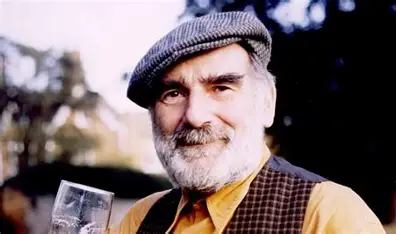
We recently marked the 105th anniversary of Joe Grundy’s birth. On Friday a new Grundy was born thanks to a lot of hard work from Amber and the NHS. It’s a boy and the BBC is already reporting that the name will be Joe
Driving Lessons and class struggle
After Borsetshire bus cut services making it difficult for Brad to get to Uni at the right time he decided he’d learn to drive. Jazzer stepped forward to give him lessons but is sceptical about how long Brad will need to get Driving Test ready.
In the most recent lesson Brad demolishes Helen’s gate which will apparently cost Brad £95 he doesn’t have. Tracey noting that Helen has got expensive tickets for the family for a half term even thinks she could have covered the cost of the gate herself.
Walkies
Lynda and Robert are looking to downsize from Ambridge Hall after ending their B&B business. However an alternative is to set up a dog field business to allow dogs to walk safely without issues taking place. Kate has undertaken to look for a suitable spot. What could possibly go wrong?
Anna after Carol
Anna has been pondering details of Csrol’s funeral. She is not religious and Carol had some pagan beliefs. Alan the Vicar has stepped in to help underlining the flexibility of the CofE’s religious offerings. This may not delight all Parishioners of course.
Children at the wedding
Pip and Stella originally planned to have a mostly child free wedding, now it appears that the attendance will be mainly children. The moral maze of Ambridge..
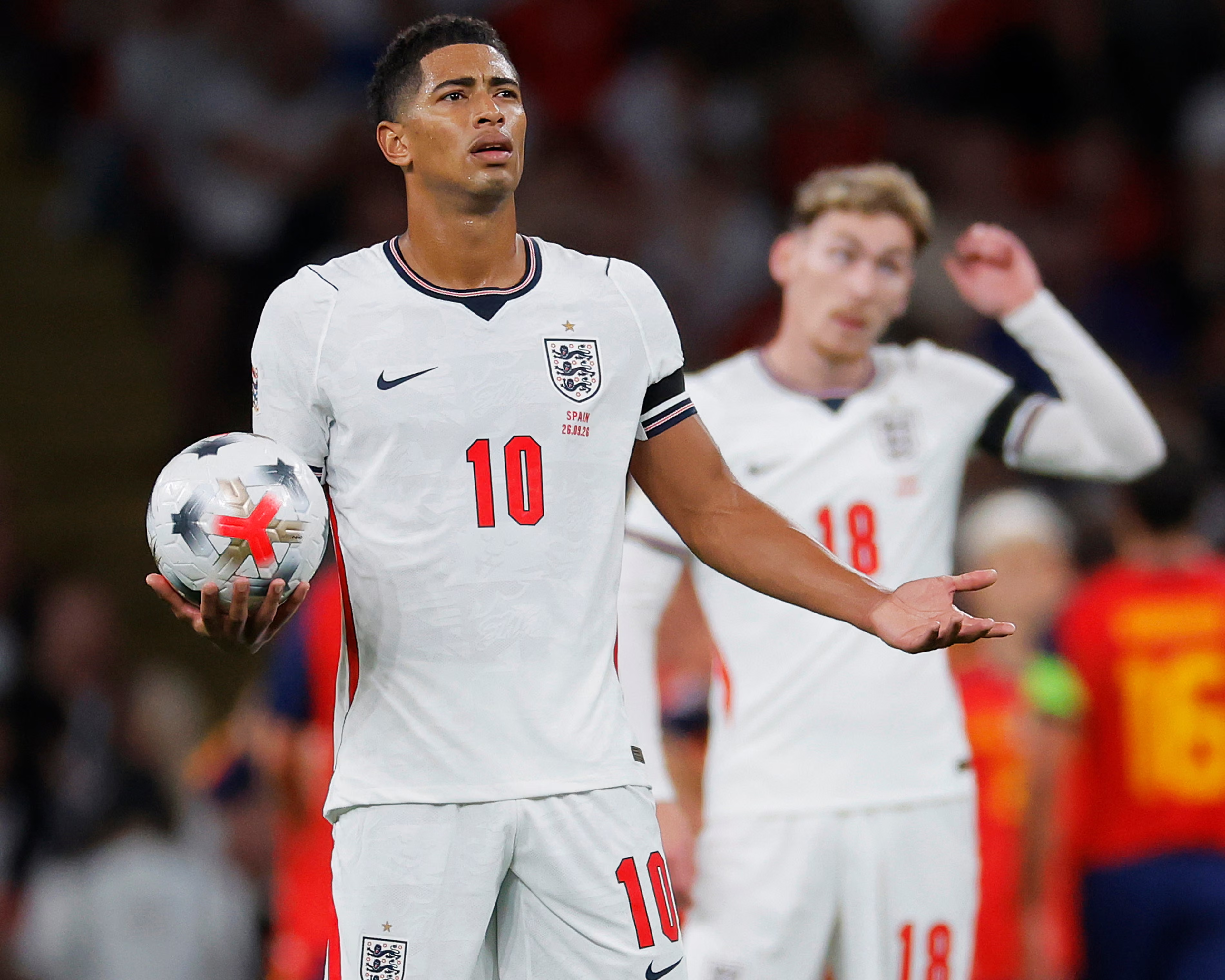
Beyond Anyone But England, Farage, Braverman & the England football team
In general on sporting occasions Ive been an Anyone But England person. That’s not because I deny great sporting achievements made by English women and men. On the contrary they can be celebrated, as can those of other teams.
However I am international socialist and my flag is not that of England or the other ‘Home Nations’(I’m a Scottish North Londoner who lives partly in Wales) but the red flag.
English sporting teams are mostly much better representations of the nation they represent than they once were and that is positive. Indeed the far right who mostly backed England have noticed.
Farage did not like the England football team taking the knee claiming that sport and politics should not mix. Well at least until he got his own Reform football team.
Braverman says she is not English but supports the England football team (Twitter 22nd Sept 2026) but they aren’t really a good representation of England. She has yet to notice that the England football manager is German. Farage probably knows but can hardly comment. His ex-wife is German
Neither I think are actually football fans. Farage’s intern tweets but his interest is in fishing and horse racing. Braverman, who knows…
David Olusoga wrote a piece in 2021 on the link between the England team and the better aspects of Englishness. I don’t think E P Thompson was a big football fan (it gets a couple of mentions in the Making of the English Class and David Kynaston’s new social history of 1965-66 finds him watching highlights of the 1966 World Cup final and supporting England) but he might agree. He however always saw it as a contradictory thing. His retort about why English socialists had not arguably produced the body of theory that their European counterparts had was because they had had ‘so bloody much to oppose’ meaning English and indeed British imperialism.
These are matters which socialists should be engaged in discussing and debating not just amongst themselves but in workplaces and pubs.
The far right don’t like the England football team that the England of 2026 has produced. A good reason to support them while keeping the imperial context firmly in mind
The Telegraph’s Allister Heath inhabits a planet far, far away from Earth. As Labour Conference starts there is dismay on the right that Andy Burnham has (probably) ruled out an early Election. Whatever the left may think about the current Government (check this blog for some pointers) its mere existence provokes the right to demand its end.
Heath has in mind a Tory/Reform Government (he has fallen out with Restore) which were it to happen would not be as right-wing as Heath wants but that’s for another day.
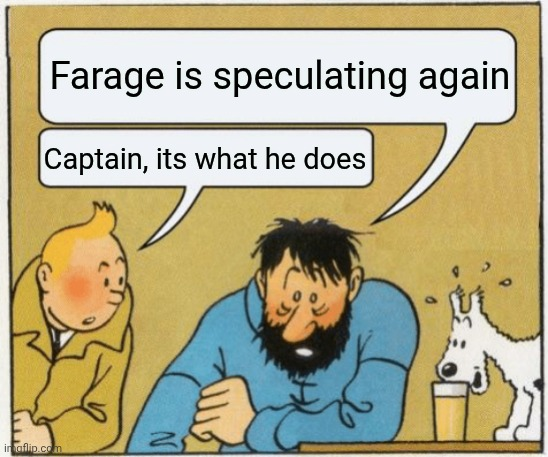
Farage is starting a General Election tour of the country determined that there will be an Election in 2027. If that doesn’t happen expect the next round of Farage Riots
Meanwhile Heath is disappointed to find that Andy Burnham is not Dave Spart anxious to press the self destruct button..
Had Burnham been a revolutionary Left-winger, somebody who fancied himself as a historic figure destined to remodel Britain in his image, he would have gone for broke, called an election and damned the consequences.