Articles

Campaigners praise Nick Robinson for keeping new beard & resisting BBC pogonophobia

In Uncategorized on September 18, 2017 by kmflett

Beard Liberation Front
Media Release 18th September
Contact Keith Flett 07803 167266

Campaigners praise Nick Robinson for keeping new beard & resisting BBC Pogonophobia


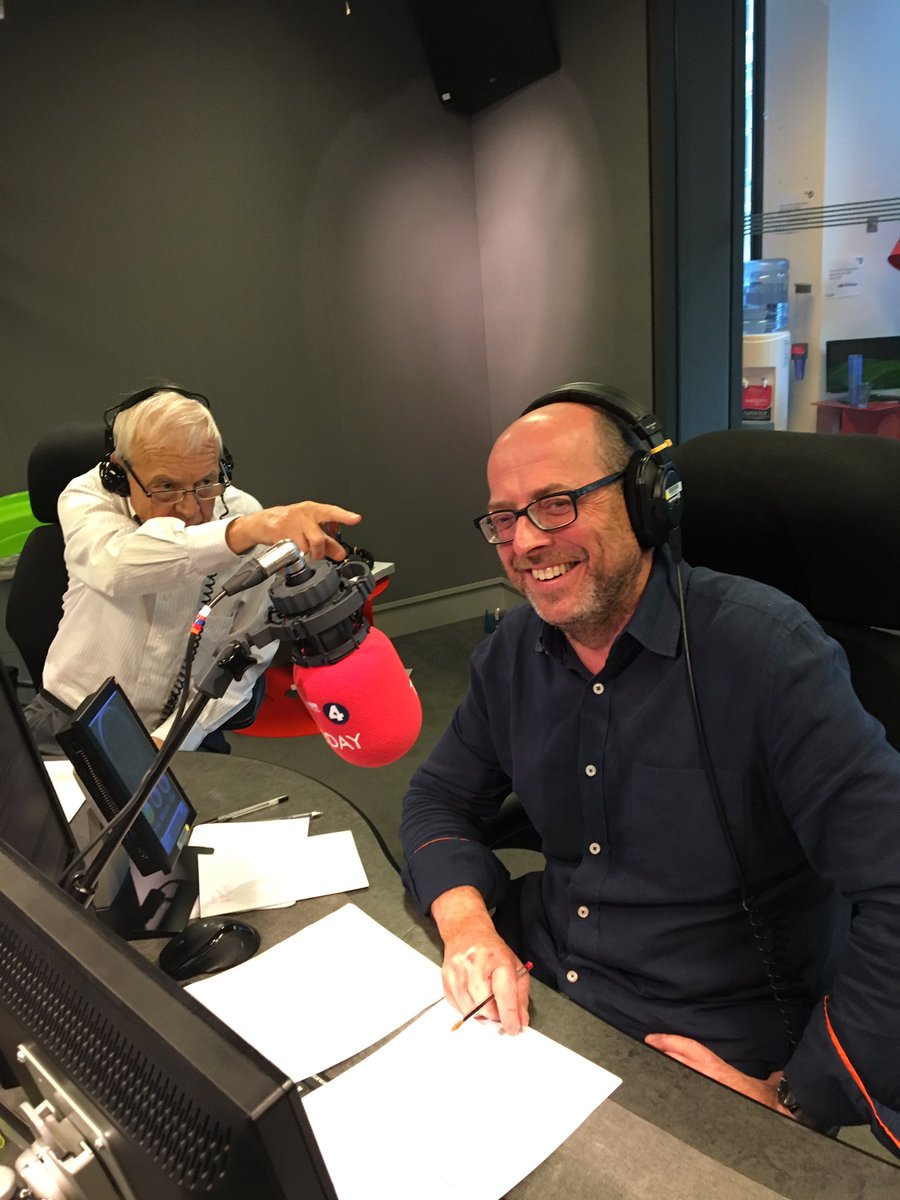
The Beard Liberation Front, the informal network of beard wearers, has praised BBC Radio 4 Today presenter Nick Robinson for not giving in to BBC pogonophobia and keeping the beard he first sported on the programme on August 22nd.

The campaigners say that Robinson’s salt and pepper beard adds gravitas to his broadcasting.

His beard is obviously not visible on the radio but Robinson last week posted a short video on his twitter timeline showing the beard in full flow.

BLF Organiser Keith Flett said, it may be that Nick Robinson will succeed where Jeremy Paxman and Jeremy Vine failed and keep the beard. His next step is to change his twitter avatar to reflect his hirsute appearance.

Articles

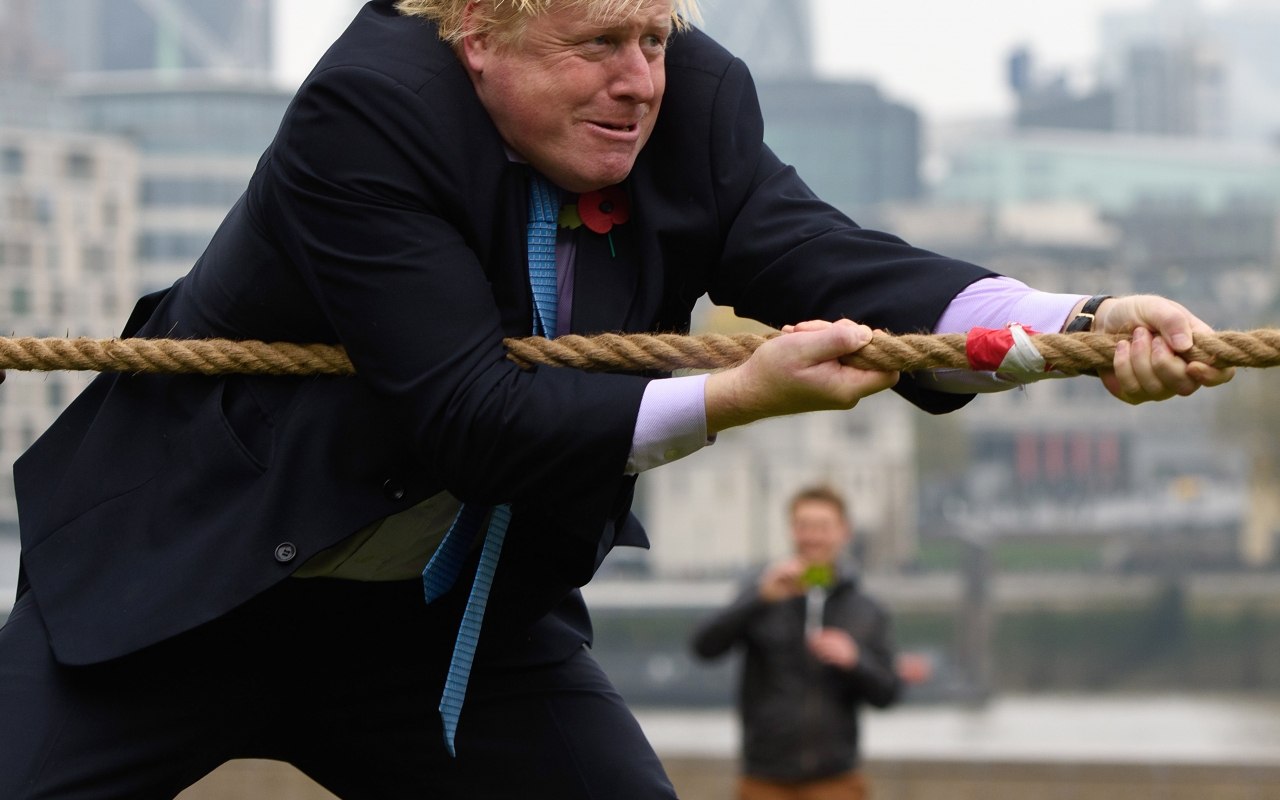
The moral economy of Boris Johnson

In Uncategorized on September 17, 2017 by kmflett

The moral economy of Boris Johnson

In a pre-2015 Election interview with the London Evening Standard on the probably appropriate day of April 1st, Boris Johnson, then London Mayor and Tory candidate for Uxbridge (subsequently MP), spoke of his view of a ‘moral capitalism’.

It could be seen, perhaps, as the equivalent of David Cameron’s modern Conservatism, heralded before 2010 but little seen since and certainly not in the Theresa May era.

Academically speaking, as he often reminds us, Boris Johnson is an ancient scholar so it is doubtful if he is aware of the moral economy that was central to the way Britain was run until the rise of industrial capitalism. It was then replaced by the political economy of Adam Smith, essentially capitalism with most of the moral bits left out.

The pre-eminent historian of the moral economy is the late EP Thompson. He argued that it represented a contract between an eighteenth century agricultural and industrial workforce and at least some elements of local ruling classes.

It meant that, for example, the prices and quality of staples like wheat, bread, and beer could, if need be, be legally enforced or at any rate influenced by crowd protests that were seen on all sides as legitimate (except by the forestallers who sought to make profit out of unfair prices).

The moral economy here is a conservative traditional culture, sometimes enforced by radical means including on occasion, riot. It involved a recognition not that society was equal or should be so but that the poor were entitled at least to a basic standard of living.
Johnson’s interview with the Standard had some of this understanding.

He argued that wealth creation by capitalists, whatever their intention, is the thing that helps to fund public services. He also said of those self-same capitalists that since they were making good profits they could afford to pay the London Living Wage and not expect the wages of their employees to be topped up by the taxpayer.

Johnson argued that there is a ‘moral purpose to wealth creation’. Adam Smith might have grudgingly conceded the point, the eighteenth-century crowd (who Johnson would probably call the mob) would certainly have agreed.

Is there anything in Johnson’s period as London Mayor that made it appear that his moral economy for the twenty-first century was something that he would be likely to actually implement if, for example, he were ever to become a Tory Prime Minister?

Despite his claim that London is now a less unequal City there seems little evidence for it. His support for the London Living Wage was not for example matched by any actual action to get more employers to pay it.

And then came the £350million NHS Brexit lie. An attempt if there ever was one to pervert the idea of a moral economy in favour of a market politics.

Articles

LibDem Conference: is the party facing a Brexit from facial hair?

In Uncategorized on September 17, 2017 by kmflett

Beard Liberation Front
PRESS RELEASE 16th September
Contact Keith Flett 07803 167266

LibDem Conference: is the party facing a Brexit from facial hair?

The Beard Liberation Front, the informal network of beard wearers, has said that beard levels at the Liberal Democrat Conference in Bournemouth this weekend reflect a crisis in the traditional party of beard wearers.

Former LibDem MP Julian Huppert was voted Parliamentary Beard of the Year in December 2013 but it seems his excellent example continues is having a limited impact in the wider party despite his appearance at the rostrum on Sunday morning.

The LibDems, once renowned for their number of hirsute activists, have been on an apparent long march towards clean shaven ‘respectability’ for some years.

BLF Organiser Keith Flett said The Liberal beard is one of the great British political traditions and we do hope that the LibDems are not planning to Brexit facial hair.

Note: A History of LibDem Hirsuteness

Gladstone set the trend for Liberal hirsuteness from the 1860s. He did not have a beard but substantial side whiskers.

The last fully bearded Prime Minister was not a Liberal but a Tory, Lord Salisbury at the end of the nineteenth century.

Possibly the best known Liberal leader David Lloyd George had a moustache.

After 1945 the Liberals saw a succession of clean shaven leaders.

In the 1960s the Young Liberals helped to encourage and renew the association of beards with the Party.

The merger with the Social Democrats, often clean shaven ex-Labour politicians, started a decline in Liberal hirsuteness that has continued to the present day

Articles

The Ambridge Socialist: Hands Off Hilda the cat!

In Uncategorized on September 17, 2017 by kmflett

The Ambridge Socialist
65 Years of the class struggle in Borsetshire
September 17th

Hands off Hilda Ogden

Peggy’s cat Hilda has been framed for the murder of a number of small creatures in Ambridge simply because Robert Snell spotted it with a mouse in its mouth. A cat, catching a mouse? Shocking. If only to Snell. An Ambridge Socialist poll has acquitted Hilda of involvement in the murders and suggested the person most likely was of course David Archer..

Hilda was taken by Adam to see Alastair the vet who decreed that in order to stop her alleged murderous activities she should be fitted with a collar and bell. How long will that last…

Tony & Peggy go to the supermarket but which?

Tony & Peggy have been to the supermarket and enjoyed the self check-out but which supermarket was it? Waitrose or Lidl…

Roy has lost his trousers
This scene, with Lexi, involving wet trousers, is up there with the Sid and Jolene shower episode

In other news
The Flower and Produce Show beckons… As does fear and loathing in Ambridge

Articles

The Good Beer Guide on the threat of Big Beer

In Uncategorized on September 16, 2017 by kmflett

The Good Beer Guide on the threat of Big Beer

The 45th edition of CAMRA’s Good Beer Guide, published this week, received a good deal of media coverage, and rather less, as far as I can see from beer bloggers.

I remain of the view that the GBG (now with a working and useful App as well) is an impressive effort. Any modern beer drinker could spot some issues, perhaps most particularly how the Guide deals, or mostly does not deal, with keykeg beer.

The Editor Roger Protz who is stepping down after many years seems alive to such issues but he has to act within the confines of existing CAMRA policy.

Unfortunately what much media commentary has not focused on is the important message that Protz sends in the GBG about the threat of Big Beer to cask and craft beer alike. The slightly edited press release is below.

Protz’s point seems to be that we are at a point similar to that in the 1960s when a few multinational brewing concerns were able to change the face of UK beer and not for the better.

As he notes its not just the question of buying up brewers, or promoting ‘craft’ brands as if they were genuinely independent. There is also the question of Big Beer buying up the raw materials that go to make your pint, half pint or third in the first place.

It means, as Ive noted elsewhere that we need not just drinking but thinking too when it comes to the perpetual struggle to keep and develop good beer.

————————————————————————————————————————————————-

Press Release
Big Beer is the biggest threat to consumer choice

…The latest Guide warns that consumers are being deliberately misled with many drinkers unaware that familiar brand names on pump clips are now owned by what Americans call Big Beer and may no longer be made to original recipes.

AB Inbev, along with other Big Beer global brewers, are strategically targeting the independent brewing sector following the steady decline of mass market lager brands. The scene was set last year when the third largest corporate takeover in history saw AB InBev buy its rival SAB Miller for £71 billion, effectively taking control of 30 percent of the world’s beer production and sales.

That same year the giant bought the Camden Town Brewery for £80 million and unveiled a brand-new plant for Camden in Enfield, with greatly increased capacity. AB InBev’s aim is simple – to turn Camden Town into the biggest brewery in London.

Big Beer is not only trying to dominate the independent brewing sector, but is also fooling consumers into thinking they are still drinking “independent” or “craft” beer. Thanks to clever marketing tactics and few labelling restrictions, global brewers are still able to market these beers as locally produced even when they are no longer made by the original brewer.

Roger Protz, Editor of the Good Beer Guide says: “While many consumers will not be aware that their favourite local beer has changed from looking at the bottle, the taste will invariably differ. Brewing changes under new ownership – whether this is due to long-term contracts with suppliers leading to grain or hop substitutions or because production methods are changed to maximise profits at the expense of taste.”

The Society of Independent Brewers (SIBA) has recently set up an accreditation scheme to help inform consumers about what they are drinking. Mike Benner, SIBA Chief Executive says: “The global brewers are seeking to capitalise on the growing consumer interest for flavoursome, independent craft beer, by buying out previously independent breweries or launching their own beers marketed as ‘craft’. However it is vitally important that beer drinkers are not misled, and are able to easily differentiate between beers produced by the Global brewers and those that are crafted by truly independent British breweries, in order to choose how and where they spend their money. SIBA’s ‘Assured Independent British Craft Brewer’ campaign was launched to do exactly this, with a specially designed logo for bottles, cans or pump clips making it crystal clear the beer was brewed by a genuine British independent craft brewery.”

The Good Beer Guide warns that Big Beer is squeezing small and medium-sized brewers from the market. Not only can they sell beer at cut-throat prices thanks to low production costs and have access to eye-watering advertising and marketing budgets, but they are also attempting to monopolise the supply of raw materials to make beer.

Global brewers can afford to buy up global malt and hops supplies at 40 per cent lower cost than even big and medium-size brewers, and have recently been condemned for seeking patents on materials such as barley and hops. Despite the fact that beer and brewing have been in the public domain for thousands of years during which time raw materials have been freely available to all brewers, Carlsberg and Heineken were recently granted patents that cover two varieties of barley, along with a third patent that will allow the two varieties to be used together.

Roger Protz adds: “First Big Beer buys up a swathe of independent breweries. Now it’s attempting to control the natural ingredients used to make beer. The power of these global behemoths is frightening and has to be vigorously resisted.

He concludes: “CAMRA was first founded to challenge the handful of national brewers that had phased out good cask beer in order to promote fizzy keg beer, the quality of which would be laughed to scorn today.

“I believe we are seeing a real threat to a return to those days – on a global scale. Big Beer is on the march, and we risk losing our wealth of choice to merely the illusion of it. Not only are consumers being misled, but these global brewers are changing the very character of the beers they buy and driving genuine independents out of business….

Articles

Campaigners call on Boris Johnson to apologise for pogonophobic remark about Jeremy Corbyn

In Uncategorized on September 16, 2017 by kmflett

Beard Liberation Front
Media Release

16th September

Contact Keith Flett 07803 167266

Campaigners call on Boris Johnson to apologise for pogonophobic remark about Jeremy Corbyn

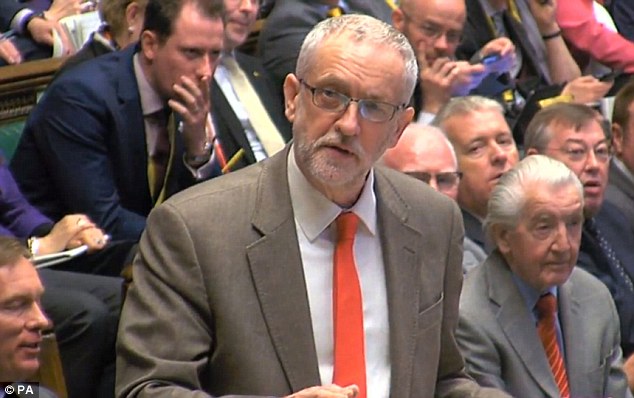
The Beard Liberation Front, the informal network of beard wearers, has called on Boris Johnson to make a public apology for a pogonophobic remark about Jeremy Corbyn that appears in an article he has written for Saturday’s Daily Telegraph.

In the article Johnson says of Corbyn:

(For a man of such unbending Lefty principle, he seems to have a remarkable beardy ability to speak out both sides of his mouth.)

BLF Organiser Keith Flett said, the remark is unacceptable and Mr Johnson should apologise. To criticise someone as ‘beardy’ in 2017 is seriously misguided.


Articles

Michael Rosen & History Workshop in the 1960s

In Uncategorized on September 16, 2017 by kmflett

Michael Rosen and History Workshop

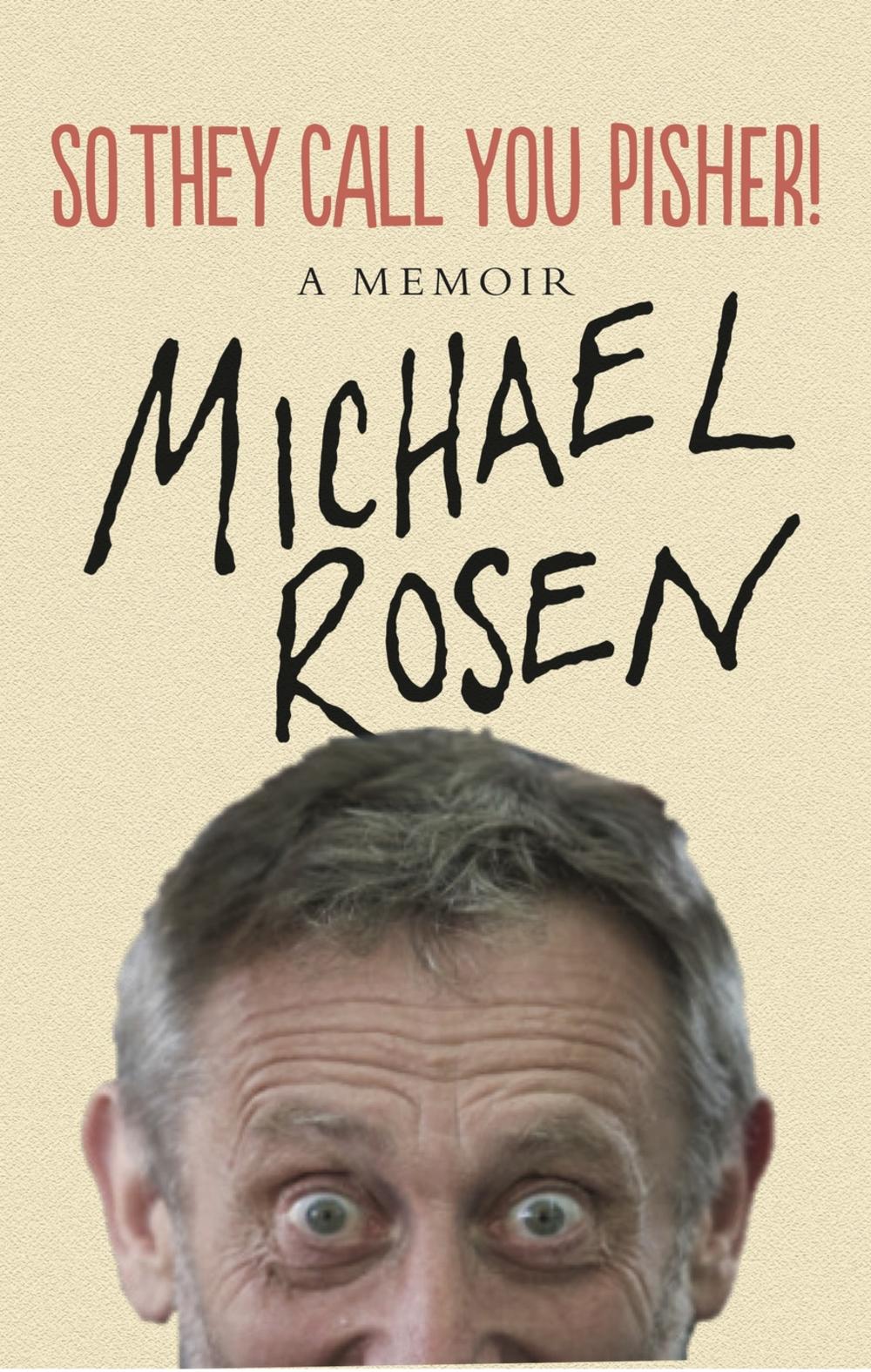
Michael Rosen is known as a poet, author, broadcaster and of course socialist activist. He also has a beard and supports Arsenal.

His new memoir, They Call Me Pisher, is out from Verso and is of course fascinating reading. At the London launch Rosen noted that much material had been edited out before publication and it would indeed be interesting to see the author’s cut of the book as it were.

One thing that Rosen is perhaps not particularly associated with is socialist history. However the book contains a fascinating vignette of the early period of History Workshop in Oxford, where Rosen was at college.

Rosen was clearly far from happy with the stultified air and archaic content of some of the lectures he attended at Oxford but found History Workshop to be an exciting new development in the months before the May events in Paris in 1968.

Rosen notes that some people,though not himself, felt senior figures broadly associated with the movement such as E P Thompson, Christopher Hill and Eric Hobsbawm were ‘infected’ by Stalinism but that Raphael Samuel, who ran the Workshop at Ruskin, had a base of working-class, trade union focused, students who were doing interesting research.

He suggests ‘this was a new history that drew on some of the work that sat on our shelves at home, in the fading red covers of the Left Book Club’.

One might argue that it was and it wasn’t. While people like Thompson and Hill drew their politics from that time, and the Popular Front politics of the mid-1930s Communist Party, they too were part of the upheavals of the late 1960s. Hill’s The World Turned Upside Down or Thompson’s work on the moral economy and riots were not the kind of thing that the Left Book Club would have been likely to have approved of.

Rosen writes of his participation in History Workshop events but connects their wide-ranging nature to the mood of the times. He argues that at the LSE occupation the whole college had become like a ‘permanent’ History Workshop with questioning of the traditional content of the courses.

Then came May 1968.

A version of this post will appear in the autumn issue of the London Socialist Historians newsletter

Articles

Campaigners say Australia is centre of ‘fake science’ about beards

In Uncategorized on September 15, 2017 by kmflett

Beard Liberation Front
15th September

contact Keith Flett 07803 167266

Campaigners say Australia is centre of ‘fake science’ about beards

The Beard Liberation Front, the informal network of beard wearers, has said that the latest beard study from Australian scientists which purports to show that women find men with beards more attractive has no more credibility than the 2014 research from a different Australian University that claimed the world had reached ‘peak beard’.

In the latest study scientists showed women pictures of men with beards, in some cases the facial hair was in far from the best condition reportedly, but discovered that no matter what women preferred men with beards because they appeared more masculine.

The campaigners say that such research has no real credibility and that people like or dislike people for all kinds of reason of which appearance will often only be a small part.

BLF organiser Keith Flett said, where to start? The scientists don’t seem to have realised, for example, that a man with a beard might like another man with a beard because they are gay. They also vastly over emphasise the importance of appearance. When I shave my beard for charity hardly anyone seems to notice, except often more money is raised by people demanding I grow it back at once.

Link to story
http://www.mirror.co.uk/thedavedesk/scientific-consensus-finally-agreed-goodness-11169784

Articles

Capital Volume 1. Published 14th Sept 1867(in German) Errors Marx noted on publication

In Uncategorized on September 15, 2017 by kmflett

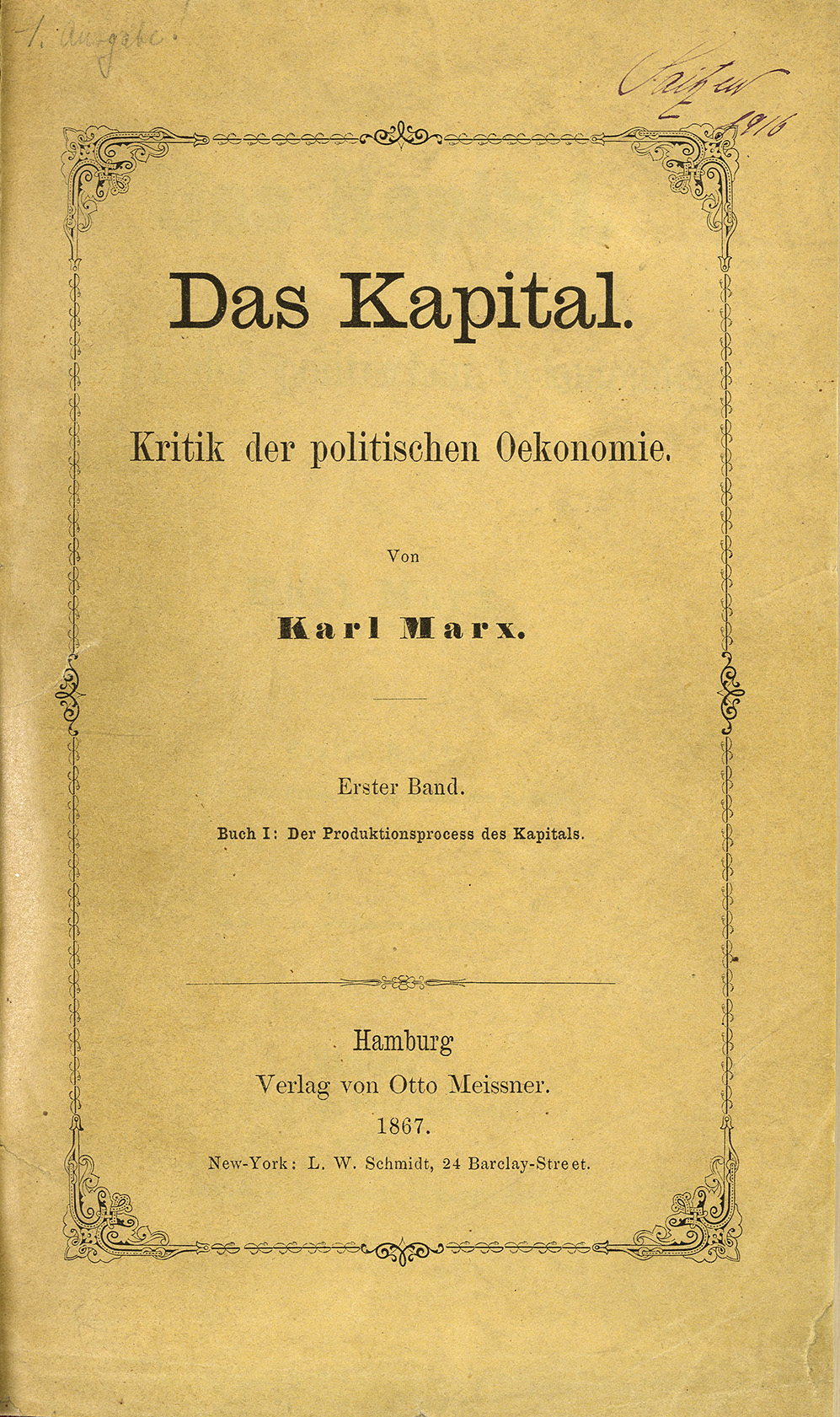
Capital Volume 1 was published 159 years ago (in German) on 14th September 1867. Even as it was published Marx spotted errors, as he noted in this letter to Engels

Marx to Engels 4th October 1867

I shall start with the book [Capital], so that I do not forget it. You would have spent long indeed searching in Table C for the decrease in the cultivation of green crops (p. 695). Mr Wigand has printed C instead of B (p. 690), which tells us, under the heading ‘Green Crops’, that from 1861-65 107,984 acres were put out of cultivation. Indeed you will observe from the schedule of misprints on p. 784 that Mr Wigand has wilfully abbreviated it from p. 292 onwards in order to accommodate it on the last page. The section concerning Ireland was certainly written very hastily, but for a second edition it could be put in order with but a few formal alterations. The most important thing is the facts, which are not known even in England.


Articles

The price & quality of beer: would the Assize of Ale work in 2017?

In Uncategorized on September 15, 2017 by kmflett

The Price of Beer: Would the Assize of Ale work in 2017?

I’m in the process of writing more on the moral economy of beer around, price, profit and quality.

This will appear in due course on the Culture Matters site.

However there are wider questions that I won’t touch on in that piece.

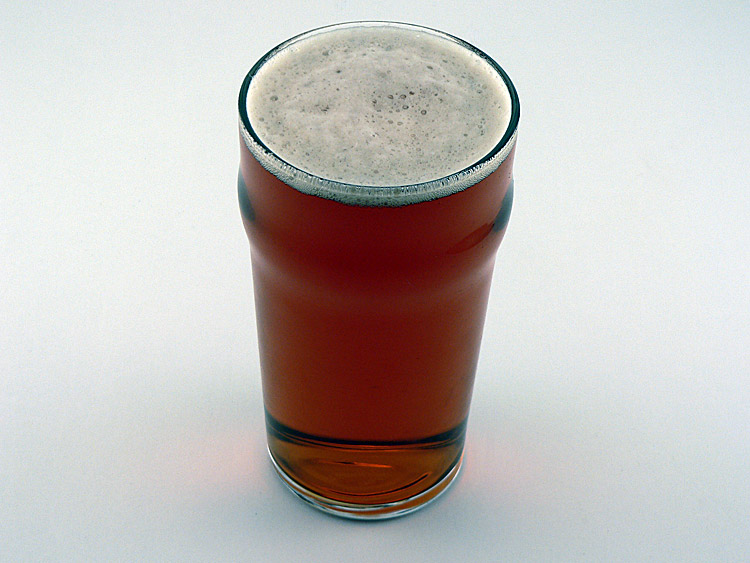
One is whether the Assize of Ale, a way of controlling the price and quality of ale in Medieval times would work now.

I briefly touched on the matter earlier in the year here:

In summary the Assize performed several functions which are separate in modern Britain. It acted in effect as a way of licensing brewers and of licensing pubs. It also exercised quality and price controls on beer and imposed penalties for transgressions which might broadly be seen as akin to modern day duty.

The key features which it seems to me remain attractive about the principle of the Assize are twofold.

Firstly it had some sense of a ‘moral economy’ That is that there was a fair price for beer, that the beer should be of decent quality (and could vary in price depending on how good it was- and how much it cost to make). That there was also an expected rate of return for the brewer. Not necessarily a ‘profit’ but a return sufficient to allow the brewer or much more likely at the time, Brewster, to live decently.

Secondly that it was broadly democratic. The judges who sat in the Assize were not elected and the ale tasters who checked the beer were volunteers, but there was a sense that they acted in the interests of the community and not the wealthy in society. Of course this was only the principle, often not observed.

Hopefully the general attraction of a modern Assize of Ale can be seen but of course there are problems.

Firstly one of the best ways of controlling the price of beer is to adjust duty up, or preferably down. If the latter this not only reduces the tax take which (one hopes) is used to fund public services but understandably raises issues with health campaigners and leads to debates about minimum pricing.

Secondly an interventionist Government model on price and quality while it may seem attractive might well be bureaucratic, possibly maddingly so. There would need to be a strong element of local rather than central control, but that too is not without issues for anyone who knows how few people have time or interest to devote to such matters.

Thirdly no Assize of Ale is going to be able to control the likes of ABInBev or Carling which operate not locally but globally. They dominate the market. However their very domination is surely the very best reason for looking in detail about how the implementation of a modern moral economy of beer might work.