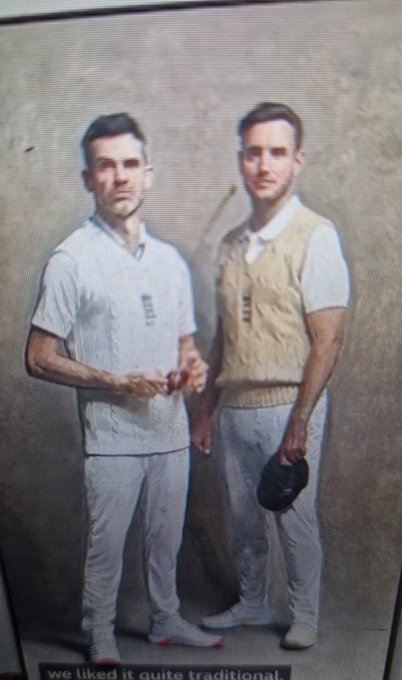
A portrait of England bowlers Jimmy Anderson and Stuart Broad by Jamie Routley was unveiled at Lords on 26th August ahead of the Second Test against Pakistan.
Its a reminder, if one should be needed, that Beard Power is an important part of success on the cricketing field
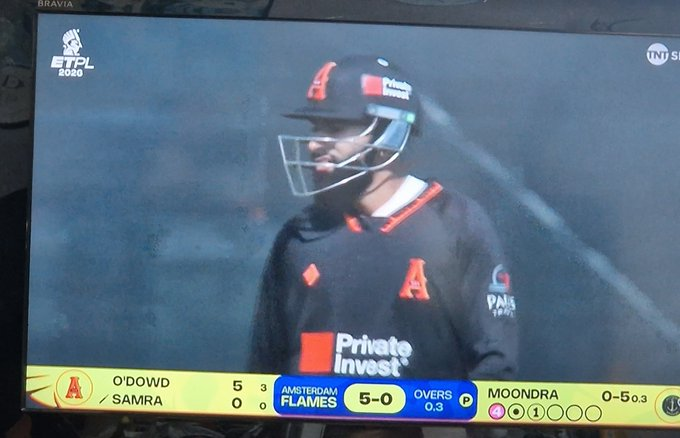
After several years of discussion a European T20 cricket league has begun. Matches will be played in Amsterdam and Dublin initially with the league running until 20th September.
The financial backers may well include those who missed out on a Hundred franchise.
Three countries are involved. Ireland, Holland and Scotland, with the usual selection of well known white ball players.
Space in the cricket calendar is getting ever tighter. The Caribbean Premier League is currently in progress, also featuring star players while the England and Wales cricket season still has a month to run
If it persists it may well encourage interest in cricket in the three countries but also underlines the increasing dominance of short form franchise cricket
All that said glancing at the first match there is a lot less hyperbole that has to be suffered than with The Hundred
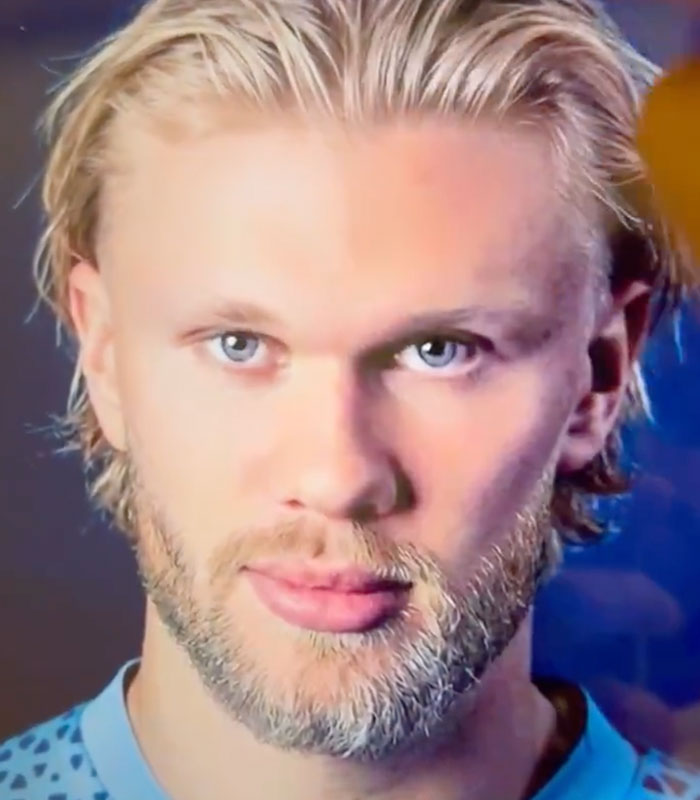
The Beard Liberation Front, the informal network of beard wearers, has said that Erling Haaland’s decision to get his hair cut may lead to a significant decline in his goal scoring capability unless he now grows a beard.
The campaigners say that hair on the football field is all about stimulating air currents to influence the direction of the ball.
Previously Haaland’s hair style was expertly crafted to promote this.
Now he has a short hair cut and currently remains clean shaven that advantage will be lost
BLF Organiser Keith Flett said, Haaland needs to understand the importance of Beard Power
Today, the entire community of professional musicians mourns the loss of an irreplaceable icon and a generous heart: Dolly Parton.
While the world knows her as a global superstar and philanthropist, we at the American Federation of Musicians of the US & Canada and Local 257 (Nashville Musicians Association) knew her as a steadfast champion for working musicians. Dolly was always very generous with her time and her money. Her extensive charitable work was never about public perception—she gave simply because she truly cared, always doing everything the right way to make sure that people were taken care of. She overcame every obstacle that came her way and broke down many barriers for women in the music business. Her influence went far beyond the boundaries of country music, but she never lost track of who she was and her values.
“Before she was an icon, Dolly was a working musician,” says Tino Gagliardi, AFM International President. “Dolly never forgot the musicians who helped bring her music to life. By standing firm for solidarity and treating every player with dignity, she elevated our entire profession.”
“Throughout her 58 years as a proud member in good standing of Local 257, she set the gold standard for supporting her band and fellow musicians. Dolly and her team consistently filed AFM union contracts for gigs, sessions, and tours, ensuring that the bands, singers, and studio musicians working alongside her received the benefits of union membership,” says Dave Pomeroy, President Local 257.
We extend our deepest condolences to her family, bandmates, and millions of fans. Rest in peace, Dolly. Thank you for the music and the solidarity.
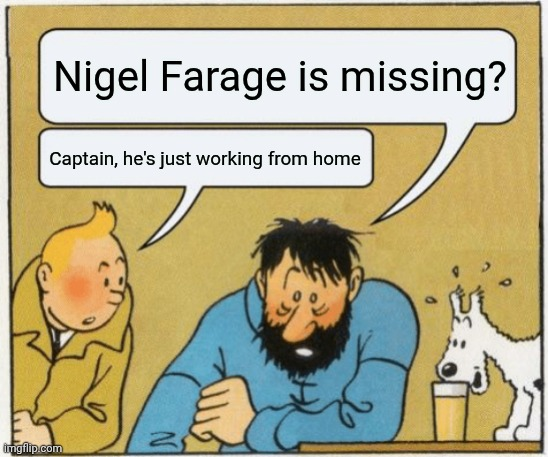
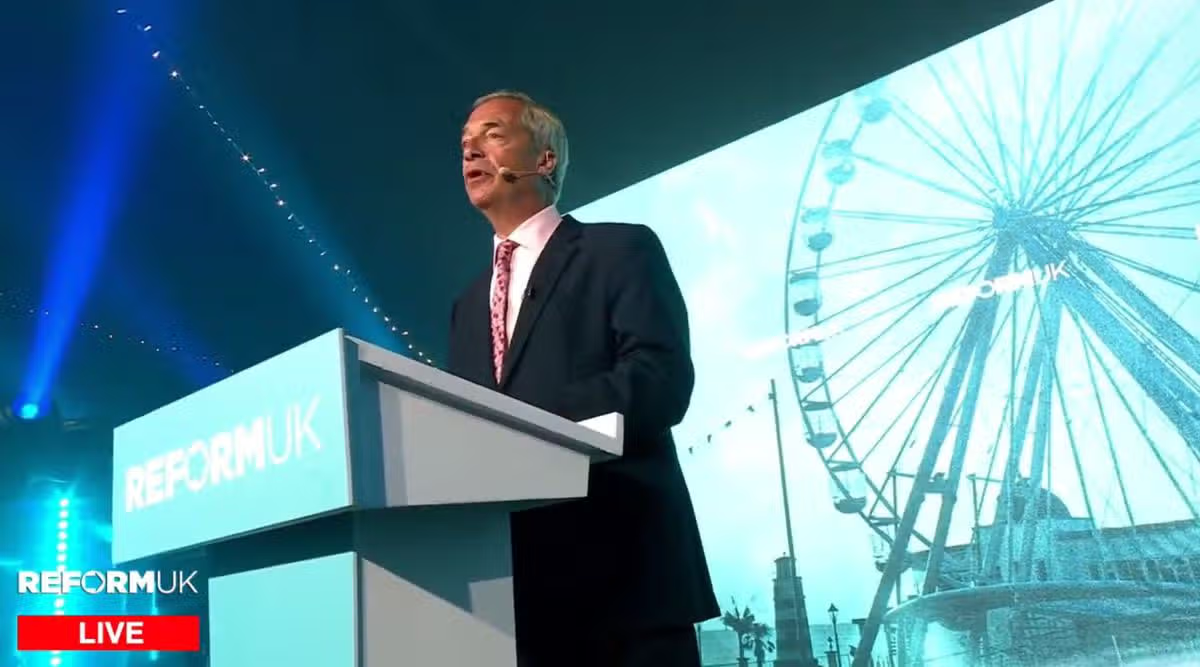
Instead of attending the Count at the By-Election he caused in Clacton on 13/14th August, Farage was to be found at Farage Fest, an event at Great Oakley airfield which is near Harwich.
The event included free alcohol and food (there was a small entry fee) a ferris wheel and firepits. Farage spoke at 3am.
Tendring Council, the relevant local authority, have now confirmed that while a licence was applied for, Reform did so too late and the licence was refused.
The penalty for knowingly selling alcohol without a licence is an unlimited fine and/or up to six months in prison.
Farage may be practicing is version of the Bobby Fuller/Clash song I Fought The Law (But The Law Won) before long
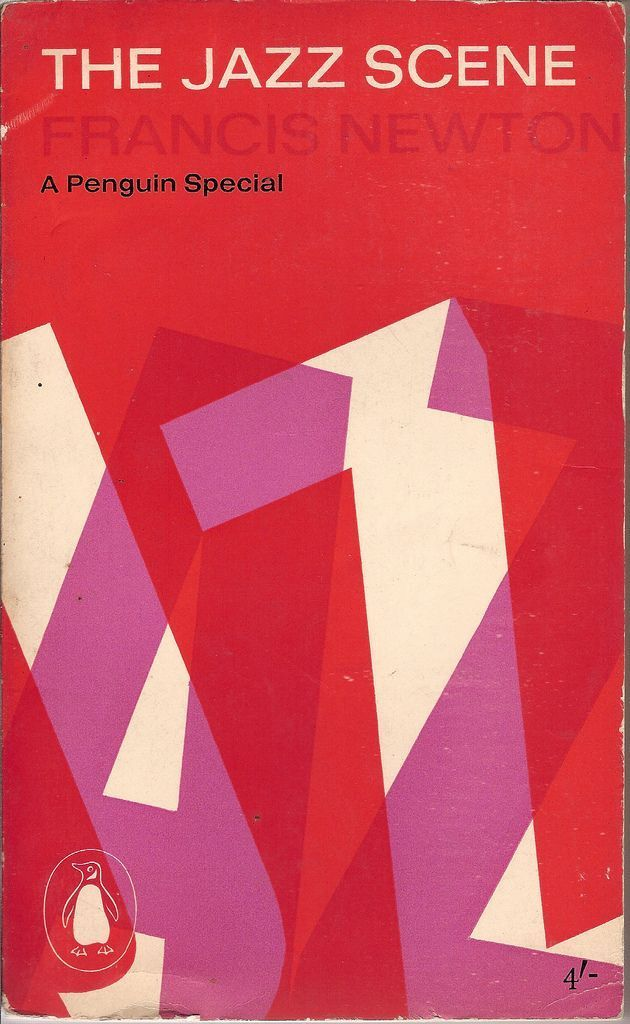
Hobsbawm was the jazz critic of the New Statesman from 1955 to 1965 writing under the pseudonym Francis Newton (who was a Communist jazz player.
In his biography of Hobsbawm Richard J Evans writes of Hobsbawm’s view of Miles Davis
Newton wrote that Miles Davis was a player of ‘surprisingly narrow technical and emotional range’ and ‘most of his records are not very good’ Miles Away, New Statesman, 21st May 1960.
Later lecturing at Stanford (as a Marxist historian) he explored the jazz clubs of San Francisco and having made the acquaintance of Paul A Baran one of the Editors of the Marxist Monthly Review, he took him to a Miles Davies concert. Richard J Evans notes that Hobsbawm found Baran to be unimpressed.
Emile Chabal in his new biography of Hobsbawm (2026) devotes more space to Hobsbawm on jazz and notes that while he admired Miles Davis he had reservations about his ‘technical prowess’. One might suspect that Davis if he knew of Hobsbawm’s perspective probably carried on regardless.