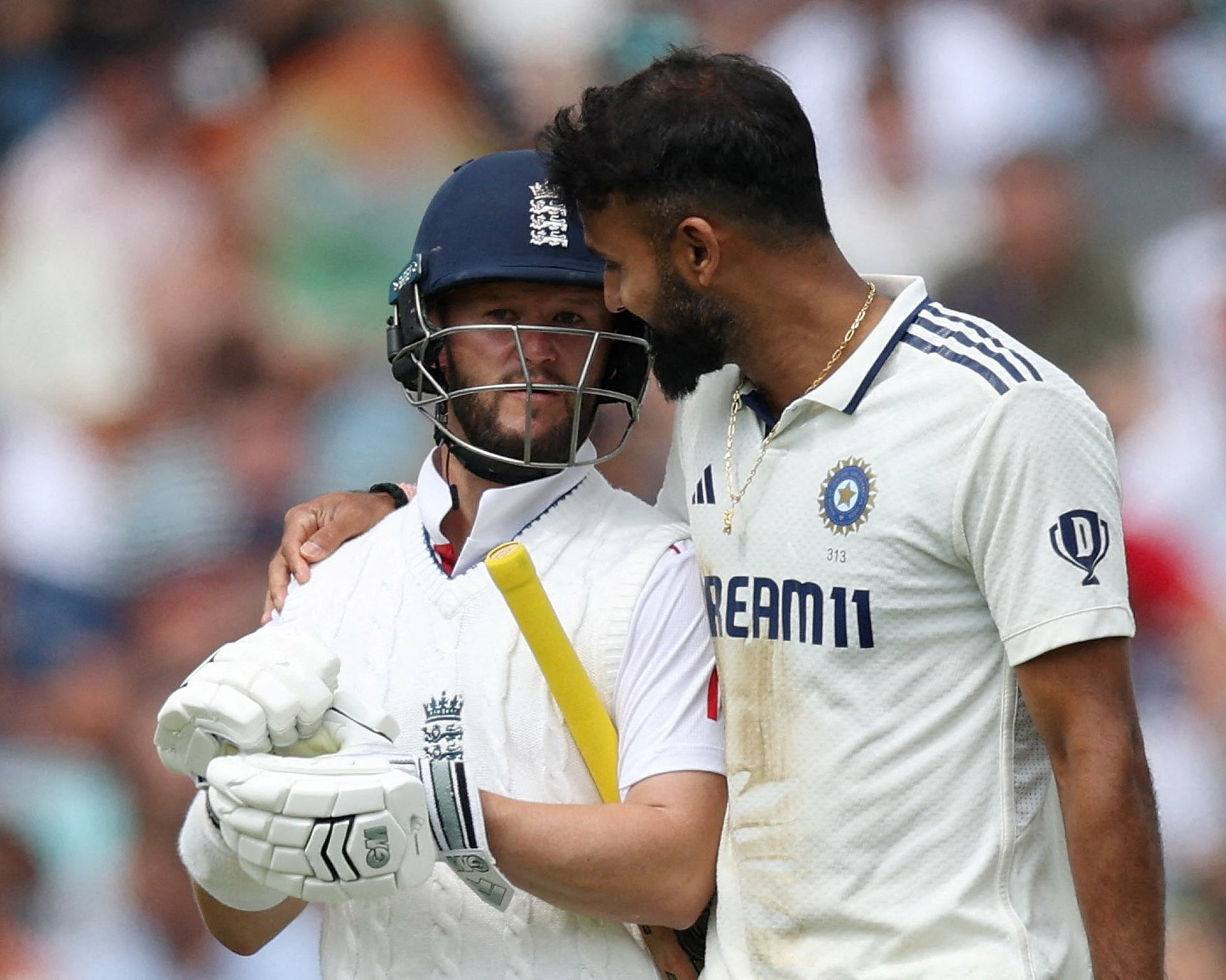
The England cricket team and the closed shop
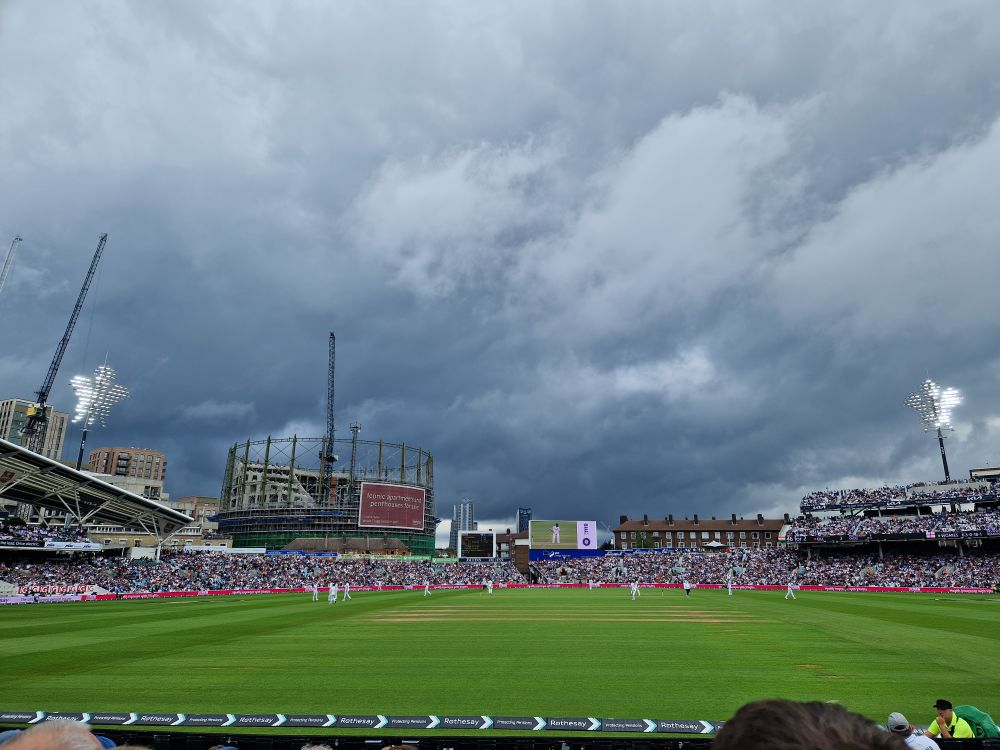
Philip Collins, formerly a speech writer for Blair and Times columnist has written for the Observer (link below) arguing that the England cricket team is the last ‘closed shop’ in the country.
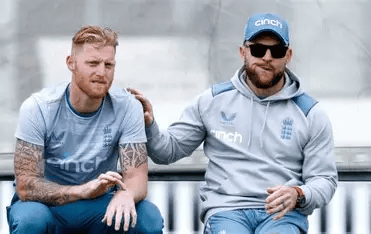
He seems to particularly feel that players like Zak Crawley and Jacob Bethell are there because they get on with England and Wales cricket coach Brendon McCullum or possibly cricket boss Rob Key. Possibly. They would argue that they look to promote talented players for the future I suspect.
Crawley whose record in the current India series is decent is in the side because its thought he’ll perform well on Australian pitches in the forthcoming Ashes series. I’m less sure about Bethell, who has little experience, but is a public school boy. The distinction between amateur and professional in cricket was abolished in 1963 but public schooling still counts at the top of English cricket.
Collins argument on the closed shop, of which I suspect he knows little, is specious. Unlike Collins I was a trade union officer when the closed shop still existed (banned 1990). In some trades, the print for example, you couldn’t get a job without a union card. That was true in the (then) civil service area I worked in too, but in reality it was often of more benefit to the employer than the union. They could strike binding agreements and implement them knowing that everyone was covered. This meant, for example, less HR (or as they were called then personnel officers) managers were needed. From a union point of view it meant there were people in membership who really did not want to be members (for whatever reason) and they could be very annoying- to the union not the employer.
The closed shop did not mean, as Collins seems to think, that you couldn’t be sacked for poor performance. You could, but it had to be done using appropriate procedures with union representation- much as many employers still to do.
The England cricket team is not a closed shop, it is an autocracy, or in part a young public schoolboys club. It misses out on a large number of players, perhaps particularly those from a South Asian background, who could be brilliant England cricketers. The start of an answer is to make England cricket team selection a more democratic affair, with the coach having a say, along with significant others.