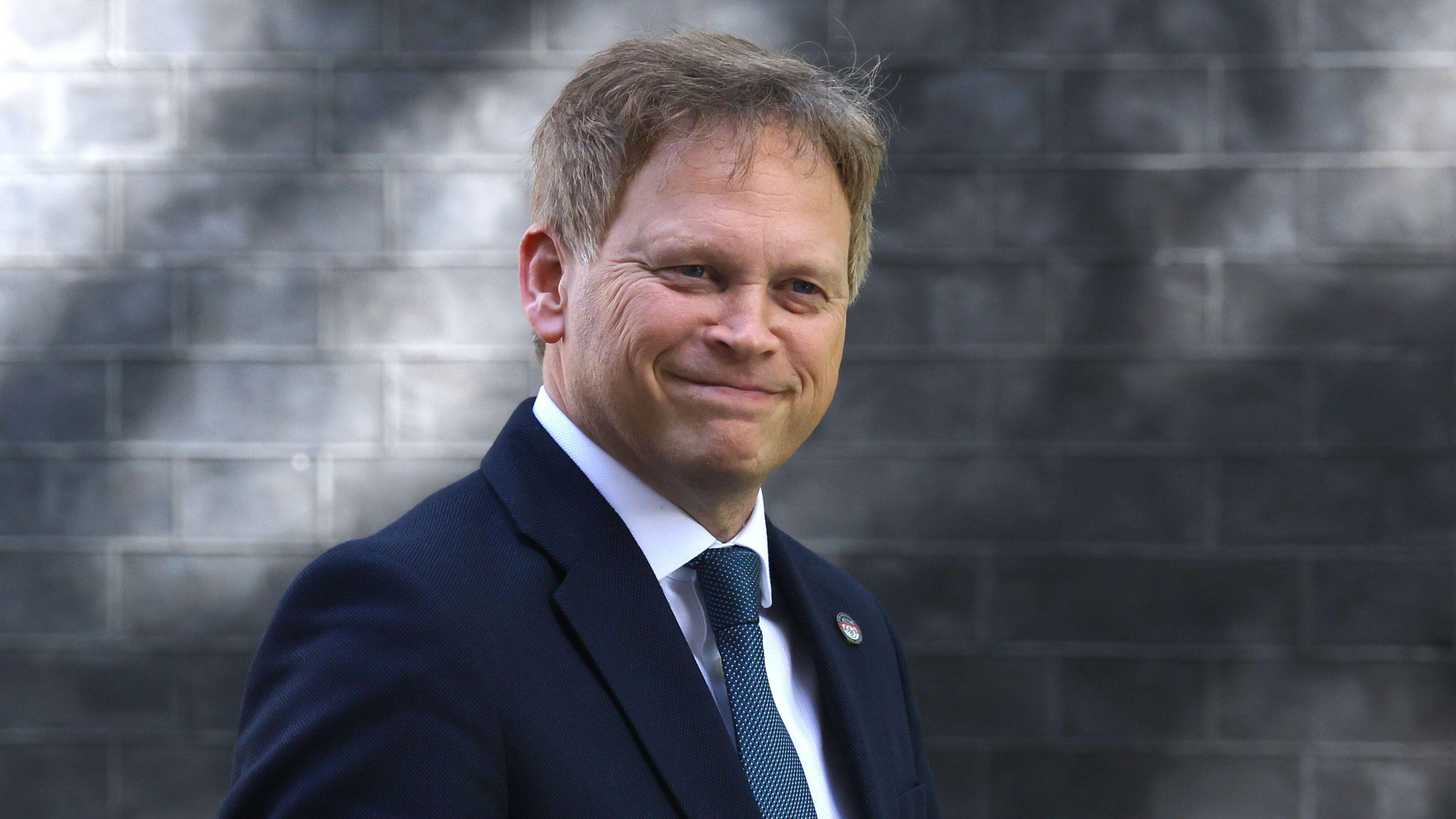
According to The Spectator, who it may be assumed is well informed on matters Tory, Kemi Badenoch has purged Grant Shapps from standing again as a Tory candidate.
Shapps, also known as Michael Green and Sebastian Fox, lost his seat at the 2024 Election.
Badenoch in her Great Moving Right Show has made it clear that no one will be standing as a Tory candidate if they support net zero. It might be thought that with record temperatures, drought and wild fires the need to grapple with climate change is urgent. Not clearly for the Tory leader.
Whether Shapps currently supports Net Zero is unclear but he once held the position of Net Zero Secretary and frankly in Ms Badenoch’s world you don’t need a weatherman..
The Campaign for Real Ale & Andy Burham on pubs. Pints & People & Working Class Culture
The Government’s announcement of a business rates cut for pubs from April 2027 has been broadly welcomed, although of course naysayers can be found. It is or should be a start to addressing a crisis on hospitality. That means helping independent pubs and brewers and keeping pubs open as the hub of community life for all. Global brewers and the pub chains they own are doing Ok as it is (but will still benefit)
Ash Corbett-Collins, chair of the Campaign for Real Ale, said:
This is a brilliant start to the new Prime Minister’s tenure, living up to the statements that he’s made before about pubs, pints and people.
Our business rates system is grossly unfair to pubs and social clubs, bricks and mortar businesses that are also vital social institutions for their communities and desperately needs reform.
As always we need to see the details at the Budget, but another year of rate relief will provide vital breathing space to publicans in England, while the work to review the rating system for hospitality businesses presumably continues.
Andy Burnham 23rd July 2026
This is to me our heritage. It’s working class culture. Once pubs are gone, they don’t come back. So we’ve just got to signal what support when we can. That’s why I’ve made this early announcement. This is a significant cut to the business rates that pubs and other venues pay,” Mr Burnham said.
It’s an unusual line for those who follow the frequent thoughts of Wetherspoons boss Tim Martin. He usually criticises Government and particularly Labour ones.
Following the decision to cut business rates for pubs and bars Martin said ‘this is a small move in the right direction.
He went on to call for backing for Tom Kerridge’s campaign for tax equality between pubs and supermarkets, where the latter pay less tax but compete in some of the same markets. Kerridge is a veteran Labour supporter
The British Beer and Pub Association (the employers body) also backed the move.
Kemi Badenoch as often failing to read the room did not…
Ed Miliband became Foreign Secretary on 20th July and a statement has already made clear his position on some key issues:
“My parents came to Britain as Jewish refugees from the Nazis. To them, Britain was both a sanctuary and a beacon of hope in the global fight against fascism. I will carry my parents’ faith in that spirit of Britain to my role representing our country.
“I will be a Foreign Secretary who fights for Britain’s interests and our values of democracy, freedom and the rule of law on the world stage.”
He promised to maintain close ties with both the EU and the United States, as well as upholding Britain’s commitments to Nato and the United Nations. Miliband added: “The FCDO (Foreign, Commonwealth and Development Office) I lead will also be at the forefront of issues which pose profound and substantial threats to justice and equality in Britain and across the world.
“We will work with others on tackling the climate crisis, strengthening our partnerships for international development, and reforming our international institutions so they deliver for all countries, including the world’s poorest people.”
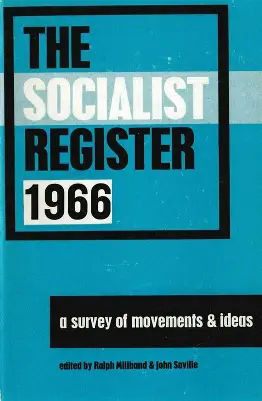
Below is an extract from Ralph Miliband’s 1966 assessment in the Socialist Register, an annual survey which he co-edited with John Savill, of Harold Wilson’s Labour Government. I’ve picked out a section on foreign policy.
Of course Ed Miliband is not his father and he is certainly somehow required to echo his views, despite the persistent efforts of the right-wing media to suggest this. Even so he is on the left so to compare and contrast the positions is interesting. Sixty years different contexts apply politically and any analysis must account for that. However while US imperial power still exists, as it did in 1966 it is weaker having suffered a series of defeats.
Its not a question of reaching a judgement but of organising and campaigning for a left position. Here I think Ralph Miliband made some good points, albeit his views of course did vary over the years.
Ralph Miliband, Socialist Register 1966
As in home affairs, so in the field of foreign affairs, colonial affairs and defence. Whatever measure of comfort Labour supporters may be able to find in some of the Government’s actions at home, there is no such comfort to be found in relation to foreign and colonial affairs or defence policy. In these fields, the Government has shown a degree of conservatism and orthodoxy more consistent and unswerv- ing than would have been thought likely by even very sceptical people before it was elected, the writer included. After all, it was only a few months before the General Election that Mr. Wilson, then Leader of the Opposition, asked the then Prime Minister, Sir Alec Douglas Home, to “make it quite clear-as we asked him to make it clear in March-that we would not support any extension of the war into North Vietnam”;4 and it was only a few months before that that Mr. Wilson had said that “there never has been a time when the world, through the U.N., or the Commonwealth, has looked more anxiously to Britain for a lead, a lead on disarmament-instead of tamely following every American statement-a lead in the attack on world poverty, a positive stand on racial discrimination and racial oppres- ~ion”.~ Whether the world was waiting quite so anxiously for Britain may be in doubt, but if it was, it must have discovered its mistake fairly early on in the life of the Wilson Administration. For “tamely following every American statement”, and act, and policy, is precisely what the Labour Government has done throughout its period of office. The notion of a “special” British relation to the United States has sometimes been discounted in the recent past. It should not be, for it has been reinvigorated by the Labour Government, in a special sense: no government, apart from satellite and client states proper, has been quite such an eager and faithful supporter of American pur- poses and enterprises. Vietnam is of course the most obvious as well as the most ignoble instance of the spirit which has moved Mr. Wilson and his colleagues. In the face of one of the clearest and most authentic cases in this century of a popular struggle for national and social liberation, the Labour leaders have not hesitated to support America’s attempts to drown that struggle in blood, or to endorse the most spurious Ameri- can claims as to the nature of the conflict.
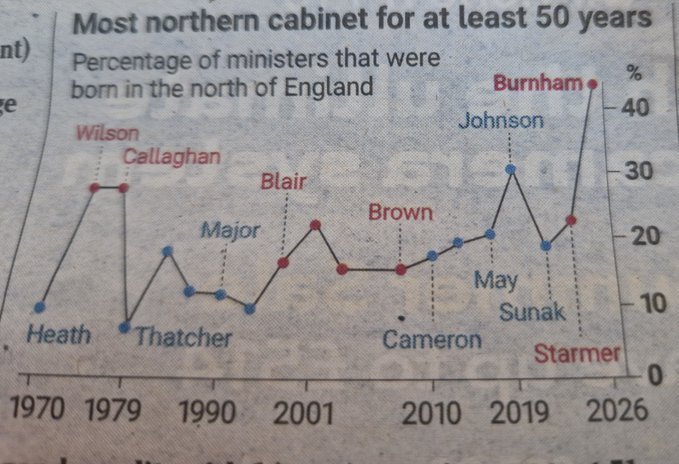
There has been media commentary about how many Cabinet members are now from the North (officially defined as the north-west, north-east of England & Yorkshire & Humberside.
Certainly there are more than for a while (see graphic) although I tend to think politics matters more than geography.
Even so there is a long history in the labour movement to this. Before the Independent Labour Party was formed in 1893 an executive was appointed of people from around the UK. The proviso was that must all live in London. It did not work. The ILP was founded in Bradford in January 1893 with Manchester being the early organisational centre
Guardian report 21st July
The new business secretary, Jonathan Reynolds, defended the make-up of the cabinet, which has a majority of members based in the north of England, with five from Greater Manchester.
Asked if there was a risk of a north-south divide, Reynolds, the MP for Stalybridge and Hyde in Greater Manchester, told BBC Radio 4’s Today: “No, there isn’t.”
“I don’t want to get touchy about it, but I can’t remember previous occasions where people have objected to too many people from a different part of the country being in there,” he said.
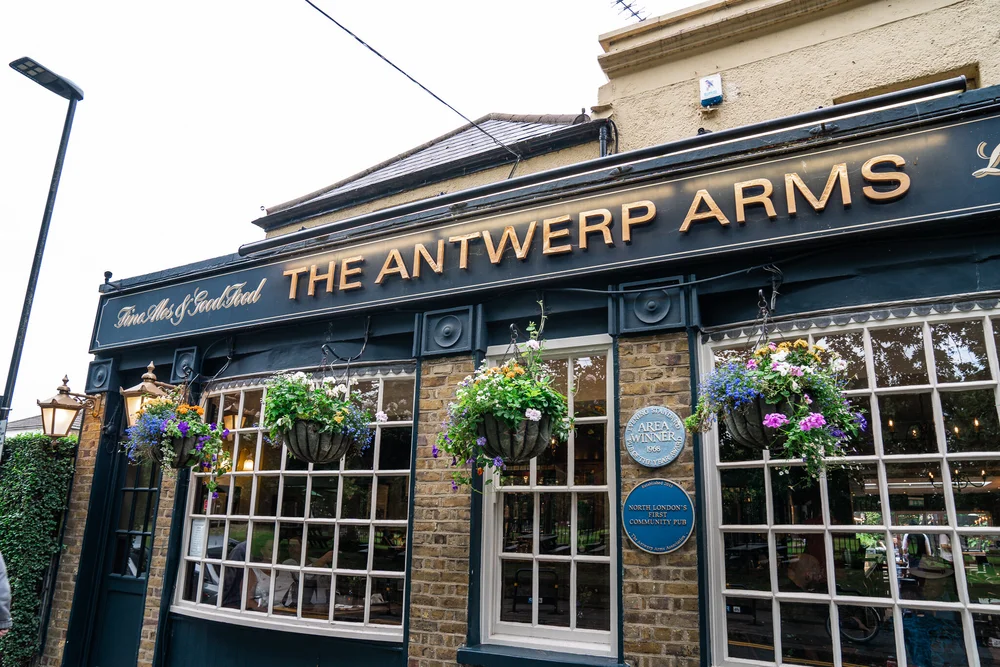
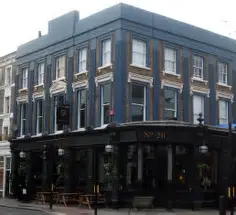
It seems unlikely that the Starmerites who were purged by Andy Burnham on Monday knew the history of the pub they gathered to drink in,
The Grafton in Kentish Town is near to Keir Starmer’s home address (although his local is the Pineapple in Leverton St). Its also near to other well known local drinking spots the Camden Town Brewery Beer Hall (the Brewery is in Ponders End now) and Tapping the Admiral, a CAMRA favourite.
The Grafton may have been chosen because it has outdoor drinking in warm weather or perhaps to steer away from the media.
In the 1850s and 1860s Karl Marx lived nearby in Grafton Walk and then Maitland Park Rd. The pub dates from 1866 when he was at the latter address. Marx did write three volumes of Capital but he was not engaged in producing a North London Pub Guide. Aside from a well known pub crawl up Tottenham Ct Road (recorded by someone else) he did not record where he drank.
He was certainly however a lover of pilsner beer (available in London in the 1860s) and pubs. Its highly likely he frequented the Grafton….
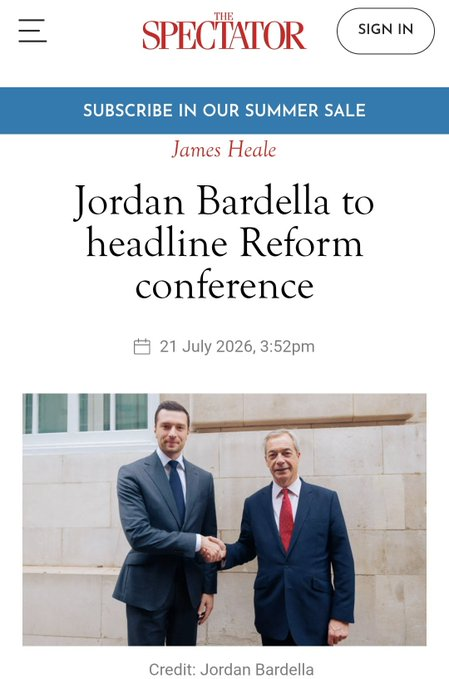
The Deputy Leader of the French National Rally Party is reportedly set to be the star speaker at Reform’s ‘conference’ in September.
National Rally is the successor to the National Front whose leader Marine Le Pen looks set to be a Presidential candidate in 2027 (despite Court sanction).
The National Front was a fascist party but the National Rally has, depending on your view, edged away slightly from that and might be described by some as far right. It has a good chance of winning the Presidency but can of course be stopped by anti-racist and anti-fascist campaigning and by posing an alternative to its gutter politics.
Reform’s choice of keynote speaker underlines where its politics fit on a European scale
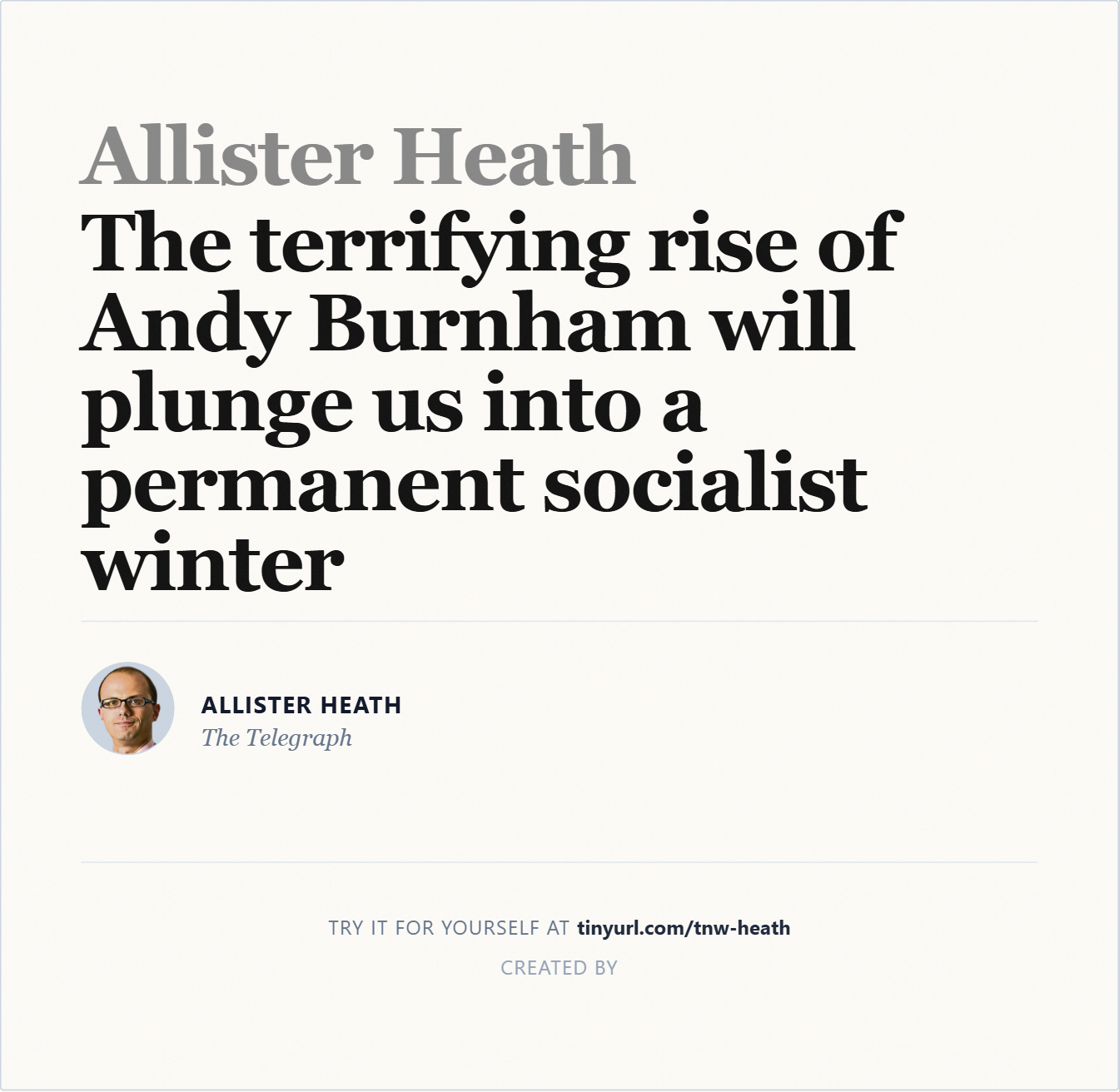
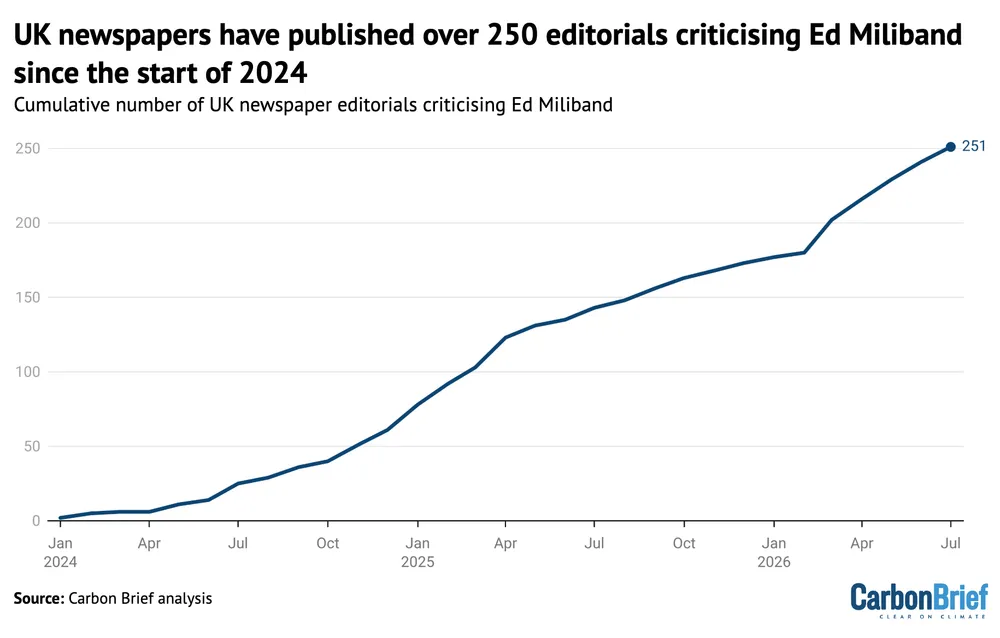
The right-wing media involved are The Sun, Mail, Times & Telegraph
Ed Miliband has been pursuing a Net Zero agenda out and in Government for a good while. A significant section of big business has not been happy about. In the context Miliband did well to stop Starmer caving in to the media demands and moving him.