Chester By-Election. Tories worst performance in the seat since 1832 Reform Act
Samantha Dixon has won the Chester By-Election for Labour with a 10,794 vote majority making it a safe seat for the Party. In 2015 it was highly marginal with a 93 vote majority for Labour.
The Tories vote share (down from 38%) is their worse performance in the seat since the 1832 Election which followed the Great Reform Act. The purpose of the Act was to avert revolutionary change by a significant increase to the numbers who could vote (still overwhelmingly the well to do at this point).
It surely begs the question of democratic reform in 2022 with a Government in office that clearly does not have public support but will not call a General Election. That democratic deficit if not addressed in Parliament will find its outlet in the workplaces and on the streets.
Brewdog has said that it has withdrawn from the scheme after it was asked to make changes that one way or another it didn’t want to.
B Corp certification is given to SME companies that meet a range of criteria around ethics, employees etc. Few if any of those with the certificate are quoted on the Stock Exchange. There appear to be only 4 with more than 1,000 employees.
Your favourite fat cat companies who have far more workers publish annual reports to the stock market where they show how they are doing against a range of criteria. They also employ lots of people to demonstrate that all the right boxes are ticked, whether they really are or not.
Brewdog is not in that league. However recognising a trade union and dealing with suggestions of greenwashing on its climate policies would certainly help its public image (ltd)
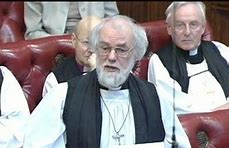
1991.When Tony Benn proposed Disestablishing the Church of England in a Commons Bill
The 2021 Census has revealed that for the first time a majority of people do not identify as Christians. The National Secular Society amongst others has called for the Disestablishment of the Church of England. After all if a trade union ballot for industrial action is only valid with 50% minimum support, why not.
In 1991 Tony Benn proposed a Bill in the Commons to Disestablish the Church and generally democratise British institutions. Dismissed at the time some of it has since happened. Other parts might yet
Source Wikipedia
The Commonwealth of Britain Bill was a bill first introduced in the House of Commons in 1991 by Tony Benn, then a Labour Member of Parliament (MP). It was seconded by the future Leader of the Labour Party, Jeremy Corbyn.
The Bill proposed abolishing the British monarchy, with the United Kingdom becoming a “democratic, federal and secular Commonwealth of Britain”, or in effect a republic with a codified constitution. It was introduced by Benn a number of times until Benn’s retirement in 2001, but never achieved a second reading. Under the Bill:
The monarchy would be abolished and the constitutional status of the Crown ended;
The Church of England would be disestablished;
The head of state would be a president, elected by a joint sitting of both Houses of the Commonwealth Parliament;
The functions of the royal prerogative would be transferred to Parliament;
The Privy Council would be abolished, and replaced by a Council of State;
The House of Lords would be replaced by an elected House of the People, with equal representation of men and women;
The House of Commons would similarly have equal representation of men and women;
England, Scotland and Wales would have their own devolved National Parliaments with responsibility for devolved matters as agreed;
County Court judges and magistrates would be elected; and
British jurisdiction over Northern Ireland would be ended.
The judiciary would be reformed and a National Legal Service would be created.
The Constitution would be codified and an amendment process established.
The voting age would be lowered from 18 to 16.
MPs and other officials would swear oaths to the Constitution, not the Crown.
December 1st. World AIDS Day: Remembering the ‘other’ pandemic
December 1st is World AIDS Day when time is taken to remember the many millions who have died (and, in lesser numbers) continue to die of the illness.
Cases and deaths still occur in Britain from AIDS but they are relatively limited. There remains no cure or completely effective vaccine against AIDS but there are treatments that can very significantly increase life expectancy.
I’ll take time to recall several friends who did die of AIDS in the 1980s before it became understood how important it was to keep to ‘safe sex’ practices.
In 2022 AIDS is a chronic illness in the UK rather than a pandemic but there remain significant numbers of cases and deaths around the world which impact, as is more or less always the case, the poor more than the rich and in areas where early treatment is less easily available.
In the context of COVID-19 it is interesting to note the similarities with AIDS and the downsides.
The origins of AIDS remain unclear but the line that it was deliberately started by scientists (American rather than Chinese in this case) is fanciful. Certainly transmission from the animal world appears a possibility but there are numbers of histories and theories
There were a number of false stories about how AIDS could be acquired including from toilet seats and through kissing mostly underwritten by a considerable level of homophobia, although AIDS is by no means entirely confined to gay men.
Likewise and this may also seem familiar there were those who denied that AIDS was a significant or noteworthy issue at all, the most well-known UK exponent of this was Dr Michael Fitzpatrick who argued that AIDS prevention was an industry and the scale of illness was vastly overstated.
The tough reality that AIDS is still with us and still kills might one think cause a re-think but Fitzgerald has moved on to other issues.
That aside keeping in mind this December 1st that COVID is not the only pandemic around in the world- TB and Cholera remain killers too-is a sobering thought.
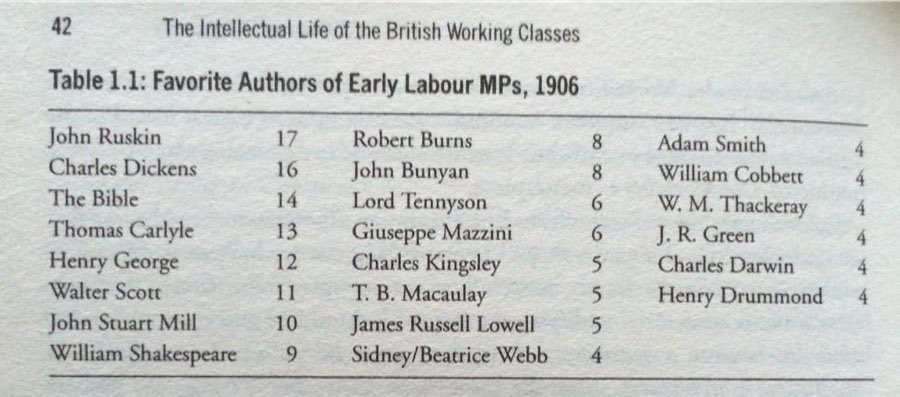
One wonders what a similar survey in 2022 would find. Hopefully no mentions of Nadine Dorries. The lack of mention of Marx,which several of the MPs at least would have had some idea of, can be attributed in part to a lack of English translations at this point.In general though it suggests a well read group, with a considerable input of radical if not left ideas. Again a comparison with 2022 would be interesting
From the Preston Lock Out 1854 to the CWU post-strike 2022. Stopping scabs
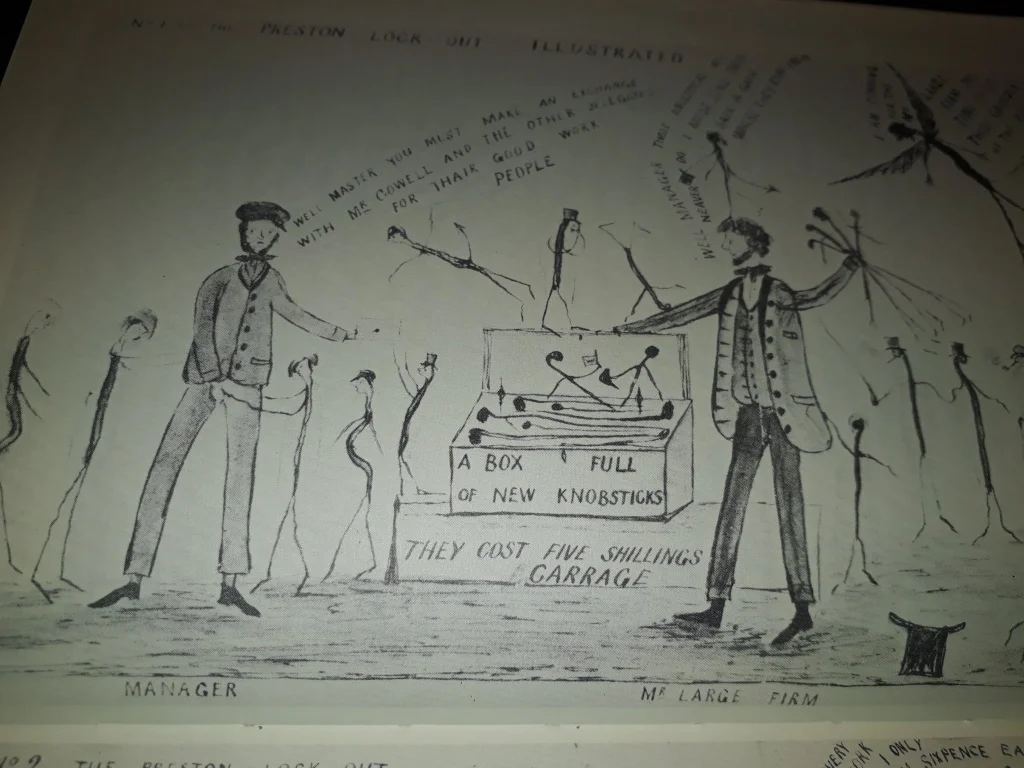
The Preston lock-out of 1853/4 was one of the great labour disputes of the nineteenth century.
My thanks to Robbie Judkins who has written a new piece on workers organisation in Preston in the 1840s and before for reminding me that Marx had written on the lock-out
Writing in the New York Daily Tribune on 31st March 1854 Marx noted that, while there seemed little real legal basis for it, several workers leaders had been arrested for conspiracy. They had successfully persuaded scabs hired by the employers not to work but to return home.
Strike organisers had met scabs being brought in by train (this was when trains in the north of England ran) and diverted them into a local hostelry. After a few beers the scabs were escorted back to the rail station and despatched home.
Until the 1871 Trade Union Act collective union action to stop scabs was regarded as conspiracy. Hiring scab labour while a balloted industrial dispute is underway was recently legalised by an obscure politician called Kwasi Karteng, although whether he had the power to do so remains disputed.
No matter effective action to stop scabs still works. The CWU has revealed that in an attempt to undermine a further two days of strike action to defend jobs and our postal service the Royal Mail planned to recruit couriers via the Ryde App. The CWU posted on twitter that they managed to pre-empt management. No pubs were involved this time. Rather hundreds of people applied for the jobs on the App and on the first day of strike action- 30th November- they were nowhere to be seen…
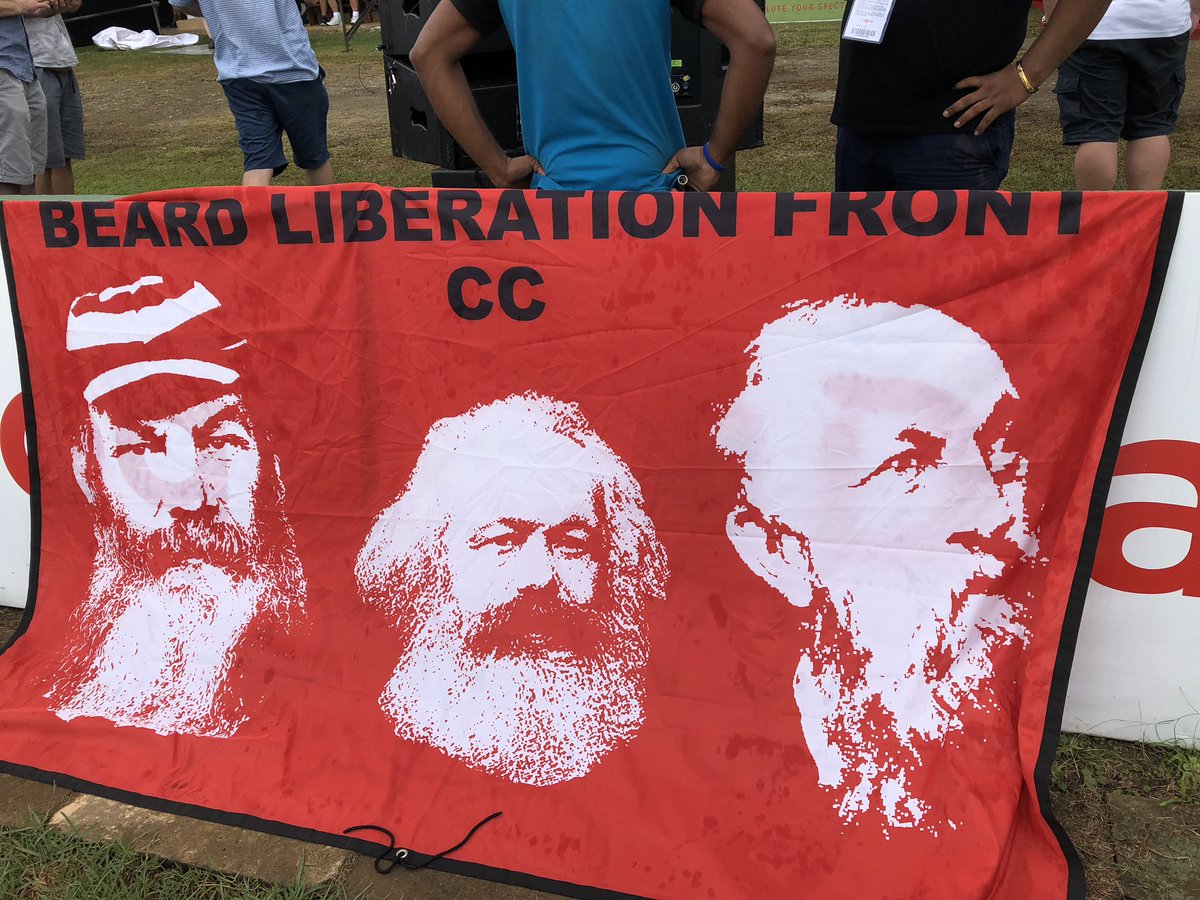
Beard of the Year 2022. Short List revealed. Michael Rosen faces Hamza Yassin
The Beard Liberation Front, the informal network of beard wearers, has revealed the shortlist for the coveted Beard of the Year title. The 2021 winner, author and broadcaster Michael Rosen will face off against Strictly star Hamza Yassin along with six other contenders
The Award was first given in 2000 when the late Frank Dobson won. Author and broadcaster Michael Rosen won the on-line poll in 2021.
A longlist has been shaved to a shortlist and after semi-finals and a final the winner will be announced on 28th December
The campaigners say that the criteria for inclusion on the longlist remain the same as in previous years:
A nominee must have had a beard for most of the calendar year
The beard wearer must have provided a positive public image of the hirsute
Beard lengths and styles are not taken into account.
BLF Organiser Keith Flett said, we’re moving into the follicle frenzy part of the year. We expect competition for the coveted Beard of the Year title to bristle
Letter Writers will want to send solidarity to CWU postal workers after a huge 95% vote to take more action to defend our postal service on an impressive 77% turn out. Despite working all through the pandemic and helping to keep things going they have been offered a hugely below inflation pay rise. Royal Mail is also not only threatening but trying to implement worse terms and conditions.
As so often in British industry Royal Mail bosses far from taking a pay freeze or cut have paid themselves huge bonuses.
Letter writers like myself mostly use e-mail now but there is still plenty of mail in traditional form though and some of it is not easily amenable to e-mail. Posties remain a key part of the economy and deserve decent pay and conditions. They need our support in getting it and in maintaining a postal service that Royal Mail bosses want to destroy
The Pub Company Fullers has spoken out about the impact of proposed RMT rail strikes over the Christmas period. Simon Emeny has said that the strikes could damage trade and impact on staff hours and incomes. He has urged the RMT to call off the strikes.
I’m a lifelong adherent of Fullers beers (now brewed by Asahi) and a fan of some of their classic pubs such as the Star Tavern in Belgravia (in every issue of the Good Beer Guide) and the Parcel Yard at Kings Cross.
Yet Mr Emeny has struck an off note here. General Secretary of the RMT Mick Lynch has written to pub operators underlining that it is the Government that is blocking a deal that would see strikes called off. Notably Kate Nicholls of UK Hospitality has called for the Government to intervene and resolve the dispute.
It might also be considered that while the RMT dispute is about a lot more than wages, if workers are hit by the cost of living crisis, they are unlikely to be spending much time in the pub this Christmad
The Tory Culture War on Museums has been going on for a long time. In the 1980s the late Bernie Grant MP was campaigning for the return of Benin Bronzes to the countries from which they were stolen or looted by British imperial endeavours of previous eras.
The issue of returning objects to their rightful place, not on display in the UK, has perhaps focused on the British Museum but now the Tory Culture Warriors have opened a new front.
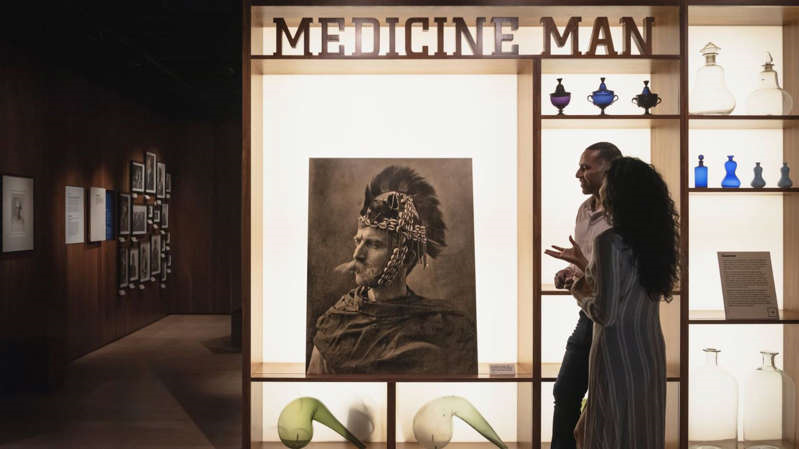
The Wellcome Museum in central London has closed a display of items collected by its founder Sir Henry Wellcome on the basis that they feature images and items which are sexist, racist and ableist. The Museum argues that in 2022 telling the story of health requires a different approach.
Predictably the Tory Culture Warriors have complained. The pages of the Times and Telegraph have condemned the changes. Far right columnist Melanie Phillips has complained in the Times (28th November) that the changes erase knowledge.
One might think from all this that the display in question had been their since time immemorial. In fact it has been there since 2007 and it might reasonably be held that museums change their displays from time to time to reflect changing interests and perspectives. Otherwise museums become themselves time bound museums