Articles

2021 Beard,Shorts & Sandals Pre-Season to open on 24th April. Guidelines apply

In Uncategorized on April 20, 2021 by kmflett

Beard Liberation Front

20th April

Contact Keith Flett 07803 167266

2021 Beard, Shorts & Sandals Pre-Season to open on 24th April. Guidelines apply

The Beard Liberation Front, the informal network of beard wearers, has said that the 2021 Beard, Shorts and Sandals Pre-Season will open on 24th April.

The BLF says that it has amended guidelines for the 2021 Pre-Season in line with current social distancing regulations.

The campaigners say that temperatures have generally been below average so far in April but with the weather starting to warm up a little, it is appropriate to open the Pre-Season, particularly as drinking outside at pubs will be allowed across the UK from late April.

2021 Pre-Season guidelines

1] Shorts should ideally be three-quarter length-‘culottes’ for the 2021 season. The length of shorts is particularly important as climate change may mean that unprotected legs get sunburnt.

2] Footwear should be casual. There is a considerable range of sandal type footwear now available. Some leaves parts of the feet and toes open to public view, while some does not. The BLF is not prescriptive about the matter.

3] Socks should generally not be worn. However if the beard, shorts and sandals are to be displayed in relatively busier urban areas it is likely to be prudent to wear closed rather than open casual footwear and ankle socks, not visible to others may be worn.

4] There is no prescription or definition on what type of beard may be worn, or how this may match with the shorts and sandals. This is left up to the individual.

5] If venturing out in accordance with restrictions in force at the time social distance should be kept at all times. On no account should there be any groups of beard, shorts and sandals wearers gathered beyond six people.

BLF Organiser Keith Flett said, the Beard, Socks and Sandals season has been a major influence on summer fashions in recent times but just at the moment the key message remains: no flaunting outside of the rules laid down above.
Articles

April 19th: political leaders visit pubs

In Uncategorized on April 19, 2021 by kmflett

April 19th: political leaders visit pubs

A week after some pubs re-opened outside in England Boris Johnson and Keir Starmer have been visiting pubs.

Starmer was ejected from the Raven in Bath by the landlord (the owner later apologised to Starmer). As a socialist I have criticisms of Starmer but its worth keeping in mind that the majority of those who don’t like him are on the right not the left. Hence the landlord was heard complaining to Starmer that he had supported lockdowns just because old people were dying. As well known pub landlord Jeff Bell tweeted, pubs have been badly hit by lockdowns, but don’t assume this means that most or even many landlords are deniers.

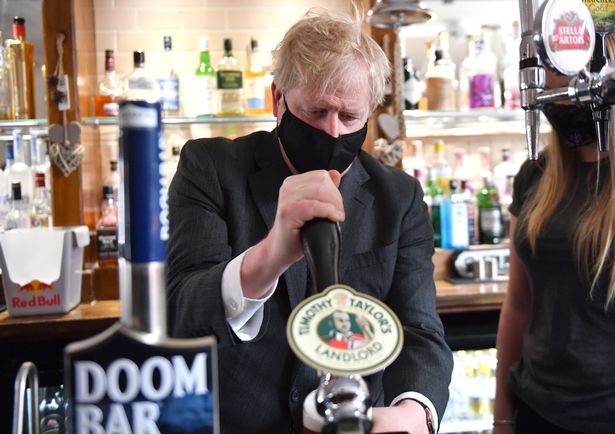
Johnson by contrast was not (sadly) ejected from the pub he visited in Wolverhampton, the Mount Tavern in Penn Rd. Indeed he was pictured pulling a pint of Taylor’s Landlord which he may (possibly) have also drunk. At least it wasn’t a Wetherspoons this time…

Articles

Beard Liberation Front says Mourinho ‘didn’t get’ new era of managerial facial hair

In Uncategorized on April 19, 2021 by kmflett

Beard Liberation Front

19th April

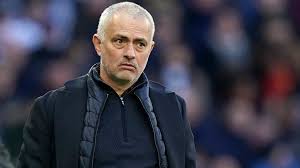
Beard Liberation Front says Jose Mourinho ‘didn’t get’ new era of managerial facial hair

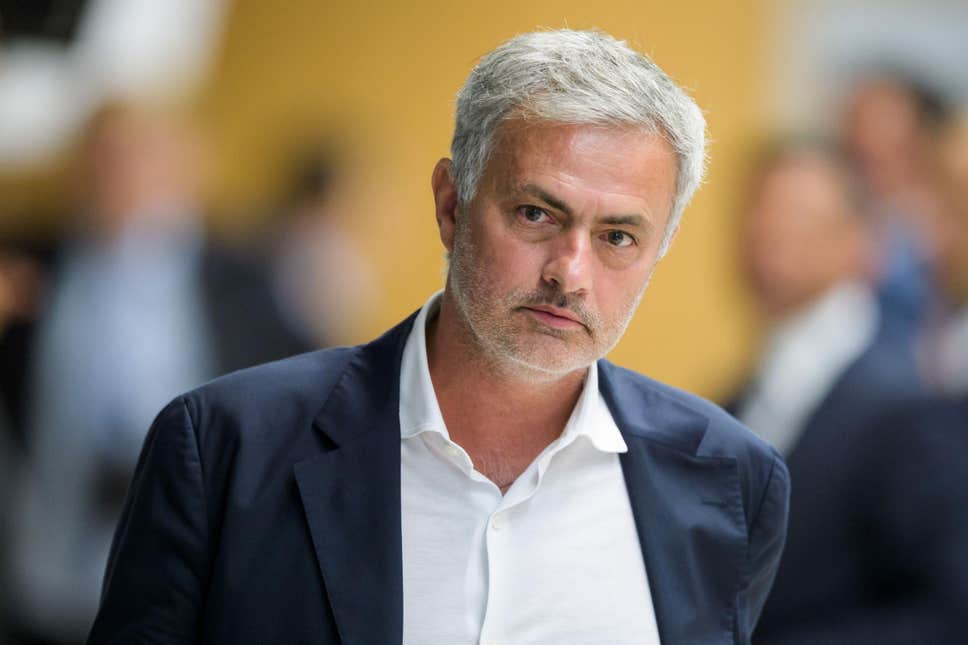
The Beard Liberation Front, the informal network of beard wearers, has said that a major issue with Jose Mourinho’s latest period of Premiership football management at Spurs, which ended today, is that he was simply out of touch with the importance of managerial facial hair in the modern era.

While managers from Nuno at Wolves and Klopp at Liverpool to Hasenhuttl at Southampton and even Arteta at Arsenal understood the importance of managerial beard power, Mourinho rarely progressed beyond modest stubble.

The stubble represented a lack of intent to dynamically intervene in a match, often symbolised by Mourinho slumped in a seat in the manager’s area.

BLF Organiser Keith Flett said, Mourinho who had success in the clean shaven era of football management, vaguely grasped the importance of facial hair in the modern game but was way off understanding what was required.

Articles

From cricket’s The Hundred to football’s ESL, ‘legacy fans’ not wanted

In Uncategorized on April 19, 2021 by kmflett

From cricket’s Hundred to Football’s European Super League, ‘legacy fans’ not wanted.

After a year’s delay The Hundred competition will be starting in English and Welsh cricket this summer. It is a short form of cricket with each side facing ten, 10 ball overs. There is an element of innovation but the key point is that any links to old County sides and grassroots supporters are broken with 8 City based sides. There will be extensive media coverage. The idea is that it will attract new fans and of course bring money into the game.

Existing fans can watch if they want, those that have loyally supported the game over the years, but they are not central to matters

The football European Super League announced on Sunday doesn’t have (as far as is known) the element of innovation (no need for more with VAR already in place..)It is similar in its idea to The Hundred. Six English Premiership sides are involved. The thought no doubt is that if people want to see top level football this is the way forward. Again sponsorship and media coverage will no doubt be guaranteed and money made, if it goes ahead. Also, again, the point being made is that this about attracting new fans not the ‘legacy’ supporters of the clubs as they were.

Meanwhile supporters of other clubs and the grassroots of the game will be very much also rans.

Yet as with cricket without that, is what is happening in any recognisable sense sport rather than some sort of media focused spectacle of (potential)entertainment?

As a footnote Jose Mourinho’s departure from Spurs, announced on Monday morning, may well be some kind of collateral ‘damage’ related to the announcement. If so that will be the one element of the whole saga that most Spurs fans will welcome.

https://en.wikipedia.org/wiki/The_Hundred_(cricket)

https://www.bbc.co.uk/sport/football/56795811

Articles

From cricket’s Hundred to football’s European Super League, money trumps sport

In Uncategorized on April 18, 2021 by kmflett

From cricket’s Hundred to football’s European Super League, money trumps sport

After a year’s delay The Hundred competition will be starting in English and Welsh cricket this summer. It is a short form of cricket with each side facing ten, 10 ball overs. There is an element of innovation but the key point is that any links to old County sides and grassroots supporters are broken with 8 City based sides. There will be extensive media coverage. The idea is that it will attract new fans and of course bring money into the game.

While the possible plan for a football European Super League reported again today doesn’t have (as far as is known) the element of innovation (no need for more with VAR already in place..)it is similar in its idea to The Hundred. Five English Premiership sides are reported to be involved. The thought no doubt is that if people want to see top level football this is the way forward. Again sponsorship and media coverage will no doubt be guaranteed and money made, if it goes ahead.

Meanwhile supporters of other clubs and the grassroots of the game will be very much also rans.

Yet ,as with cricket, without that, is what is happening in any recognisable sense sport rather than some sort of media focused spectacle of (potential)entertainment?

https://www.bbc.co.uk/sport/football/56794673

https://en.wikipedia.org/wiki/The_Hundred_(cricket)

Articles

After the death of Prince Philip: Last Orders for the Royal Family

In Uncategorized on April 18, 2021 by kmflett

After the death of Prince Philip: Last Orders for the Royal Family

The death of Prince Philip may not have raised the future of the Royals in official circles but a quick glance at social media suggests it is a real discussion.

The left, being supporters of democracy and elections, have never been great enthusiasts for unelected rulers, particularly when, as many have done historically, they claim a ‘divine right’ to rule.

Yet in Britain republicanism, the idea that there should be an elected Head of State, has been a minority trend if we compare it for example to French Republicanism which saw a revolution in 1789 to remove the King permanently.

It’s true of course that on 30th January 1649 King Charles 1st lost his head in Whitehall, and a Commonwealth was in place until 1660. At that date the monarchy was restored although the events of 1649 have a place in radical history and thought to this day.

Republicanism in Britain has not been associated only with the left but the majority trend on the left has been to have a distaste for the patronage, privilege and forelock tugging that goes with Royalty, but to be clear that politically there are also other priorities.

It is this anti-monarchism, identified by Antony Taylor, an academic who has provided perhaps the best modern template for the study of opposition to Royalty, that has been the dominant trend in British republicanism. The monarchy is not liked but it is specific instances of excess and extravagance that are the focus of protest.

In 1997 at an earlier moment when the Royals were thought to be out of touch Blair tried to fashion Diana as the ‘People’s Princess’ though it is difficult to see any lasting impact of a campaign that made a considerable mark at the time.

There is a wider issue and one that was central at nineteenth century protests at Royal occasions.

These protests centred on what William Cobbett had called ‘Old Corruption’. That is a political culture of deference and patronage where those who held ultimate power in society- Britain remains a constitutional monarchy not a Parliamentary democracy- do so by virtue of an accident of birth rather than on merit or electoral choice.

Royal occasions in the second half of the nineteenth century, when Queen Victoria was on the throne, such as weddings and Jubilees, provoked significant protest.

There were a number of underlying motivations for such protests- not all progressive, there was an element of anti-German xenophobia- but a key one was the cost.

Expenditure on Royal pomp and ceremony was contrasted with the large numbers in society who lived in absolute poverty. The radical Reynolds’s Newspaper became the biggest selling Sunday paper of the time centrally based on virulently attacking the Royal Family and its aristocratic hangers on.

Expenditure on things like the Royal Yacht and the Royal train were particular targets outside of specific ceremonial occasions even at that time.

Prince Philip’s death and the absurd official reaction to it, including blanket media coverage with very little mention of any criticism, reflects just how far out of touch the institution of the monarchy is with the Britain of 2021. When all the terrestrial TV channels except Channel 4 screened endless repeats of programmes praising the Duke on the Friday evening of his death that station got more viewers than all the rest combined at the peak viewing time of 9pm

That in itself should be sufficient to suggest that it is time for Last Orders on the Royal Family. They are a waste of public money and an anachronism in what claims to be a modern democracy.

Articles

The Ambridge Socialist. Tracy & Jazzer: the new Ambridge dream team

In Uncategorized on April 18, 2021 by kmflett

The Ambridge Socialist

18th April

Tracy & Jazzer: the new Ambridge dream team

Tracy and Jazzer are now ‘an item’ Ambridge’s dream proletarian team and it must be said considerably less dysfunctional than any of the various partnerships to be found in Ambridge’s ruling dynasty.

Can it last? No, but it offers a decent way ahead at least for the Ambridge cricket team in 2021

Ambridge Socialist poll result: Prince Philip toasted in the Bull led by Brian Aldridge

The Ambridge Socialist ran a poll following the death of Prince Philip about how residents of the village would mark his departure. Mia Grundy leading a Roll on the Red Republic rally on the village green scored well at 35% but the winner was Brian Aldridge leading a loyal toast in the Bull. It probably accurately reflects village sentiments but points to work to do for the left. Do we need an Ambridge Independence Party?

Alice: problem drinking goes on

Alice has fallen off the wagon again. Its sad, tough and that’s just for listeners. However as the Ambridge Socialist has noted before there are other drink and hospitality stories in Ambridge that the BBC doesn’t focus on anywhere near as much. For example will Grey Gables survive now restrictions in England are easing?

Christening Party

Perhaps the above events will lead to the postponement or even abandonment of the proposed christening party for the latest addition to Ambridge’s ruling dynasty. Even so the discussion between Jennifer and Fallon about what food should be served surely suggests its time for an Ambridge version of Master Chef

Articles

Prince Philip: did he defend the right to protest in 1968?

In Uncategorized on April 17, 2021 by kmflett

Prince Philip: did he defend the right to protest in 1968?

Since the death of Prince Philip media portraits have been abounded. The Prince it appears was a devoted patron of good causes and dedicated public servant. He also made ‘gaffes’ (or racist remarks as they are alternatively known),charming and curmudgeonly by turn.

It would be a struggle to define Prince Philip as anything but right-wing but the meaning of the term has varied over time and context is important.

Its often difficult to find any sign of independent thought amongst the current crop of Tory MPs but in the nineteenth and well into the twentieth century figures of the right could be idiosyncratic. Think for example of William Cobbett the promoter of the Freeborn Englishman who was also pro-slavery and anti-Semetic.

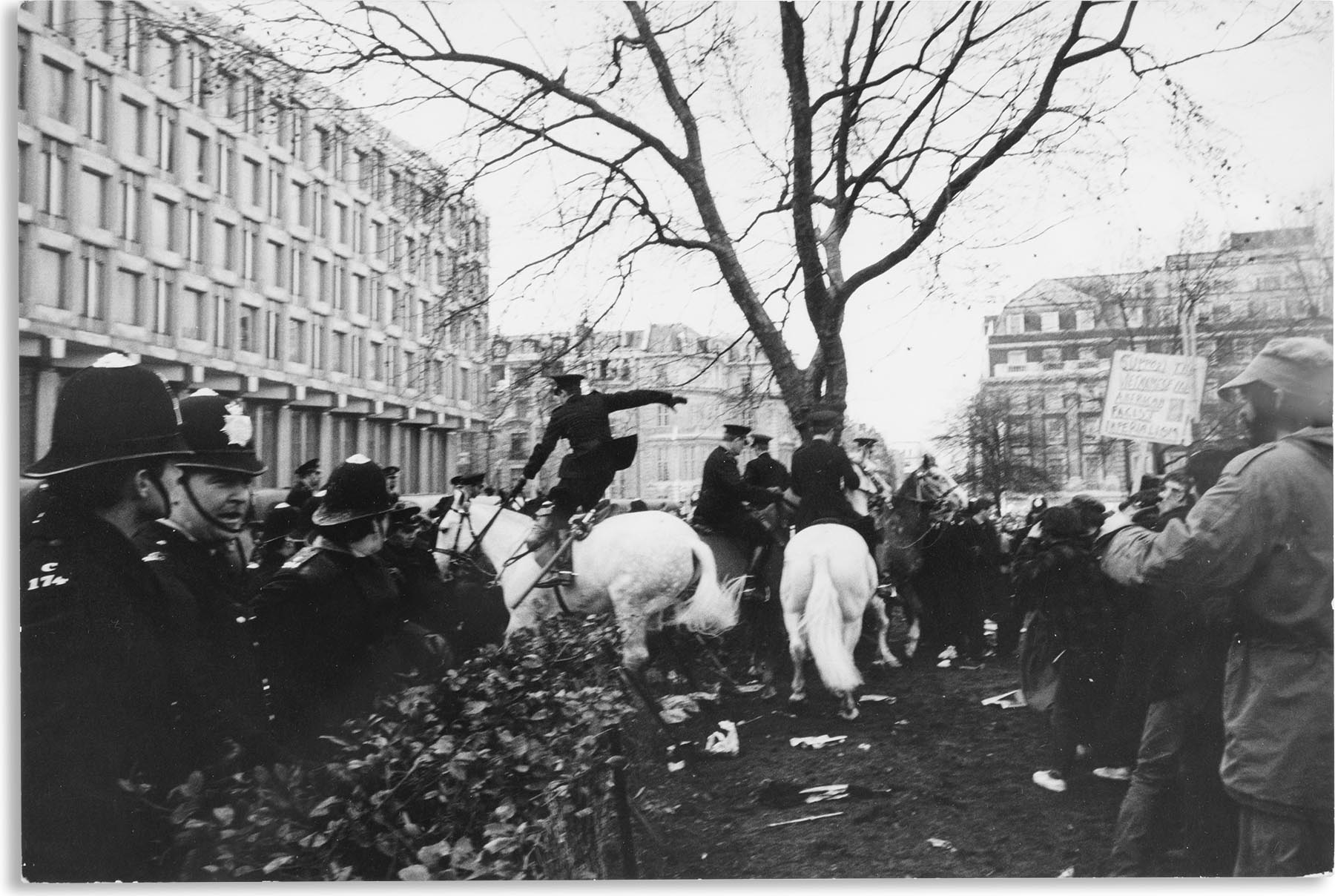
In that context researching media coverage of the 17th March 68 anti-Vietnam War protest in Grosvenor Square I came across an interesting historical by-way in the Daily Telegraph (March 68).

A TV review by the wonderfully named L Marsland Gander reports that the Prince appeared on ITV’s Face the Press programme and was questioned about Grosvenor Sq.

He began by noting that it wouldn’t have happened in World War Two but went on to suggest that ‘we live in the most regimented society that has ever existed’ and that you have to have a ‘licence to breath’.

Prince Philip was no doubt having a go at then then Labour Government but at the same time he was also echoing something of the rights of the Freeborn Englishman of Cobbett.

A particularly Royal way of defending the right to protest perhaps

https://lolaclips.com/footage-archive/itv_archive/ITV-01-0398/prince_philip_s_first_network_television_interview_1968

28 minutes in on Grosvenor Square & student revolt

Articles

The funeral of the Duke of Edinburgh: inventing traditions

In Uncategorized on April 17, 2021 by kmflett

The Funeral of the Duke of Edinburgh: Inventing traditions

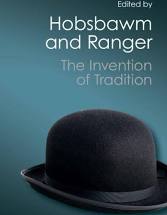
Eric Hobsbawm and Terence Ranger wrote a book on the Invention of Tradition and the points it makes are continually relevant.

All traditions are invented at some point. Many are flexible and often re-invented.

The Christian Church has been especially good at this, taking over traditions of others and re-branding them to fit.

The death of the Duke of Edinburgh on 9th April and his funeral on 17th April will no doubt be lauded in some places as great examples of how Royal tradition deals with such moments.

There are many Royal traditions including revolution (1688) and abdication (1936) but those wont be on show in Windsor on Saturday (as far as we know).

The tradition kicked in when the BBC in a mark of official forelock tugging scrapped all programmes on any channel it has that it had heard of (iPlayer escaped) on Friday and replaced them with something about Prince Philip. The result was that many viewers switched off and there were over 100,000 complaints. Perhaps that is a new tradition in the making but the scrapping of programmes appears to have related mainly to the point that when the last significant Royal death took place- the Queen Mother in 2002- the BBC had been insufficiently obsequious

In the age of social media and the interwebs all kinds of people were to be found paying their respects to the Duke who in another age would not have been heard. This is a new democratic tradition of sorts.

The funeral itself will be described in the greatest of Royal traditions with the qualification that the pandemic has dictated some limitations. Yet reports suggest Prince Philip had planned a funeral with little ‘fuss’ and laid out the detail. According to various flunkeys that one can find on the BBC news website and in the right-wing press, its all in accordance with various long-time Royal traditions. It isn’t. Prince Philip, who had some claim to be a very modest moderniser, made it up.

That is perhaps best reflected by the point that while on such great occasions the Royals traditionally wear military uniform on Saturday they probably wont. Harry lost his various Royal military sinecures when he left the UK (although he did serve twice in Afghanistan)and Prince Andrew’s reported desire to dress up as an Admiral (which he is not) is apparently pushing matters too far. So a sombre civilian clothes tradition looks likely to have been invented and no doubt commentators will explain it in hushed tones to those that are interested.

Articles

BBC Coverage of Prince Philip’s death: no regrets, but collective complaints worked

In Uncategorized on April 16, 2021 by kmflett

BBC on the coverage of Prince Philip’s death: no regrets, but collective complaints worked.

I’m a defender of public service broadcasting and certainly not a de-funder of the BBC. It has its faults-many of them- but also does excellent work, in drama, sport and much else. I’m well aware of the criticisms from the left, mostly accurate. However I’d see in some respects the BBC as the broadcasting equivalent of political democracy. As Churchill noted of that, it’s the worst possible system, except that is for the alternatives.

Ultimately you can always turn off, watch one of the many other channels or even, if you are in England, go down the pub.

Hence I hardly ever complain to the BBC. For a start as with absolutely any bureaucracy if you really want to complain you’ll need to keep at it. Your first attempt will simply be rebuffed, usually politely.

The standard response by the BBC to its Prince Philip coverage on 9th April (below) is an example. However on this occasion there was a point in complaining. Over 100,000 did and as a result the BBC’s coverage of the Duke’s funeral will, appropriately, be more measured.

The point being as often that if enough people collectively do something it will in the end make a difference…

Thank you for registering a complaint.

 The passing of HRH The Prince Philip, Duke of Edinburgh was a significant event which generated a lot of interest both nationally and internationally.

 We acknowledge your complaint about the level of coverage, particularly in relation to the BBC News Special simultaneously broadcasting on BBC One and Two on Friday 9 April. We do not make such changes to billed schedules without careful consideration.

 The decisions made reflect the role the BBC plays as the national broadcaster, during moments of national significance.

 We are grateful for your feedback, and we always listen to the response from our audiences.

 BBC Complaints Team

http://www.bbc.co.uk/complaints