Memoirs of an office worker
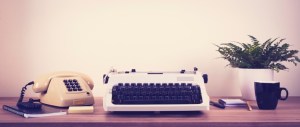
In 2020 my preferred method of working (pre-COVID) was to work from just about anywhere that is convenient. That might be my Tottenham home, my City of London office (but not too often. I’m the only occupant aside from the pigeon spies that stare in) or, my favourite, the top-deck of an off-peak 76 bus between the two locations.
Given that I started work when the only place an office worker could actually work was in the office, I do of course have some attachment to the place. But for some years, and this is in-line with the most recent office working theory and practice, I’ve only gone to an office if there was a specific reason to do so. Otherwise why do it?
Well of course there are social reasons- though in my case the pigeons dont talk that much- and as a union officer I well understand that for a variety of reasons there are some people who really are better off in the office. Dont expect to see that covered in media articles on the subject btw. The days of labour correspondents are long gone and employers asserting that its good for people to be in the office is not the same point at all.
I started work though before any of that was possible or even thought about in 1979 in the UK Civil Service as a manager (I’m still at it btw.) Most (Tory Ministers and some journalists aside) can now understand that this was the last period of that traditional office.
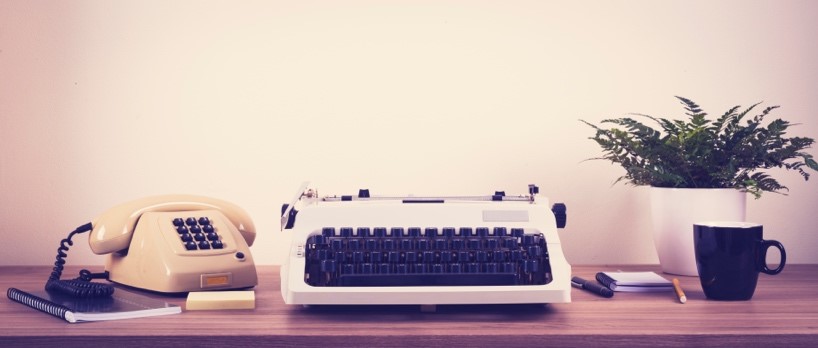
Language and grammar were not of huge importance in those days since it was simply not done for managers to type any form of document- few could type anyway (a brief hand written file note might be ok). By the late 1970s the office had progressed to ringing the dedicated typing pool on a special phone and dictating what you wanted to be typed. They would then type it and it would appear in your in-tray in a day or two.
In my case as even then I mumbled a lot the typewritten document invariably had errors which were usually corrected by applying correcting fluid and writing over in ink the correction.
There was a protocol for every occasion to avoid the need to think, which could be dangerous.
Envelopes were buff in colour and of standard sizes, A4 and A5 being the most used. Papers were placed in files (usually buff occasionally from memory green), coded and placed in a filing cabinet. (Some of this still goes on of course with legal and financial documents).
Particularly important was the colour of the tag to be used to associate papers together. I can’t now recall what justified the use of green, yellow or red tags but I do remember that using an inappropriate tag was frowned upon.
Documents came and went only in the post (even within offices) and the desk would invariably have trays for ‘in’ ‘pending’ and ‘out’.
The desk would also have a blotter. A rectangular board containing white or green blotting paper. One used this to blot the fountain pen one was using, the days of mass use of the biro still being in their infancy at this point.
Copying of documents was problematic and the usual method was to make sure that a carbon copy of whatever document the typing pool had produced was kept and appropriately filed.
Of course you didnt have to spend all day in the office. You could leave your jacket on the back of your chair and go to the pub for lunch or indeed the afternoon. These were the days when there was often too little work to do not too much. Pre-mobile and e-mail you were uncontactable in the pub although if it was urgent a junior clerk would be despatched to fetch you (after they’d had a drink as well obviously).
Those days are gone, and much as I still like a beer, that is a good thing. Not everyone wants to go to the pub in the afternoon, or indeed at all.
And yes we were all trade union members and certainly not above going on strike from time to time.
Will I be back in the office this week or soon? No. My employer is rather(and sensibly) risk averse and not really that keen on the idea..