Articles

Beard Campaigners praise medics who shave their beards to care for COVID-19 patients

In Uncategorized on April 2, 2020 by kmflett

Beard Liberation Front

2nd April

Contact Keith Flett 07803 167266

Beard Campaigners praise medics who shave their beards to care for COVID-19 patients

The Beard Liberation Front, the informal network of beard wearers, has praised medics who shave their beards so they can safely wear masks in the treatment of COVID-19 patients.

The campaigners say that while there are masks that can now be worn with a beard, the discussion on that is for another time. The key thing now is to ensure an adequate supply of masks and if that means the beard has got to go, it’s got to go.

BLF Organiser Keith Flett said, we get asked questions about medics and beards frequently. While we are normally about promoting the growth of facial hair in current circumstances those who shave their beards so they can safely wear masks have our full support. They can always grow the beard back later.

Guidance for Beard Wearers who need to wear masks

If you’re trying to protect yourself from airborne germs by using a face mask, facial hair is definitely a concern. With masks, particularly N95 respirators, a tight fit is crucial. Facial hair can render a mask ineffective if the hair isn’t allowing the mask to create the secure seal

This guidance comes from two US experts:

Suzanne Willard, PhD, APN-c, Associate Dean of Global Health at Rutgers School of Nursing

Sara Hogan, MD, MHS, Dermatologist and Health Sciences Clinical Instructor at the David Geffen School of Medicine at UCLA.

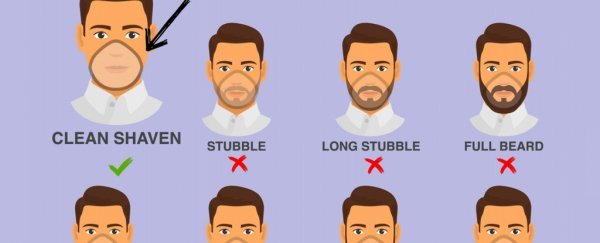
There are certain facial hairstyles that are more conducive to masks, and the CDC has a handy infographic showing styles that are better for allowing a tight seal.

Articles

Living on the Razor’s Edge. Is Shaving essential?

In Uncategorized on April 2, 2020 by kmflett

Beard Liberation Front

2nd April

Contact Keith Flett 07803 167266

Living on the Razor’s Edge* Is Shaving essential?

The Beard Liberation Front, the informal network of beard wearers, has urged clean shaven men to consider if shaving is essential at this time.

It may be questioned whether razors, shaving foam etc are essential items (any more than beard oils are) and not shaving uses less resources and is environmentally friendly.

BLF Organiser Keith Flett said, In the present moment, where appropriate, growing a beard is the socially conscious thing to do.

The BLF has issued the following guide to beard growing:

1 Do not shave and recycle all shaving equipment immediately

2  Allow facial hair to develop over a 7-10 day period

3 Wash the facial hair at least twice every day and purge any split ends

4 An organic beard grows naturally so do not trim at this stage

5 After 10 days judicious and occasional trimming may be employed. There is a fine balance between a beard that is stylish and one that is genuinely organic

6 Under trimming is better than over trimming. Over trimming may lead to having needlessly to repeat steps 1-5

*thanks to Guardian subs for this turn of phrase..

Articles

200 years ago this week, the world’s first ever General Strike took place in Glasgow

In Uncategorized on April 2, 2020 by kmflett

Scottish General Strike April 1820

Below is a document from the National Archives relating to a General Strike in Glasgow in April 1820. It was the first anywhere in the world, but others followed…


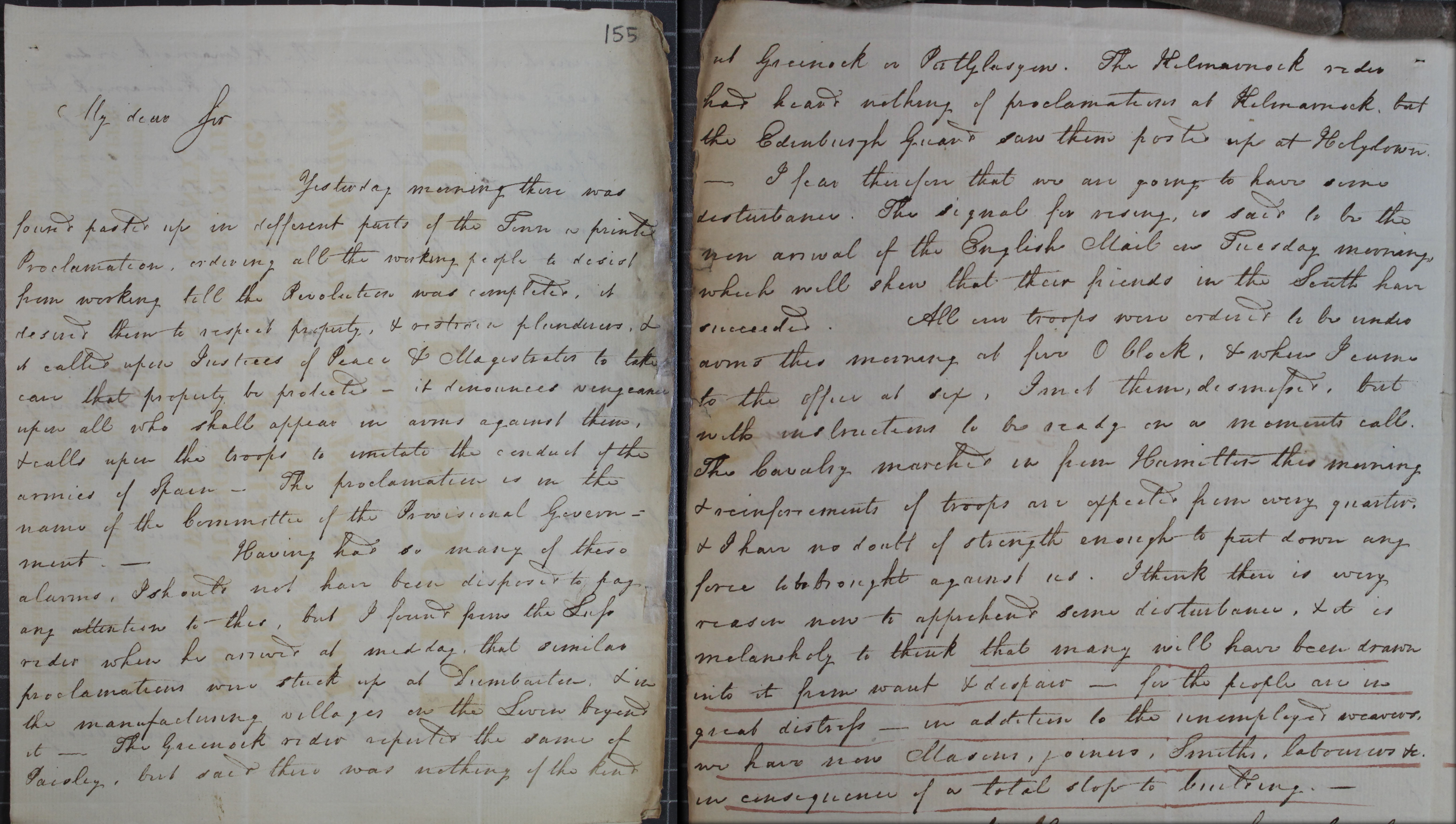
Letter addressed to William Kerr at the General Post Office at Edinburgh on the protest in Glasgow, 3 April 1820. It linked the idea of a general strike to reform, and anticipated the Chartist ‘National Holiday’ and general strike plans of 1839 and 1842. Stopping a mail coach to signal that the insurrection had begun elsewhere was a common device.

(Catalogue reference HO 33/2/33 f155)

Transcript

My Dear Sir,

Yesterday morning there was found posters up in different parts of the Town in printed Proclamation, ordering all the working people to desist from working till the Revolution was complete, it desired them to respect property and restrain plunderers and it called upon Justices of the Peace and Magistrates to take care that property be protected — it denounced vengeance upon all who shall appear in arms against them, and called upon the troops to imitate the conduct of the armies of Spain. The proclamation is in the name of the Committee of the Provisional Government —Having had so many of these alarms, I should not have been disposed to pay any attention to this, but I found from the Post rider when he arrived at midday that similar proclamations were stuck up at Dumbarton and in the manufacturing villages on the Leven [river] beyond it. The Greenock rider reported the same of Paisley, but said there was nothing of the kind

(ii)

at Greenock or Port Glasgow. The Kilmarnock rider had heard nothing of proclamations at Kilmarnock, but the Edinburgh Guard saw these posters up at Holytown. I fear therefore that we are going to have some disturbance. The signal for rising is said to be the non-arrival of the English Mail on Tuesday morning which will show that their friends in the South have succeeded. All our troops were ordered to be under arms this morning at five o’clock, and when I came to the office at six, I met them dismissed, but with instructions to be ready on a moment’s call. The cavalry marched in from Hamilton this morning and reinforcements of troops are expected from every quarter and I have no doubt of strength to put down any force to be brought against us. I think there is every reason now to apprehend some disturbance and it is melancholy to think that many will have been drawn into it from want and despair — for the people are in great distress — in addition to unemployed weavers, we have now masons, joiners, smiths, labourers etc. in consequence of a total stop to building.

Articles

April 1970: Labour Prime Minister speaks out against South African cricket tour

In Uncategorized on April 1, 2020 by kmflett

April 1970: Labour Prime Minister speaks out against South African cricket tour

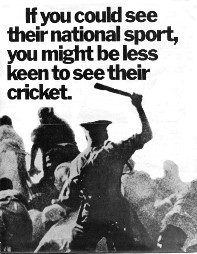
Historically its quite rare for a Labour Prime Minister to speak out in favour of demonstrations but Harold Wilson did it 50 years ago in respect of the proposed South African cricket tour of England that year.

It was ultimately cancelled, more it must be said due to the efforts of grassroots protesters than anything.

In April, Harold Wilson, the prime minister, told the BBC that the MCC had made “a big mistake” in allowing the tour to take place. “Everyone should be free to demonstrate against apartheid,” he said. “I hope people will feel free to do so.” (ESPN)

it is equally clear from the interpretation in the newspapers over the weekend, before it, and this morning that the Prime Minister’s words can be interpreted as a direct encouragement to lawlessness. Stephen  Hastings, House of Commons 20th April 1970(Hastings was a Tory MP for Mid-Bedfordshire with a security services and Southern African background https://en.wikipedia.org/wiki/Stephen_Hastings)

This year will see several accounts of the campaign:

Apartheid is not a game,Christian Hogsbjerg & Geoff Brown (Red Words)

https://bookmarksbookshop.co.uk/view/49651/Apartheid+is+not+a+Game

Pitch Battles: Peter Hain, Andre Odenaal

https://rowman.com/ISBN/9781786615237/Pitch-Battles-Protest-Prejudice-and-Play


Articles

Fidel Castro on the advantages of a working from home beard

In Uncategorized on April 1, 2020 by kmflett


With many people working from home numbers are growing beards.

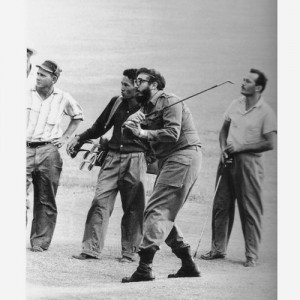
The late Cuban leader Fidel Castro, one of the most iconic of modern beard wearers, had political reasons for being hirsute but he was also very clear about the practical benefits of not shaving.

a beard has a practical advantage: You don’t have to shave everyday. If you multiply the 15 minutes you spend shaving every day by the number of days in a year, you’ll see that you devote almost 5,500 minutes to shaving. An eight-hour day of work consists of 480 minutes, so if you don’t shave you gain about 10 days that you can devote to work, to reading, to sport, to whatever you like.”

Articles

Huddersfield 31st March/1st April 1820: the start of a season of armed risings

In Uncategorized on April 1, 2020 by kmflett

Huddersfield 31st March/1st April 1820: the start of a season of armed risings
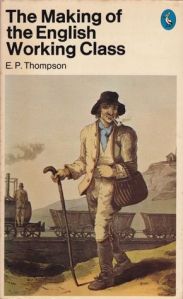
Following the failure of Cato St in London on 23rd February 1820 where a plot to kill the Cabinet was foiled by Government agents and the army, the reaction to the Peterloo Massacre on 16th August 1819 rolled on.

It may be that the introduction of the Six Acts at the start of 1820 which severely constrained democratic political activity shifted the emphasis on radicals minds to armed activity.

The event that sparked a whole series of attempted risings and a General Strike in Scotland took place on the night of March 31st/April 1st in Huddersfield.

There is an excellent account of the wider Yorkshire picture by Fred Donnelly here:

https://web.archive.org/web/20080919093017/http://www.zyworld.com/albionmagazineonline/yorkshire_rebellion.htm

His account of the events in Huddersfield is below

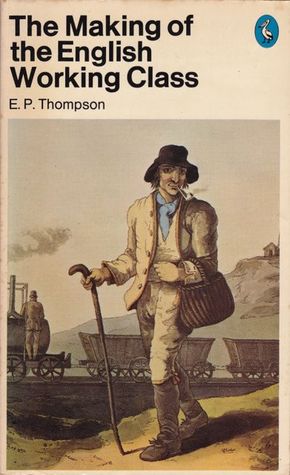
Frank Peel a local mid to late Victorian historian of the area wrote about the rising in his book Spen Valley Past and Present. E P Thompson comments in detail about Peel’s historical method in his January 1968 introduction to a new edition of Peel’s book The Risings of the Luddites. Thompson argues that Peel is a credible historian. While relying on oral testimony from people many decades after events took place he carefully checked accounts against records.

Even so as Thompson also underlines what went on at Huddersfield 205 years ago this week was done covertly. It was meant to be secret, organised by word of mouth and accounts or plans by participants did not appear for that reason.

Peel writes:

On the night of 31st March 1820 a simultaneous rising was appointed to take place across the West Riding. Emissaries from clubs and other political and trade organisations had been flitting about the Spen Valley and beyond for a long time, most of them hailing from Barnsley, which may be regarded as the headquarters of the riot…The first item in the plan of this campaign was the capture of the town of Huddersfield and it was arranged that detachments from other towns should surround and attack the place simultaneously.

Huddersfield March 31st 1820 by Fred Donnelly

Huddersfield (population about 13,000) was an important town in the wool textile industry of Yorkshire’s West Riding. Handloom weaving was a major occupation, and there were heavy concentrations of weavers in the many small villages surrounding the town. Thoroughly radicalized by the events of 1819, these districts were also experiencing great economic hardship at the beginning of the year 1820.

After elaborate planning, the region’s radical clubs decided to attack the lightly-defended town of Huddersfield on 1 April 1820. The final signal to begin the assault was given to a radical clothdresser, one Joshua Hirst of Deighton, at seven p.m. on the evening of 31 March. It came from Huddersfield in the form of half a card; when matched with the half he held, it formed the word ‘DEMOCRACY.’  Within hours hundreds of men were on the march, accompanied by the sound of assembly bugles and the firing of signal rockets, to four assembly points around Huddersfield. A witness reported the insurgents as claiming that the “Revolution was to begin this evening.” [Evidence of Samuel Norcliffe, clothier of Mirfield, Apr. 1820, P.[ublic] R.[ecord] O.[ffice], T[reasury.S.[olicitor] 11 1013/4131.] It is important to note the overall size of these contingents. About 2,000 men were involved, including a ‘fifth column’ of a few hundred within Huddersfield itself.

Meanwhile the magistrates and local soldiery took up a defensive position at the George Inn, Huddersfield, and waited for the attack. Then, for reasons that are not at all clear, the attack was called off. Hundreds of armed men slipped away into the night, no serious casualties were inflicted by either side, and no arrests were made at the time. Subsequently four Huddersfield radicals were arrested and tried. John Peacock (labourer) and John Lindley (nailmaker) were transported to Tasmania, while Nathaniel Buckley (journeyman clothier) and Thomas Blackburn (cardmaker) were pardoned after two years’ incarceration in the hulks. A number of individuals known to the authorities as participants in the Huddersfield rebellion were never apprehended. [Deposition of Joshua Hirst of Deighton, 3 Apr. 1820 and many others in P.R.O., H[ome].O[ffice]. 40/12 and T.S. 11 1013/4131, Leeds Mercury, 6, 8 Apr. 1820, Leeds Intelligencer, 10, 17 Apr. 1820, York Courant, 4 Apr. 1820, P.R.O., Criminal Registers, H.O. 27/20 and Hulk Reports H.O. 9/9, Wakefield and Halifax Journal, 11 Oct. 1822.]

Articles

Tony Benn on the poll tax demonstration, 31st March 1990

In Uncategorized on March 31, 2020 by kmflett

Tony Benn on the poll tax demonstration 31st March 1990

Below are a couple of edited passages from what Tony Benn wrote about the poll tax demonstration which took place 36 years ago.

Benn avoids commenting on the riot that took place at the end of the demonstration beyond underlining that in his view the way it was policed didn’t help, at best.

While there may well have been people who wanted matters to end in some form of riot-and realistically it was probably the coverage this got that gave a significant impetus to the non-payment campaign, in reality it is very difficult for quite small groups to create a riot- as opposed to some disorder-and it is very often related to mistakes in policing that push others to join in.

There remains much work to be done to fully understand the nature of riots- as I’ve written before they are not something that can be predicted.

Saturday 31st March

To the anti-poll tax demonstration, which started from Kennington Park and marched to Trafalgar Square.

We came up Whitehall and on into Trafalgar Square, which was absolutely crammed. There must have been 150,000 people… before I was due to speak the rally was stopped because of the trouble that had occurred.

I got off the platform and began walking back down Whitehall but found the police had thrown a barrier across the road so that people couldn’t get up or down, though they let me through. In the crowd I found myself being pressed from behind by riot police and mounted police. People were terribly frightened. I forced my way through until I came to the line of police who didn’t look like police at all….

Wednesday 11th April

Most of the letters are pretty supportive. Three Anglican bishops, a Catholic bishop and five free churchmen came out today in favour of non-violent protest against the poll tax.

Articles

Beard of Spring poll 2020 closes 10th April. Who will shave who?

In Uncategorized on March 31, 2020 by kmflett

Beard Liberation Front

31st March

Contact Keith Flett 07803 167266

Beard of Spring 2020 poll closes 10th April. Who will shave who?

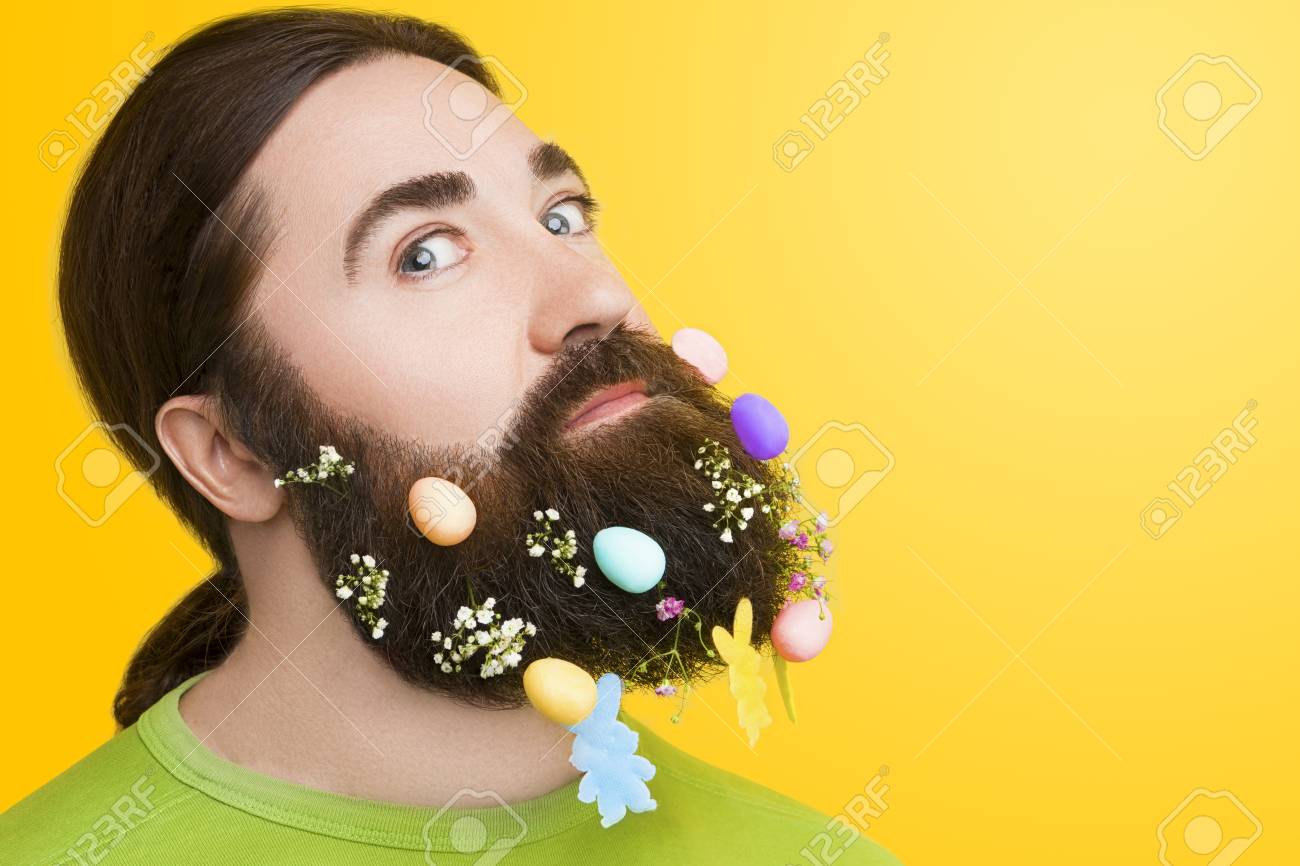
Happy Easter concept. Male man with beard with spring flowers and easter eggs

The Beard Liberation Front, the informal network of beard wearers, has said that voting will close for the coveted Beard of Spring Award on Good Friday 10th April at midday.

Competition is bristling for the traditional Easter accolade.

Beard of Spring is the second of four seasonal awards that lead to the Beard of the Year in December.

The campaigners say that while the second seasonal award of the year traditionally focuses on new beard growth with Easter so late, the focus is more on those whose beards have appeared in a positive public light during the quarter.

BLF Organiser Keith Flett said, the poll is a chance to focus on something a little more positive at the moment, namely who has the best beard of the Spring. It is a choice that can be made without the need to go outside at all.

Beard of Spring 2020 shortlist

Vaughan Gething, Welsh Health Secretary

Wayne Rooney, footballer

Mikel Arteta, football manager

Alun Wyn Jones, rugby player

Eric Cantona, philosopher

Daniel Norcross, broadcaster

Steve Bell, cartoonist

James Calder, CEO, SIBA

Jeremy Paxman, broadcaster

Roger Waters, musician

Richard Osman, Pointless

Articles

A continuing supply of history required from Michael Rosen: get well soon

In Uncategorized on March 31, 2020 by kmflett

Michael Rosen and History Workshop

Ive been sorry to read that Michael Rosen is unwell and the London Socialist Historians and myself have sent Michael best wishes for a speedy recovery. This is not least because Michael has so far only published one volume of his memoirs. As I note below there is clearly material from this period for a companion volume as well as volumes covering subsequent periods. We very much hope for a continuing supply of history from Michael

(From 2017)

Michael Rosen is known as a poet, author, broadcaster and of course socialist activist. He also has a beard and supports Arsenal.

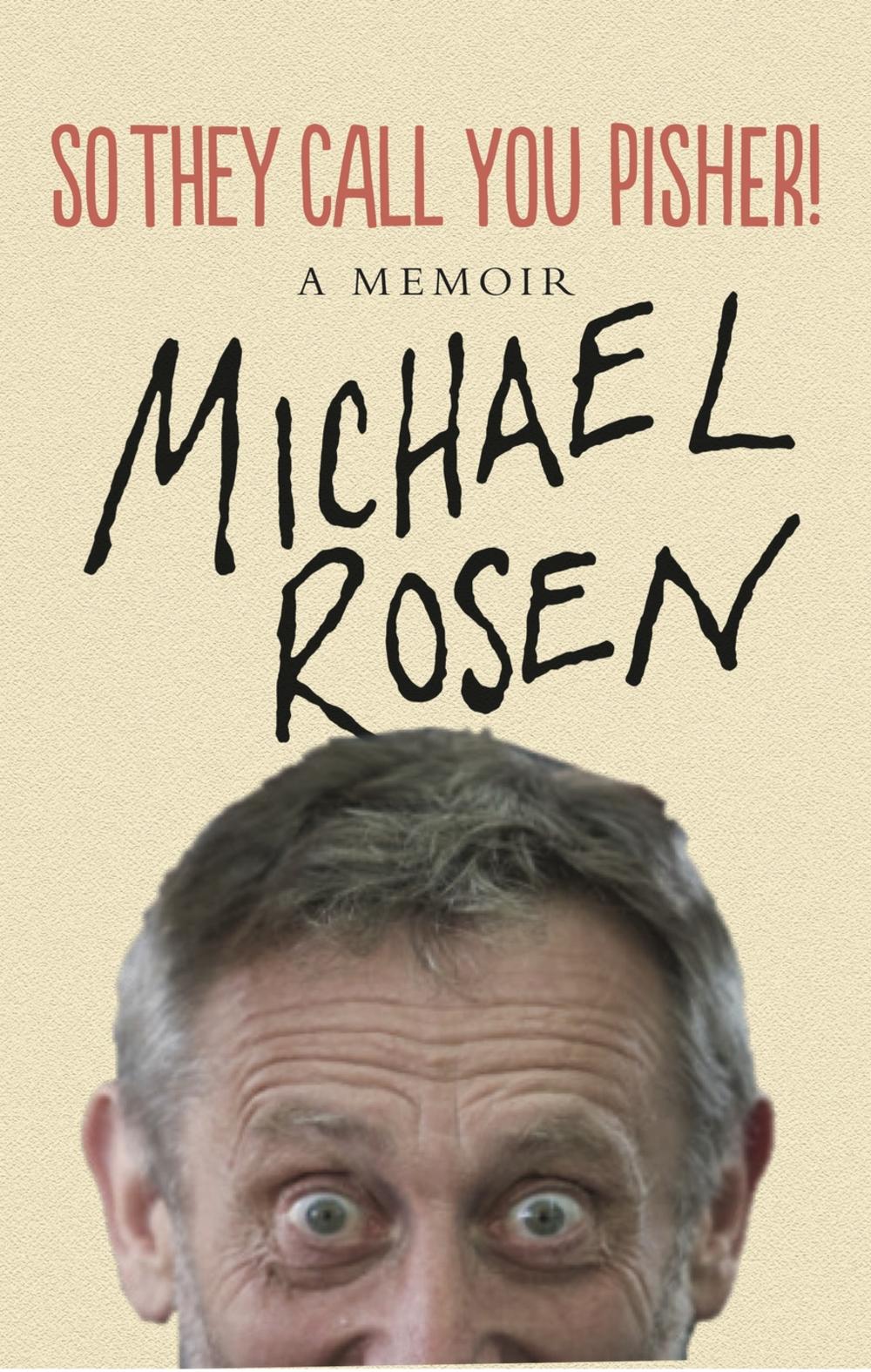
His new memoir, They Call Me Pisher, is out from Verso and is of course fascinating reading. At the London launch Rosen noted that much material had been edited out before publication and it would indeed be interesting to see the author’s cut of the book as it were.

One thing that Rosen is perhaps not particularly associated with is socialist history. However the book contains a fascinating vignette of the early period of History Workshop in Oxford, where Rosen was at college.

Rosen was clearly far from happy with the stultified air and archaic content of some of the lectures he attended at Oxford but found History Workshop to be an exciting new development in the months before the May events in Paris in 1968.

Rosen notes that some people,though not himself, felt senior figures broadly associated with the movement such as E P Thompson, Christopher Hill and Eric Hobsbawm were ‘infected’ by Stalinism but that Raphael Samuel, who ran the Workshop at Ruskin, had a base of working-class, trade union focused, students who were doing interesting research.

He suggests ‘this was a new history that drew on some of the work that sat on our shelves at home, in the fading red covers of the Left Book Club’.

One might argue that it was and it wasn’t. While people like Thompson and Hill drew their politics from that time, and the Popular Front politics of the mid-1930s Communist Party, they too were part of the upheavals of the late 1960s. Hill’s The World Turned Upside Down or Thompson’s work on the moral economy and riots were not the kind of thing that the Left Book Club would have been likely to have approved of.

Rosen writes of his participation in History Workshop events but connects their wide-ranging nature to the mood of the times. He argues that at the LSE occupation the whole college had become like a ‘permanent’ History Workshop with questioning of the traditional content of the courses.

Then came May 1968.

Articles

Beard Liberation Front advice on social distancing to over-zealous police officers

In Uncategorized on March 31, 2020 by kmflett

Beard Liberation Front

31st March

Contact Keith Flett 07803 167266

Beard Liberation Front advice on social distancing to over-zealous police officers

The Beard Liberation Front, the informal network of beard wearers, has said that it is important that the hirsute stick closely to social distancing guidelines when outside.

The campaigners say that with official guidelines requiring a social distance of 6 feet this would equate to 12 beard lengths assuming an average beard length of six inches.

It is repeating the advice so that over zealous police officers can offer sensible guidance on the matter

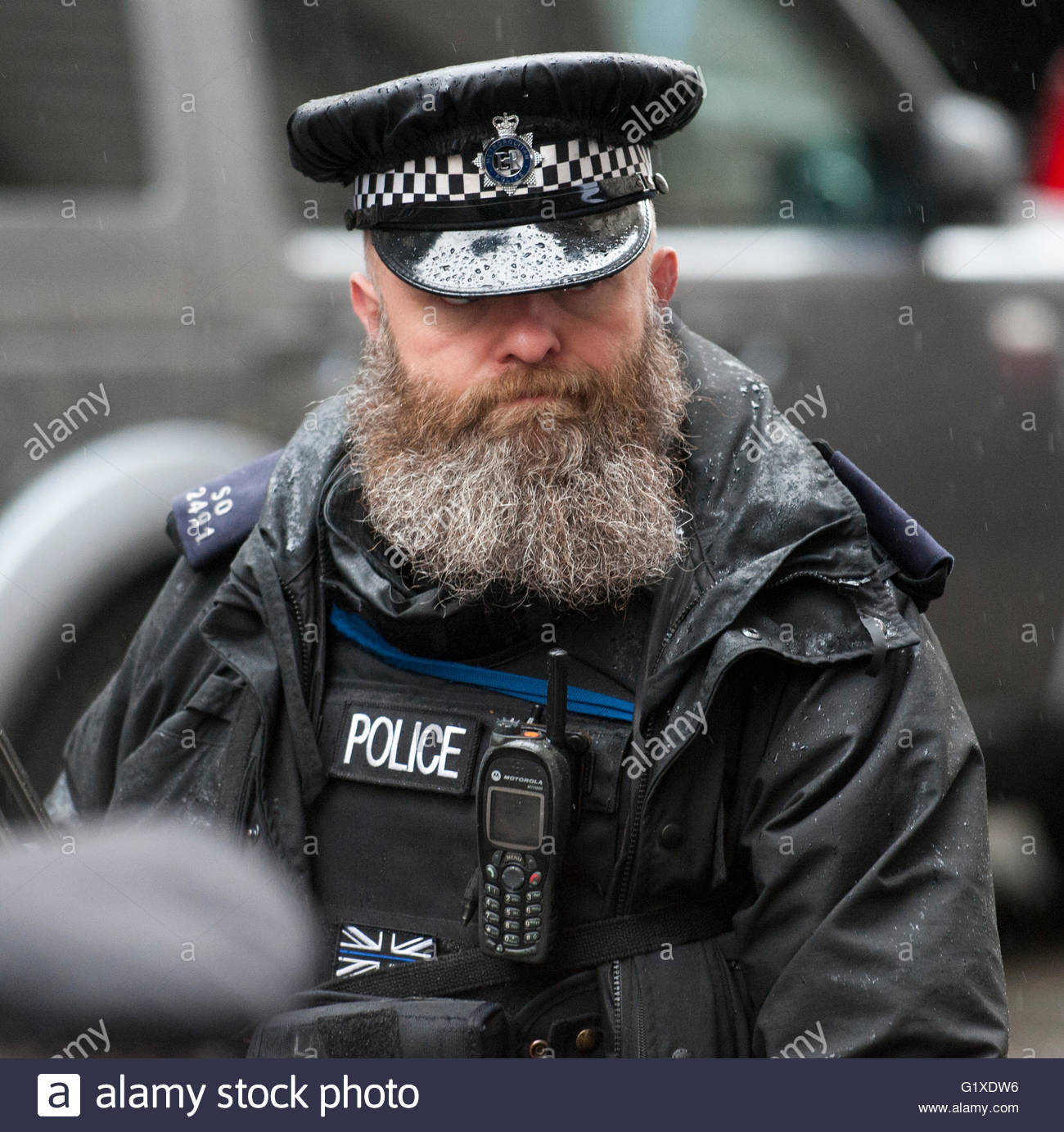
BLF Organiser Keith Flett, many police officers in 2020 have beards and we are sure they are implementing social distancing policy based on Government and BLF guidelines. A small minority of clean shaven officers have yet to grasp how it works it seems.