Articles

Campaigners say Scott Wagstaff’s beard power can help AFC Wimbledon in FA Cup tie

In Uncategorized on February 16, 2019 by kmflett

Beard Liberation Front

16th February

contact Keith Flett 07803 167266

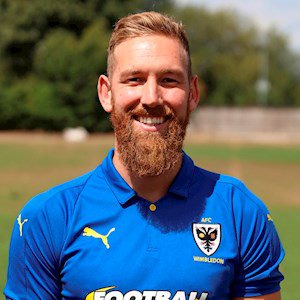
The Beard Liberation Front, the informal network of beard wearers, has said that AFC Wimbledon’s Scott Wagstaff, and his award winning beard, could be key to the outcome of today’s FA game with Millwall.

Scott Wagstaff was voted the sexiest Valentine’s beard 2019 on Thursday, shaving the likes of Jeremy Corbyn and Idris Elba for the honour in the annual on-line poll.

He promptly celebrated by carrying out the promise he had made after the side beat West Ham in the previous round of the Cup and got his beard dyed in AFC Wimbledon colours, yellow and blue.

BLF Organiser Keith Flett said, if Scott Wagstaff is on the pitch we think his award winning beard could distract the perpetually clean shaven Millwall side and help AFC Wimbledon to a famous victory


Articles

Jacob Rees Mogg the History Man. Update 3: The Boer War

In Uncategorized on February 15, 2019 by kmflett

Jacob Rees-Mogg the History Man. Update 3

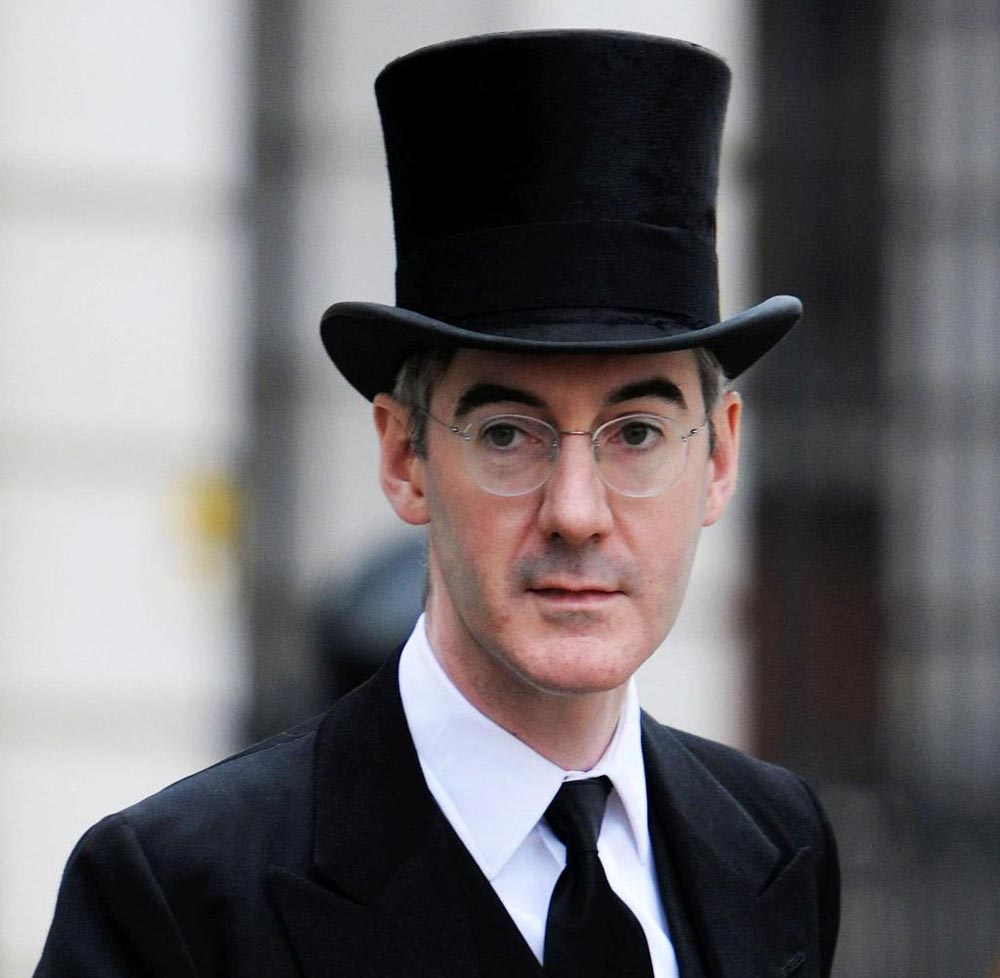
The hard-right Tory MP Jacob Rees-Mogg, spends his time as a businessman investing abroad while pushing for Britain to leave the EU. He also displays Victorian social attitudes.

Rees-Mogg father William was Editor of the Times whose most useful public act was to try and prevent the sale of the paper to Rupert Murdoch.

William graduated with a history degree and Jacob did the same from Trinity College, Oxford.

Little might be thought of Jacob Rees Mogg’s upper second-class history degree were it not for the fact that he has recently started making historical comparisons with current events while making interventions on the EU debate from, of course the perspective of the hard right.

A number of well-known MPs in recent years have held history degrees. George Osborne for example had one, although he displayed as much historical knowledge as did economic while Chancellor- that is none. Gordon Brown, also had a history qualification and to his credit had both written some labour history and showed some historical sense.

Rees-Mogg is in a slightly different class in the sense that it is difficult to work-out whether his occasional historical pronouncements are in fact related to historical knowledge he gained while studying for his degree or simply off the cuff comments.

His first historical comment on Theresa May’s Brexit plans was that they risked splitting the Tory Party in the way Peel had done in 1846 over the Corn Laws. Broadly this might seem a decent historical point. Peel repealed the Corn Laws which made bread cheaper (and hence allowed employers to lower wages) which was not in the interest of the landowning and farming elements of the Tory Party. It was however in the interests of British capitalism in general as the country became increasingly industrialised. To suppose that whatever Ms May thinks she is doing on Brexit is about the best future for capitalism is where Rees-Mogg’s point fall down. His line however is that in failing to pursue a hard Brexit May is facilitating a split in the Tory Party as Peel did.

His second historical intervention related to the Treaty of Goulet in 1200. While 1846, even if it is well over 150 years ago, is still very much within the broad economic and political framework in which, unfortunately, Britain still operates, the beginning the thirteenth century is not.

The Treaty was about King John handing over some English controlled land in France in return for French recognition of him as King of England. It will be remembered that in 1066 the French had successfully invaded and taken control of the English crown, so one might think that King John was not in the best negotiating position.

Rees-Mogg point was that the concessions made to the French were of the same scale as those made by Theresa May’s Chequers plan for Brexit. It is difficult to see this as a serious historical point.

That is perhaps the key thing about Rees-Mogg the history man. It is remarkably difficult to discover what period of history he actually studied at Oxford, although we do know that he spent time laying down the basis of his later Conservative political career.

I was able to track down someone who had been a fellow student in one seminar group at Oxford with Rees-Mogg who was studying Anglo-Saxon history pre-1966 but they remarked that the degree course was eclectic.

Most recently he has suggested that Theresa May’s EU deal will make Britain a slave State. The above student tweeted on 14th November that since they had studied slavery with him at Oxford he must know this is BS (notwithstanding one’s views on May’s deal).

Jacob Rees-Mogg does know some history but don’t confuse that point with his political pronouncements.

Update #1

Rees Mogg in an interview for the Xmas 2018 edition of the BBC History Magazine has said that his favourite historical figure is nineteenth century Tory Prime Minister Benjamin Disraeli. DIsraeli was responsible at Governmental level for the 1867 Reform Act which extended the franchise. He was also responsible for a number of other rather less progressive things and I will post on that later in December

Rees Mogg says:

My history hero: Jacob Rees-Mogg chooses Benjamin Disraeli

“Benjamin Disraeli was a flamboyant, enormously engaging romantic with a way with words, who was also very good at the showmanship side of politics”: Jacob Rees-Mogg, Conservative MP, chooses a 19th-century prime minister

Update #2

In a further puzzling historical reference Rees-Mogg suggested that while Theresa May had won the confidence vote of Tory MPs on 12th December she should anyway offer her resignation as Prime Minister in accord with constitutional conventions. One wonders which he had in mind. Britain does not have a fully written Constitution but a number of established processes and laws based on the fact that it remains a Constitutional Monarchy rather than a Parliamentary Democracy as such.

The Queen or her representative has the power to dismiss the Prime Minister, as happened with Gough Whitlam in Australia in 1975. In the UK the most recent addition in the area of Elections was the Parliament Act passed in the Cameron/Clegg era which makes it difficult but not impossible to hold a General Election before the full 5 year term has elapsed. Perhaps Rees-Mogg thinks May should go to Parliament and ask for a dissolution. It would be a good idea but I’m not sure, after the last time she did it, that it will happen again

Update #3

Jacob Rees Mogg’s latest outing as a history man came on the BBC QT programme on 14th February. Defending Churchill after John McDonnell’s comments about TonyPandy, Rees Mogg opined on the Boer War (1899-1902) in which Young Winston fought. Neither the British or the Boers were progressive but in an imperial battle Britain had the upper hand. In gaining it the British interned thousands of Boers in concentration camps in poor conditions. Thousands died which under Kitchener was one lever the British used to defeat the Boers. As Rees Mogg pointed out the camps were not the same as the Nazis death camps, but what he didn’t manage to point out was that the underlying principle- not the practice- was the same. He also opined that the actual mortality rate in the camps was the same as Glasgow at the time and that one had to understand the history of the Boer War rather than look at matters from the perspective of 2019. No doubt but from whichever standpoint one takes there is no question that the British pioneered the use of internment and camps. Whether Rees Mogg has studied the period is a moot point (see above)


Articles

15th February 2003: 16th anniversary of the biggest protest in UK history

In Uncategorized on February 15, 2019 by kmflett

15th February 2003: 16th anniversary of the biggest protest in UK history.
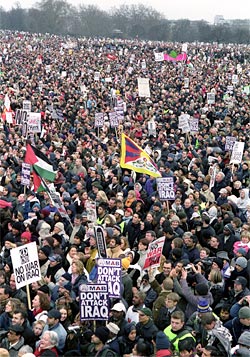
It is sixteen years since the biggest march in British history, against war in Iraq, on Saturday 15th February 2003.

Below is what I wrote on the 10th anniversary.

The march is not yet history and is some way from being so. The political arguments about war, imperialism, defence and intervention continue and many of the leading players in 2003 remain active today.

It does however continue to be important to keep remembering that the event took place and left a mark on a generation. Perhaps not surprisingly the blockbuster film has yet to appear and perhaps never will. But what happened and what it achieved should continue to be something that is discussed and debated.

__________________________________________________________________________

10 Years After: The Historical lesson of 15th February 2003- Keep Marching On

Many readers of this will have been on the central London demonstration called by the Stop the War Coalition on Saturday 15th February 2003 as I was myself.

It was the biggest demonstration in British history and remains so.

The British Government still has imperial ambitions, as Libya and Mali underline. But whereas before that cold Saturday ten years ago it would have been a minority of left and peace voices that spoke out, today it is legitimate for a broad range of opinion to question why the country is intervening in  wars elsewhere and what purpose it serves.

The media are unlikely to be devoting special supplements and programmes to the anniversary although in truth that is what it deserves. The Stop the War Coalition have held a conference to mark the continuing fight against neo-liberalism and war.

Making sure the demonstration is remembered and underlining the historical point that popular mobilisations make a difference is important.

While there were many young people on the march, the fact remains that there are people in their twenties today who are too young to have either been on the march or to remember it. If in today’s environment it was said,’ we can mobilise well over a million in people in central London for an important issue’, eyebrows might well be raised. Yet just 10 years ago we did exactly that.

So making sure that the event is remembered and remains in the popular memory is an important task not just for historians but for the left generally.

For those who were there, and it was estimated that someone from most households across the UK was, the question ten years on remains one of what impact was made, and whether marching changes anything.

Here history can provide some pointers.

As the historical sociologist Charles Tilly argued in his book Repertoires of Contention- looking at Britain in the late eighteenth and early nineteenth centuries- people fighting injustice can follow a range of strategies. These can vary from petitions through strikes to armed revolts and from riots to large indoor meetings that agree to lobby Parliament.

It depends what is thought to be effective at the time and what mobilises numbers for the maximum impact. In recent times a march with a large and broad turn-out, although far from the only strategy, has often made a significant and sometimes lasting political point.

There is another angle made by the late Peter Sedgwick in his introduction, Farewell, Grosvenor Square to David Widgery’s 1976 volume about the left in the 1960s.

Sedgwick argues that until the rise of CND in the late 1950s the idea of going on a demonstration to make a political point seemed an odd one for many. If you wanted change you wrote to your MP and voted for a Government from time to time.

The minority who did march were watched by many more from the nearest pavement.

From the 1960s all that changed. As Sedgwick noted when delivering leaflets door to door for a protest the reaction was no longer puzzlement from the householder but ‘thanks luv see you at t’demo then’.

Even if a march does not have the precise consequences that were  desired it often does beg significant political questions and may do so long after the last marcher has returned home.

That’s why it is important to keep remembering that cold Saturday of 15th February 2003 and to keep in mind that it can happen again.

But while we are remembering 15th February it is important not to forget some other points.

The march did not stop the drive to war with Iraq as the usual suspects have been busy reminding us. But the war itself did not come until a month later on March 19/20th 2003. At that point the aim of anti-war activists was to take protests beyond demonstrations towards walk-outs and industrial action. Numbers did take place, but not sufficient numbers to reinforce the impact of 15th February. It suggests that in the circumstances of the time the mass march was far from being our best strategy to stop the war but in fact the best shot we could muster. Unfortunately it was not enough

Finally a literal footnote. Despite the concern of the Royal Parks and Culture Secretary Tessa Jowell the grass in Hyde Park survived the march and last time I checked was still thriving.


Articles

Socialist historians support student protest on climate change: we demand a continuing supply of history

In Uncategorized on February 15, 2019 by kmflett

London Socialist Historians Group

15th March

Contact Dr Keith Flett 07803 167266

Socialist Historians support new student protest on climate change: we demand a continuing supply of history

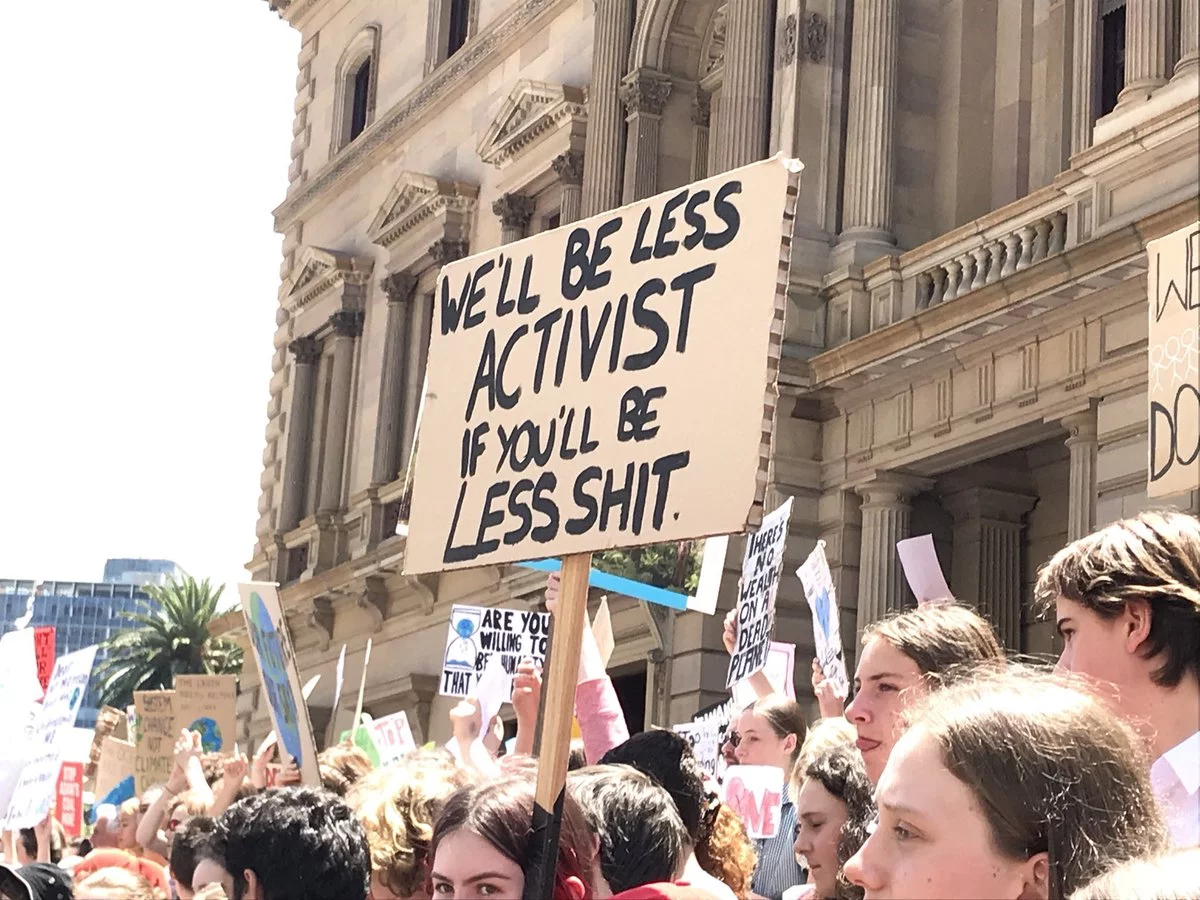
The London Socialist Historians Group which organises the socialist history seminar at the Institute of Historical Research at the University of London, Senate House (currently suspended due to the IWGB boycott) has said it fully supports student action on climate change on 15th March

Seminar convenor Dr Keith Flett was one of several hundred academic signatories to a support letter that appeared in the Guardian supporting the first climate strike in February:

https://www.theguardian.com/environment/2019/feb/13/school-climate-strike-childrens-brave-stand-has-our-support

The historians say that the bottom line is that unless climate change is addressed the likelihood of human civilisation continuing in its present form is limited. Without that there is no guarantee of a future supply of history for historians to research.

LSHG Convenor Dr Keith Flett said, We are always inclined to support protests by young people. In this case the matter being protested about impacts on every single one of us, but particularly the youth who will have to grapple with the unpleasant realities of climate change if it is not dealt with. They are right to protest. Amongst other things they are seeking to ensure that history continues.

Articles

My Hairy Valentine AFC Wimbledon’s Scott Wagstaff marks honour with beard enhancement

In Uncategorized on February 14, 2019 by kmflett

Beard Liberation Front

Press Release 14th February

Contact Keith Flett 07803 16726

My Hairy Valentine 2019 AFC Wimbledon’s Scott Wagstaff marks occasion with a beard enhancement

AFC Wimbledon

The Beard Liberation Front, the informal network of beard wearers, has welcomed news that the winner of the 2019 My Hairy Valentine poll for sexiest beard AFC Wimbledon player Scott Wagstaff has kept his promise to get his beard coloured blue and yellow ahead of a vital FA Cup clash with clean shaven Millwall.

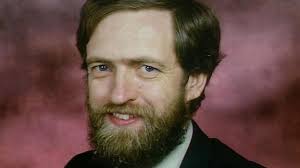
The vote for My Hairy Valentine, sexiest beard title, ha concluded with the 2018 winner Jeremy Corbyn being shaved for the title by Wimbledon AFC footballer Scott Wagstaff.

Wagstaff played a key role in the team’s recent FA Cup victory over West Ham

The poll produced 4 serious contenders in its final stages:

Scott Wagstaff

Jeremy Corbyn

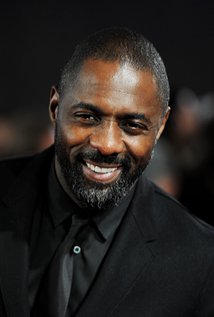
Idris Elba

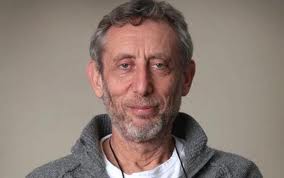
Michael Rosen

However support for Wagstaff saw off challenges from Jeremy Corbyn, Idris Elba and Michael Rosen for the coveted Award

The BLF says that contrary to pogonophobic mythology many beards are soft, sexy and deeply mysterious.

Jeremy Corbyn was voted My Hairy Valentine in 2018 while in 2017 Idris Elba shaved the opposition

The BLF says that whether a beard is sexy or not is in the eye of the beholder but the Award is focused on beards in the public eye, whether celebrities, politicians, musicians or sports stars.

BLF Organiser Keith Flett said, by colouring his beard in Wimbledon colours Scott Wagstaff has not only made it more sexy but added a touch of gravitas too

The BLF criteria for sexiest beard is listed below

My Hairy Valentine Shortlist

Idris Elba

Prince Harry

Tom Jones

Gary Lineker

Jeremy Corbyn

Ted Cruz

Aron Gunnarrson

Len McCluskey

Scott Wagstaff

Mauricio Pochettino

Piers Morgan

George Clooney

Michael Rosen

Paddy McAloon

What is the criteria for the sexiest Valentine’s Day Beard?

Beauty is in the eye of the beholder & likewise what people find sexy can vary widely

1] A beard from Clint Eastwood stubble to full Brian Blessed organic

2] A stylish deployment of the beard, at least sometimes in the public eye

3] An attractive disposition in relation to the beard (the fulfillment of this criteria is up to the voter)

4] An appealing beard in terms of length, colour, style. Again its a matter for the voter


Articles

Sexiest Valentine’s Day beards named

In Uncategorized on February 14, 2019 by kmflett

Beard Liberation Front

Press Release 14th February

Contact Keith Flett 07803 167266

Wimbledon’s Scott Wagstaff shaves Jeremy Corbyn for 2019 My Hairy Valentine, sexiest beard award


The Beard Liberation Front, the informal network of beard wearers, has said that the vote for My Hairy Valentine, sexiest beard title, has concluded with the 2018 winner Jeremy Corbyn being shaved for the title by Wimbledon AFC footballer Scott Wagstaff.

Wagstaff played a key role in the team’s recent FA Cup victory over West Ham

The poll produced 4 serious contenders in its final stages:

Scott Wagstaff

Jeremy Corbyn

Idris Elba

Michael Rosen

However support for Wagstaff saw off challenges from Jeremy Corbyn, Idris Elba and Michael Rosen for the coveted Award

The BLF says that contrary to pogonophobic mythology many beards are soft, sexy and deeply mysterious.

Jeremy Corbyn was voted My Hairy Valentine in 2018 while in 2017 Idris Elba shaved the opposition

The BLF says that whether a beard is sexy or not is in the eye of the beholder but the Award is focused on beards in the public eye, whether celebrities, politicians, musicians or sports stars.

BLF Organiser Keith Flett said, congratulations to Scott Wagstaff he is a grassroots footballer but his beard is anything but

The BLF criteria for sexiest beard is listed below

My Hairy Valentine Shortlist

Idris Elba

Prince Harry

Tom Jones

Gary Lineker

Jeremy Corbyn

Ted Cruz

Aron Gunnarrson

Len McCluskey

Scott Wagstaff

Mauricio Pochettino

Piers Morgan

George Clooney

Michael Rosen

Paddy McAloon

What is the criteria for the sexiest Valentine’s Day Beard?

Beauty is in the eye of the beholder & likewise what people find sexy can vary widely

1] A beard from Clint Eastwood stubble to full Brian Blessed organic

2] A stylish deployment of the beard, at least sometimes in the public eye

3] An attractive disposition in relation to the beard (the fulfillment of this criteria is up to the voter)

4] An appealing beard in terms of length, colour, style. Again its a matter for the voter


Articles

Tony Benn on Winston Churchill

In Uncategorized on February 14, 2019 by kmflett

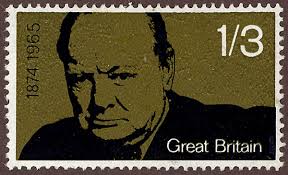
Churchill stamp design promoted by Tony Benn when he was Postmaster General. It doesnt contain the Queen’s head and it wasnt put into production!

How people are remembered (or indeed forgotten) changes in each generation but as can be seen from John McDonnell’s reference to TonyPandy, Churchill remains a controversial figure in Britain’s past

It is interesting to reflect how he was remembered at the time of his death in 1965 by Tony Benn.

Benn records in his Diary that Churchill had been in touch with the family in the 1940s and had been a supporter of his campaign to renounce his hereditary peerage and become an MP again in 1963.

Perhaps it is not surprising that on the day of Churchill’s death Benn wrote in his diary that he was ‘one of the greatest Englishmen of our time’. Partly Benn had not yet fully made the move to the left that he took in the 1970s. Indeed in 1965 he was Postmaster General in Harold Wilson’s Labour Government.

Benn records that politics would be put into ‘cold storage’ for a week and it was probably the case that Churchill  was the last political leader- partly because of his wartime role- where there was some degree of national agreement on the significance of his life and death. Certainly there were none of the protests and dissent seen when Mrs Thatcher died.

The Postmaster General’s first move was to approach Wilson with a plan to issue a commemorative stamp featuring the picture of the Queen and Churchill. It related to Benn’s campaign to remove the monarch’s image from stamps altogether and it is clear that even with a figure like Churchill, Wilson regarded the idea as doubtful.

Later in that final week of January fifty years ago Benn took his family to see Churchill lying in state at Westminster Hall. He notes that young Joshua Benn thought he was going to a Lyons Steak house and was perplexed as to who Churchill was.

Benn returned to this theme on the day of the funeral at St Paul’s Cathedral which he attended with Caroline Benn. He notes in his diary that ‘there were thousands of troops standing there and the crowds on each side were extremely heavy’.

His regard for Churchill notwithstanding Benn noted that the funeral made him feel uneasy. It was attended by an array of world leaders but Benn thought it the ‘last great Victorian festival’ and left as soon as decently possible.

Some might argue that 50 years on Britain is now a long way off the imperial era represented by Churchill, yet the State pomp and circumstance seen at his funeral is still very much part of the way the British Establishment goes on. The same monarch remains on the throne and politicians with very much the same kind of class and educational pedigree of Churchill himself sit in the Cabinet.

As the Sex Pistols noted in 1977 ‘there is no future in England’s dreaming…’

Articles

Wimbledon’s Scott Wagstaff shaves Jeremy Corbyn for 2019 My Hairy Valentine, sexiest beard award

In Uncategorized on February 14, 2019 by kmflett

Beard Liberation Front

Press Release 13th February

Contact Keith Flett 07803 167266

Wimbledon’s Scott Wagstaff shaves Jeremy Corbyn for 2019 My Hairy Valentine, sexiest beard award

The Beard Liberation Front, the informal network of beard wearers, has said that the vote for My Hairy Valentine, sexiest beard title, has concluded with the 2018 winner Jeremy Corbyn being shaved for the title by Wimbledon AFC footballer Scott Wagstaff.

Wagstaff played a key role in the team’s recent FA Cup victory over West Ham

The poll produced 4 serious contenders in its final stages:

Scott Wagstaff

Jeremy Corbyn

Idris Elba

Michael Rosen

However support for Wagstaff saw off challenges from Jeremy Corbyn, Idris Elba and Michael Rosen for the coveted Award

The BLF says that contrary to pogonophobic mythology many beards are soft, sexy and deeply mysterious.

Jeremy Corbyn was voted My Hairy Valentine in 2018 while in 2017 Idris Elba shaved the opposition

The BLF says that whether a beard is sexy or not is in the eye of the beholder but the Award is focused on beards in the public eye, whether celebrities, politicians, musicians or sports stars.

BLF Organiser Keith Flett said, congratulations to Scott Wagstaff he is a grassroots footballer but his beard is anything but

The BLF criteria for sexiest beard is listed below

My Hairy Valentine Shortlist

Idris Elba

Prince Harry

Tom Jones

Gary Lineker

Jeremy Corbyn

Ted Cruz

Aron Gunnarrson

Len McCluskey

Scott Wagstaff

Mauricio Pochettino

Piers Morgan

George Clooney

Michael Rosen

Paddy McAloon

What is the criteria for the sexiest Valentine’s Day Beard?

Beauty is in the eye of the beholder & likewise what people find sexy can vary widely

1] A beard from Clint Eastwood stubble to full Brian Blessed organic

2] A stylish deployment of the beard, at least sometimes in the public eye

3] An attractive disposition in relation to the beard (the fulfillment of this criteria is up to the voter)

4] An appealing beard in terms of length, colour, style. Again its a matter for the voter


Articles

E P Thompson on Beer & the standard of living of the English working class 1800-1830

In Uncategorized on February 13, 2019 by kmflett

E P Thompson on Beer & the standard of living of the English working class 1800-1830

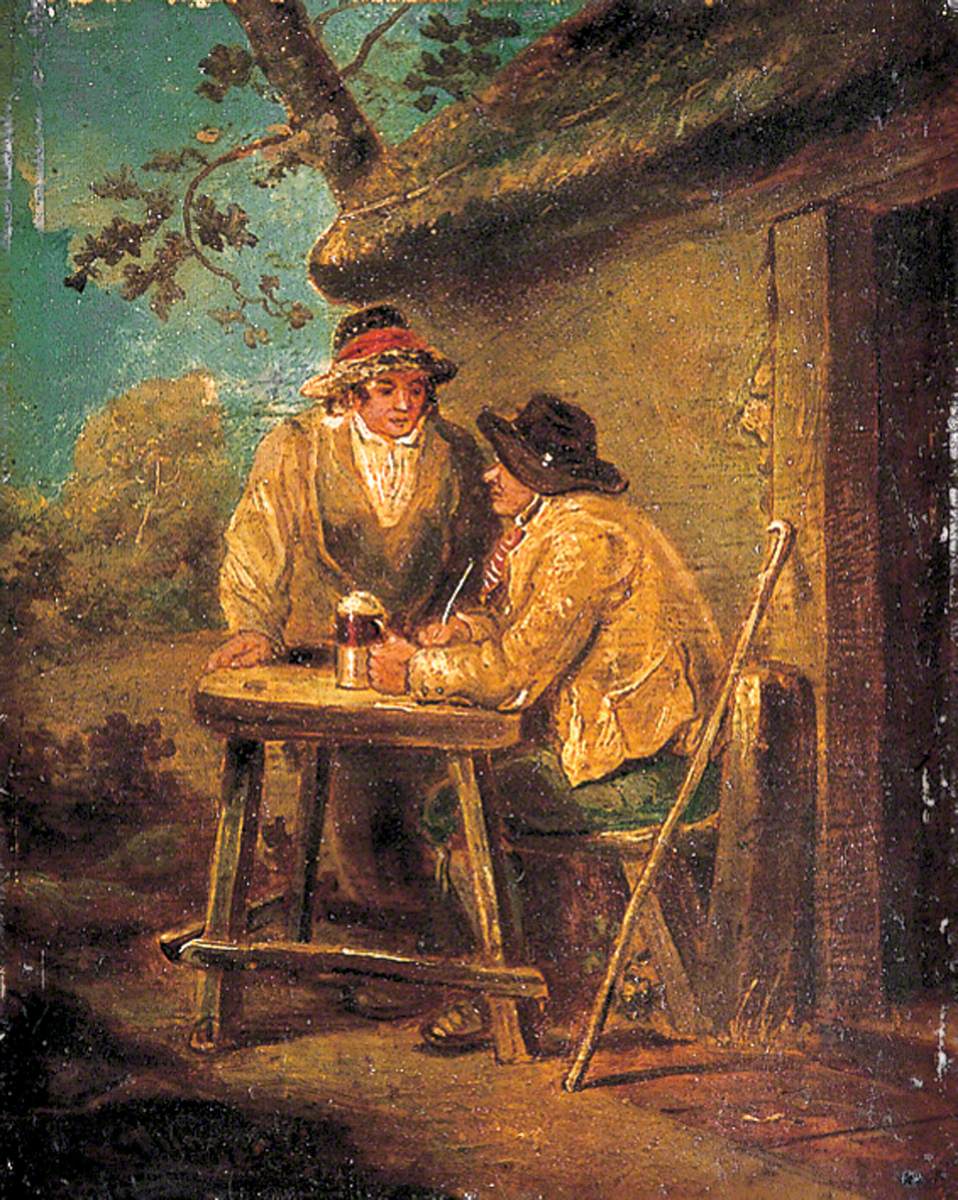
Morland, George; Outside the Alehouse Door; Canterbury City Council Museums and Galleries; http://www.artuk.org/artworks/outside-the-alehouse-door-75820

Standards & Experiences

There is no doubt that per capita beer consumption went down between 1800 and 1830, and no doubt that per capita consumption of tea and of sugar went up; while between 1820 and 1840 there was a marked increase in the consumption of gin and whisky. Once again, this is a cultural as well as a dietetic matter. Beer was regarded- by agricultural workers, coal-whippers, miners- as essential for any heavy labour (to put back the sweat) and in parts of the north beer was synonymous with ‘drink’. The home-brewing of small ale was so essential to household economy that ‘if a young woman can bake oatcake and brew well, it is thought she will make a good wife’ : while some Methodist class-leaders say they could not lead their classes without getting a ‘mugpot’ of drink. The decline was directly attributed to the malt tax- a tax so unpopular some contemporaries regarded it as being an incitement to revolution….. The additional duty upon strong beer led to widespread evasion: and ‘hush-shops’ sprang up…

The effect of the taxes was undoubtedly to reduce greatly the amount of home-brewing and home-drinking; and equally, to make drinking less of a part of a normal diet and more of an extra-mural activity ( In 1830 the duty on strong beer was repealed and the Beer Act was passed and within five years 35,000 beer-shops sprang up as if out of the ground).

E P Thompson The Making of the English Working-Class (1963/68)

I shared a pint or two of real ale down the years with Thompson (1924-1993) so these words were certainly heartfelt.

Articles

Cats, socialism & the British Marxist historians

In Uncategorized on February 12, 2019 by kmflett

Cats, socialism and the British Marxist Historians

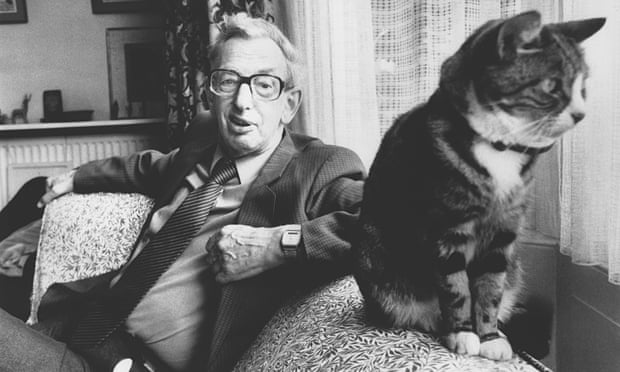
Marlene Hobsbawm

Labour leader Jeremy Corbyn caused a mild media ripple when he revealed to the Independent that his black and white cat does not have a name but is addressed simply as El Gato. More recently further ripples were caused when the Daily Mail reported that he named a cat he had in the 1970s Harold Wilson

Now a picture of the late British Marxist historian Eric Hobsbawm has appeared with his cat. Perhaps there is something about Marxist historians and cats as E P Thompson also had one:

https://kmflett.wordpress.com/2019/02/10/eric-hobsbawm-cat-lover/

https://kmflett.wordpress.com/2017/10/06/e-p-thompson-cats/

The pictures appear to be the missing link between cats and socialism

If you were looking for a conspiracy, while Lenin was a cat lover there is no record that it had a name either (no, it was not Joe). However that is most probably due to a failure in cat history rather than anything else.

Not all politicians have been cat lovers. There is no record, for example, of a cat in Tony Benn’s Diaries except an entry where he notes he was given a ‘black woolly’ cat to hold for a photo shot.

Harold Wilson by contrast brought his own cat into Downing St when he became Prime Minister, while Churchill patriotically named his Nelson.

The New Labour period, perhaps inevitably, was beset by cat controversy. It was thought Cherie Blair didn’t like cats much and in November 1997 Alistair Campbell announced that the veteran Downing St cat Humphrey had gone to a quiet suburban location. Journalists inquired whether this was code for ‘cemetery’ and photos had to be produced of Humphrey happily in retirement..

We should however be cautious about assuming an automatic link between cats and any particular trend on the left, Rosa Luxemburg described what happened when her cat Mimi met Lenin:

“She also flirted with him, rolled on her back and behaved enticingly toward him,” Luxemburg writes. “But when he tried to approach her she whacked him with a paw and snarled like a tiger.”

Socialists and the ‘Pet’ Contradiction

Some names of politicans cats

Lenin- cat no known name

Churchill- Nelson

Wilson- nemo (Siamese)

Corbyn Harold Wilson; El Gato

Blair- Humphrey (until Nov 25 1997)

Thatcher Marvin (2007)

Rosa Luxemburg, Mimi