Articles

Vote Leave, the Electoral Commission & William Cobbett’s Rotten Boroughs

In Uncategorized on July 19, 2018 by kmflett

Vote Leave, the Electoral Commission & William Cobbett’s Rotten Boroughs

The decision by the Electoral Commission to fine Vote Leave for overspending and other malpractice during the EU Referendum campaign tells a story about the state of British Parliamentary democracy.

Of course not everyone who backed ‘leave’ in the Referendum was involved in malpractice. Some genuinely wanted out of what they saw as a neo-liberal EU.

However it seems clear that Vote Leave was engaged in targeting funds to whip up racist sentiment and hence in effect to attempt to ‘buy’ a leave result. They were only just successful and we cant really be sure what precise impact they had.

The reality of large sums of money being used to buy political decisions however takes us back to the days before the 1832 Great Reform Act started the century long process of allowing everyone to have a secret ballot.

Even after 1832 it was common for candidates to buy drink for those eligible to vote during an Election (a minority) and to keep an eye on how they voted. The campaigns of the Chartists helped to end that.

William Cobbett referred to those constituencies which could be bought containing few voters but offering Parliamentary influence as ‘rotten boroughs’. He wrote of ‘vile borough-mongers, their tools and their stopgaps’.

We haven’t quite yet got back to that yet- after all Farage has failed 7 times to be elected as an MP- but Vote Leave is a staging post on the road to it.

Articles

So, Farewell then the Haringey HDV

In Uncategorized on July 18, 2018 by kmflett

So. Farewell then the Haringey HDV

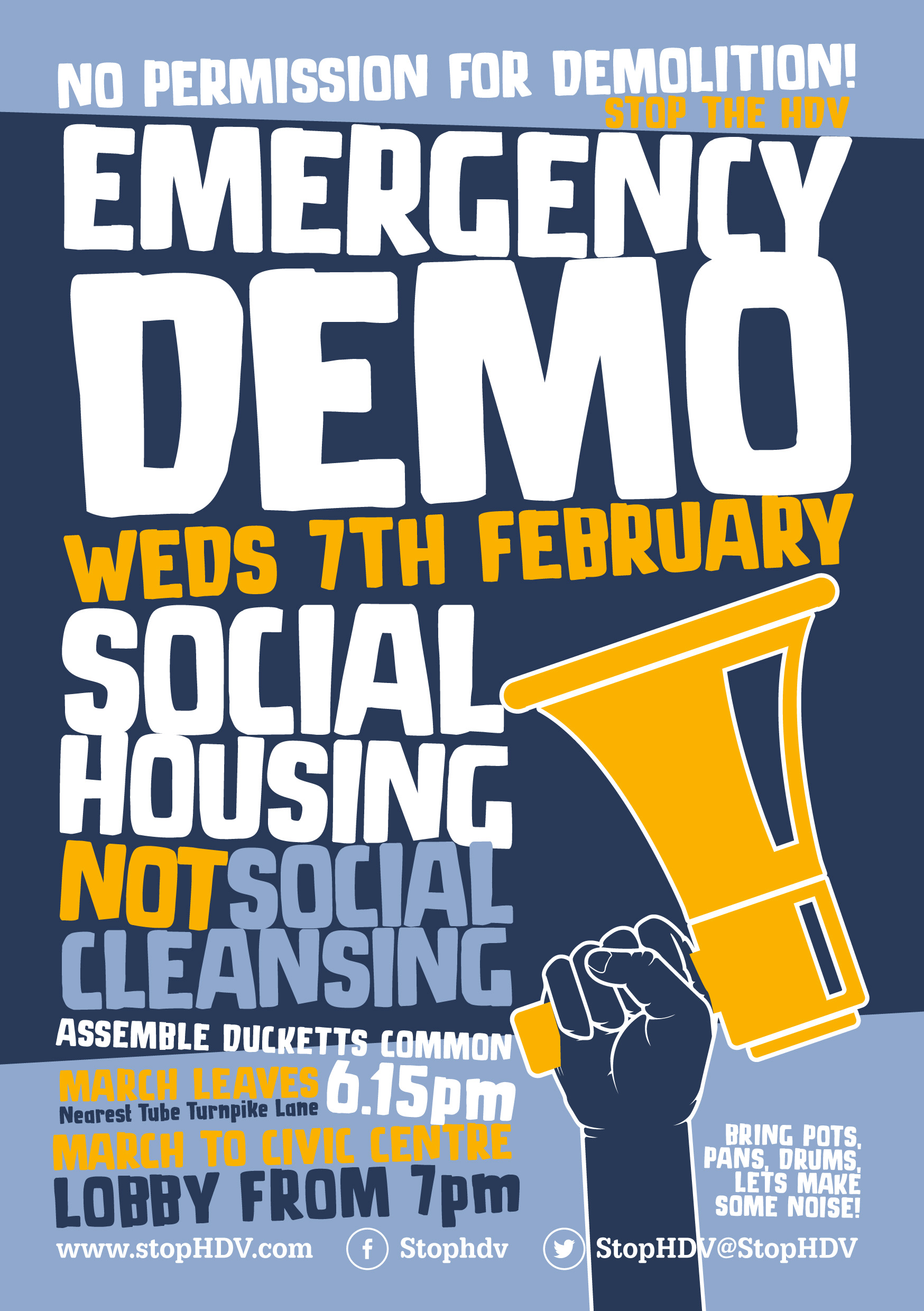
On Tuesday 17th July the new Haringey Council Cabinet (Labour) met and decided to put an end to plans for the Haringey Development Project.

This grand project in which multinational privateer Lendlease was to be centrally involved had as its focus plans to knock down substantial numbers of Council homes (and some private houses) in North Tottenham around the new Spurs stadium. They would be replaced with new housing which might but probably would not have been occupied by the original tenants.

The end of the HDV was the work of a broad and active campaign. It ranged from anarchists, the SWP, the Labour Party, the LibDems, Haringey Defend Council Housing, the main Haringey trade unions, Haringey TUC (of which I was President until January) and of course lots of grassroots tenants and community campaigners and activists.

The campaign is not completed (when are they ever). There are still grand housing plans for High Rd West (by Spurs), Tottenham Hale and Sky City (in Wood Green). There is also the important issue of Broadwater Farm and blocks that have safety issues and whether this can be sorted out by repair or if it needs reconstruction.

That said it must be noted that the HDV campaign was a victory. As Paul Burnham, centrally involved in Haringey DCH posted on Facebook, so many similar campaigns end in failure or just fold that something that wins is important to celebrate. We’re not used to success on the left and rightly wary of those who claim it, but we do need to recognise it when it happens.

All credit too, to the Guardian journalist Aditya Charabortty who gave the anti-HDV a wider coverage and higher profile. Hopefully that means this victory will encourage others who are also fighting neo-liberalism in housing policy.

As for Tuesday’s Cabinet it agreed to set up a wholly owned Council structure to build housing in future. There will be concerns and issues with that of course. But as I tweeted it represents progress with pragmatism.

Not of course the kind of class struggle socialism I believe in, but we have to start by grappling with things as they are rather than as we’d like them to be.

Compared to the almost maoist, putting politics in command, plans of the previous Council, this looks like a more modest attempt to start with the needs of ordinary working people in Haringey and make some progress (no not that kind of progress) on actually building a few council homes in an age of Tory austerity.

Work as it were, in progress

Keith Flett is immediate past President of Haringey TUC

Articles

The Ambridge Socialist: Affordable Homes in Ambridge now. Sign the petition here

In Uncategorized on July 18, 2018 by kmflett

The Ambridge Socialist

18th July

Affordable Homes in Ambridge Now!

Emma Grundy is struggling to get support for her on-line petition demanding that Damara Capital owned by fat cat Justin Elliott stick to the original number of affordable homes in its new Ambridge development. The Ambridge Socialist has started a petition to demand that Housing Minister Kit Malthouse intervene. Sign it here and get your friends to sign to:

https://www.change.org/p/kit-malthouse-parliament-uk-affordable-homes-in-ambridge?recruiter=45817997&utm_source=share_petition&utm_medium=twitter&utm_campaign=share_petition.nuTOQr9FSliiD9vHkB7fug.1&utm_term=triggered


Articles

Never mind Parliament. Why doesnt Theresa May declare a Grand National Holiday?

In Uncategorized on July 18, 2018 by kmflett

Never mind Parliament why doesnt Theresa May declare a Grand National Holiday?
Past Tense blog

Notwithstanding that people do deserve breaks from work the attempt by Theresa May to start the Parliamentary summer holidays early, in the end dropped, has attracted comment.

Perhaps its time for Ms May to follow the example of the Chartists and declare August a Grand National Holiday. The Chartists were trying to get the vote but Ms May could declare holiday until Brexit is achieved or not.

August is a peak month for holidays. School is out in many areas of the UK, official institutions such as Parliament and the Courts take a break, and the weather is not only supposed to be decent but is likely to be so in 2018.

Historically in many northern manufacturing districts- at least before Mrs Thatcher got to work- this was also the period of Wakes Weeks when factories and mills shut down for a fortnight.

There is nothing particularly radical about any of this except of course that the right to paid time off had to be fought for by trade unions and the labour movement and did not become an established feature of working life for many until the 1930s and often later.

Yet there is also a radical tradition of ceasing work associated with August, the Grand National Holiday.

The ‘Holiday’ was an idea promoted by William Benbow (1784-1864). Like many radical activists in the nineteenth century he ranged across a variety of occupations, from pornographer to coffee house keeper to grocer and journalist, to survive.

Benbow was influenced by the radical ideas of Thomas Spence, and he popularised the idea of a people’s jubilee, or open-ended cessation of work, with the plan of ending capitalism.

He had been pushing the idea of a ‘Sacred Month’ for decades in radical circles with no great immediate impact. He did however publish it as a pamphlet in the early 1830s and this was widely read.

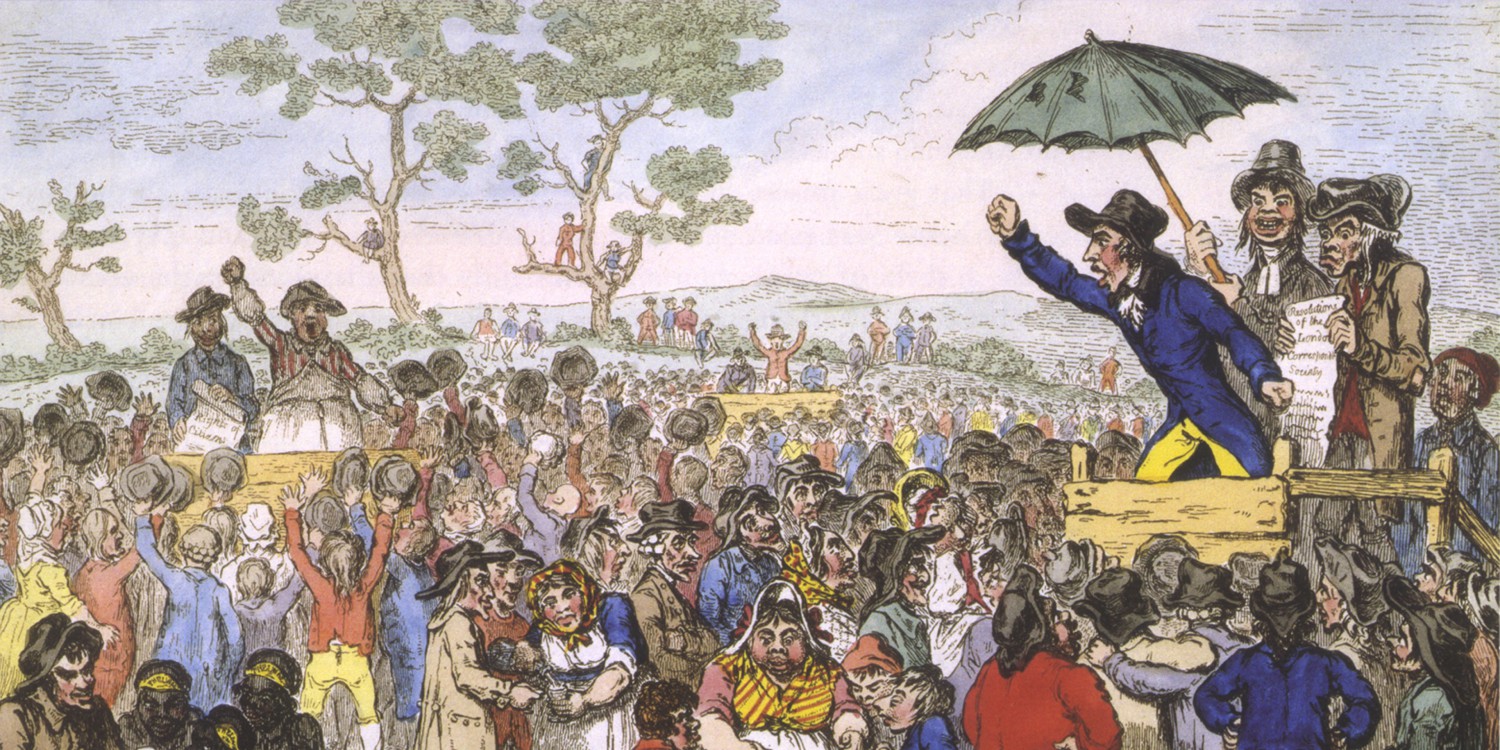
Benbow’s plan might well have stayed simply an interesting idea were it not for the fact that the Chartist Convention of summer 1839 adopted it as policy and determined to put it into operation in August of that year, starting on the 12th of the month.

We are familiar with General Strikes around the world which are in protest at something or which are demanding specific things. The Grand National Holiday was neither of these. It simply planned to disengage from capitalism until the system stopped working.

This meant that not only was no work to be done, but that supporters of the Sacred Month should withdraw any savings they had in banks or other institutions. They were also required to abstain from all excisable articles such as drink and tobacco. On 12th August 1839 in many, mainly northern areas, the pubs were shut.

It was argued that aside from anything else this prevented any disorder and drunkenness as the month got underway.

How was the call for the Sacred Month implemented?


The weekly Chartist newspaper The Northern Star for the 17th and 24th August 1839 reported meetings across the north, often with very large turnouts comprising a majority of the working population of particular areas, which then proceeded to march to surrounding locations to pull others out in support of the popular Jubilee.

There is not a uniform picture of how long people stayed out for- some days in a number of areas- but not the whole month. The practicalities were complicated.

Perhaps some had small holdings that allowed them to survive without wage labour, possibly being only recently agricultural workers. This was part of the project that became in the later 1840s the Chartist Land Plan.

Even in areas where the strike did not take hold there was at least symbolic support. In London on 12th August there was a mass Chartist meeting on Kennington Common for example.

Almost 180 years on the events of August 1839 have a strikingly modern feel. A People’s Jubilee against not this or that aspect of capitalism but the whole system. Why not? (one appreciates that Theresa May wont be supporting this but might be the subject of it)

 

Articles

Historians say David Starkey’s attack on ‘ugly’ Mary Beard is unwarranted

In Uncategorized on July 18, 2018 by kmflett

London Socialist Historians Group

Press release 18thJuly

Contact Keith Flett 07803 167266

Mary Beard (PA)

Historians say David Starkey’s attack on ‘ugly’ Mary Beard is unwarranted

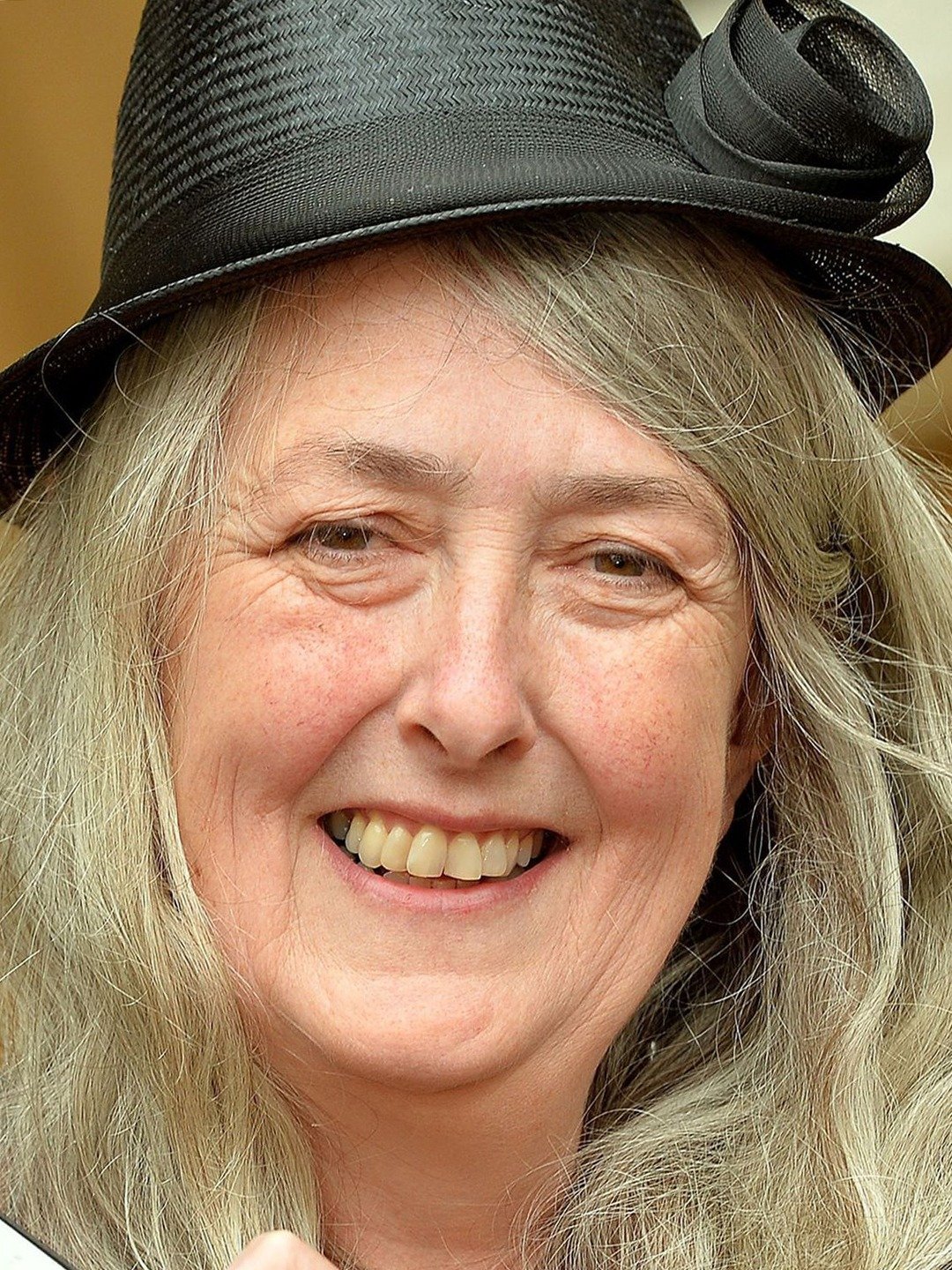
The London Socialist Historians Group which organises the socialist history seminar at the Institute of Historical Research has said that the reported comments of Tudor historian David Starkeythat he cant get on TV due to the pre-eminence of female historians such as the classicist Dame Mary Beard is unwarranted.

The historians say that for too long history has been associated with men in suits, often conservative in both personal and historical views. Dr Starkey is a prime example, known for his controversial right-wing opinions.

2018 marks the 50th anniversary of the beginnings of the development of the women’s liberation movement and with it feminist history

London Socialist Historians organiser Dr Keith Flett said, the historical profession and practitioners of history in general has been changing for the better with more diverse perspectives. As Dr Starkey reminds us there are plenty of male historians in suits with traditional views still around though. Personally I suspect my limited TV appearances relate not only to my beard and lack of a suit but also because I’m a socialist historian in what remains predominantly a conservative area.

Report of Dr Starkey’s comments

https://www.newstatesman.com/culture/tv-radio/2018/07/david-starkey-blames-his-good-looks-his-career-going-down-pan


Articles

John Major & the temperature of beer

In Uncategorized on July 17, 2018 by kmflett

With it being possibly the warmest summer since 1976 the appropriate temperature for cask beer has been exciting some discussion on social media. I’ll comment on that elsewhere.

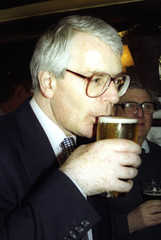
However it is important to recall that the defining perspective on the matter comes from John Major:

“Fifty years on from now, Britain will still be the country of long shadows on cricket grounds, warm beer, invincible green suburbs”.

This was from a speech made in 1993 and my research suggests possibly not written by Major.

In case you cant recall Major was a Tory Prime Minister responsible for privatising the railways. He was depicted by the cartoonist Steve Bell has someone who wore his underpants outside of his trousers and enjoyed eating green peas.

Major’s words were designed of course to appeal to an idyllic English tradition.

The beer in question, invariably cask, was meant to be at 12C, that is tepid. More or less the same temperature as a well stewed cup of tea.

Major is still to be seen at cricket grounds but has not as far as I know updated his thoughts on the temperature of beer

Articles

Its World Beard Friendly Emoji Day

In Uncategorized on July 17, 2018 by kmflett

17th July

The Beard Liberation Front, the informal network of beard wearers, has said that on World Emoji Day, it is encouraging supporters to use a Beard Emoji to indicate a beard friendly statement on social media.

The most recent Beard Emoji dates from 2017.

BLF Organiser Keith Flett said, its usually obvious when, for example, a tweet is beard friendly, but an emoji underlines the point


Articles

No further action on Ben Bradley MP’s Parliamentary Beard of the Year title after Brexit resignation

In Uncategorized on July 16, 2018 by kmflett

Beard Liberation Front

PRESS RELEASE

16th July

Contact Keith Flett 07803 167266

No further action on Ben Bradley MP’s Parliamentary Beard of the Year title after Brexit resignation

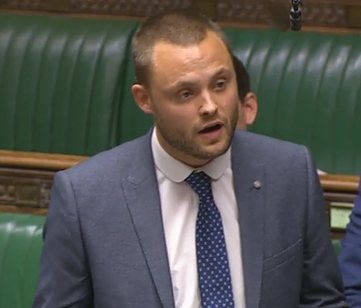
The Beard Liberation Front, the informal network of beard wearers which campaigns against beardism, irrational prejudice against the hirsute, has said that after a further review of Ben Bradley’s Parliamentary Beard of the Year Award when he stepped down as a Vice Chair of the Conservative Party on 10th July it has decided to take no further action.

The campaigners say that any politician is likely to excite controversy from time to time and this has certainly been the case with previous holders of the Award.

The BLF says that while Mr Bradley has recently been in the public eye over Brexit, in general it is satisfied that in his Constituency work he continues to promote a positive public image of the hirsute

Mr Bradley came to the BLF’s attention over remarks about Jeremy Corbyn for which he subsequently apologised in February. The BLF stated then that a further review would be held if Mr Bradley came to its attention again

BLF organiser Keith Flett said, the vote for the Parliamentary Beard of the Year 2018 will open in November and Parliament will shortly be in summer recess until September. Barring any further controversy we are content to let Mr Bradley serve out his term as Parliamentary Beard of the Year.

February 2018 ruling

Campaigners confirm Ben Bradley could still be stripped of Parliamentary Beard of the Year title


Articles

The Trump protest, EP Thompson’s moral economy & Matthew d’Ancona

In Uncategorized on July 15, 2018 by kmflett

The Trump protest, EP Thompson’s moral economy & Matthew d’Ancona

Sometimes life passes you by and I missed a reference in the Guardian to EP Thompson’s moral economy in the Guardian on 8th July:

https://www.theguardian.com/commentisfree/2018/jul/09/trump-uk-visit-shames-theresa-may-protests

It was from Matthew d’Ancona a liberal-ish Tory who writes for the Guardian and the London Evening Standard. He is a Corbynphobe and spends much of his time criticising the left, while very occasionally aiming a broadside at the right of the Tory Party.

His piece on 8th July was about the anti-Trump protest on 13th July in London which he thought should be peaceful and witty. Indeed it was, with around 250,000 people. My thoughts on this are here:

https://kmflett.wordpress.com/2018/07/13/the-stop-trump-protest-on-13th-july-was-big-but-that-wasnt-the-best-thing-about-it/

Somewhere in his argument with himself about the nature of the protest he decided to reference EP Thompson’s moral economy. The relevant passage is here:

There has long been a tendency on the far left to romanticise what EP Thompson called “the moral economy of the English crowd” and to see this as a blank cheque for disorder. More recently, a new and pernicious doctrine has taken hold – that unacceptable or “problematic” speech is a form of violence and a justification for the pre-emptive use of force. I can imagine this axiom being used by British Antifa protesters as an excuse for pointless exhibitions of force this week.

D’Ancona has a first in Modern History from Oxford which however probably did not include E.P Thompson’s work on eighteenth century England and the moral economy.

There is no evidence provided for his statement that the ‘far left’ like to use the concept of a moral economy as a ‘blank cheque for disorder’. Possibly because he has little or none but this is journalism not an academic article so he is not really expected to produce any.

However let us consider the realities of how Thompson viewed the moral economy:

1 It was a concept he used to describe how relations between the poor and the ruling class went on in a patrician society, before the working-class was formed.

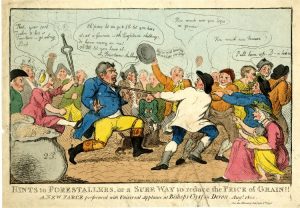
2 A moral economy meant one where there was general agreement on, particularly, the quality and price of bread (beer was also sometimes involved). Assizes sat to lay down rules on this. If they were not kept the poor could appeal to the law. If that didn’t work they might protest. The protest was the key point. It was often designed to address issues of overpriced or poor-quality bread. Very occasionally it led to a riot but that was generally seen as a failure of the process.

3 Thompson was very clear that the concept of a moral economy applied to only the eighteenth century and should not be applied elsewhere. In a subsequent update he conceded that the concept was now in such widespread usage that he could no longer lay down a framework for its use. Indeed he occasionally applied it to the present day himself- see the essays in his collection Writing By Candlelight.

As we know the huge London protest against Trump was entirely peaceful and perhaps did echo Thompson’s moral economy in suggesting that there is a certain basic understanding between the rich and poor about how a market society works or should work that Trump persists in trampling on.

On Saturday however the supporters of jailed fascist Yaxley Lennon again attacked police and opponents in central London. One wonders if Mr d’Ancona will manage a column


Articles

HIrsute warn hot weather beard trims are a craft. DO NOT visit a barber’s shop

In Uncategorized on July 15, 2018 by kmflett

Beard Liberation Front

PRESS RELEASE

15th July

Contact Keith Flett 07803 167266

Hirsute warn hot weather beard trims are a craft. DO NOT visit a barber’s shop

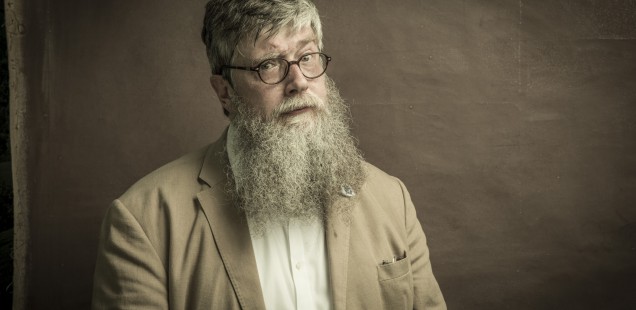
Winner of the Beard of Summer 2018 Philip Ardagh has not trimmed his beard

The Beard Liberation Front, the informal network of beard wearers which campaigns against beardism, irrational prejudice against the hirsute has issued a warning about appropriate and inappropriate beard trimming as the temperature continues to be around the 30C in some parts of the UK.

The campaigners have urged the hirsute to take special care of their beards in high temperatures. Trimming is acceptable but on no account should the hirsute visit a barber’s shop

BLF organiser Keith Flett said, shaving off the beard in the UK during hot temperatures is the very worst thing that you can do. Facial hair has a cooling effect on the skin and exposure to the sun’s rays after shaving is likely to lead to sunburn.

Flett continued, however when in Algiers in 1882 Karl Marx had a full beard trim, as opposed to pruning, and exceptionally this is also a permitted activity

Guidelines for maintaining & trimming the Beard in hot weather

If the beard is above three inches in length moderate summer trimming may be in order, following the guidelines set by Marx in 1882

If the beard starts to over-heat immersing it in the freezer cabinet of the nearest supermarket will provide an instant remedy

Hand held fans may also be used to ventilate the beard

If the beard starts to dry out in the heat and follicles become brittle immersion in a pint of craft beer will moisturise and nourish the beard.

Trimming should on no account be done in a barbers shops. Barbers are notorious pogonophobes who will enthusiastically ‘over-trim’

Trimming should be done using a pair of fine scissors and a mirror to a length and style to suit. DO NOT use any form of shaver. Trimming is a craft job