Articles

Ambridge Socialist: After the Chequers Brexit Plan can the Ambridge Agreement work?

In Uncategorized on July 15, 2018 by kmflett

The Ambridge Socialist

15th July

All the news of the class struggle in Borsetshire

After the Chequers Brexit Plan can the Ambridge Agreement work?

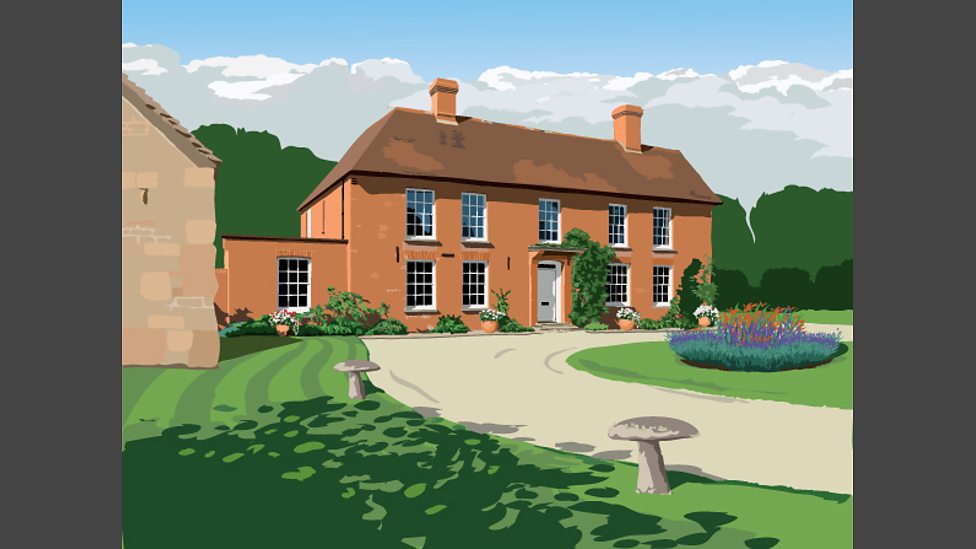
It’s ‘A Family War’ not the Ambridge Socialist’s description of events at Home Farm but that of the Daily Telegraph which knows more than we do about intra-bourgeoisie squabbles. Debbie has flown in from Eastern Europe at the behest of Brian but appears to be finding it impossible to reconcile the squabbling parties. Following discussions it looks like a plan is going to be put forward to sell Home Farm (the house). That will leave Brian to move into the spare room at The Bull and the others can do as they please. The issue is, will selling the house solve the crisis at Home Farm?

Trump in Ambridge

The orange moron would love Ambridge aside from the fact that there is as yet no golf course or Trump hotel. Both could be arranged if Home Farm was put up for sale though.

Whack-a-mole

The biggest crisis of the week, an incorrectly calibrated Whack-a-mole appears to have been sorted out by David who saw an alignment problem.

The Ambridge Fete

The Ambridge Socialist suggests Justin should be put in the stocks and be pelted with farm related things until he conceded genuinely affordable housing. Neil is unsure about judging the Pet element of the fete, claiming he knows nothing, but this is rarely a problem in Ambridge.

In Other News

Susan has praised Neil’s whiteboard in his new farm unit office. The Ambridge Socialist has several spare whiteboards if there any enthusiasts out there. Supply your own marker pens.


Articles

Wimbledon: campaigners rule Djokovic does not have a beard as Championship struggles with hirsute times

In Uncategorized on July 15, 2018 by kmflett

Beard Liberation Front

15th July

Contact Keith Flett 07803 167266

Wimbledon: campaigners rule Novak Djokovic does not have a beard as Championship struggles with hirsute times

The Beard Liberation Front, the informal network of beard wearers, has ruled that Wimbledon finalist Novak Djokovic does not have a beard as he faces clean shaven South African opponent Kevin Anderson in the Men’s Singles final on Sunday.

The campaigners say that Djokovic has failed the classic Clint Eastwood Sphagetti Western stubble to beard test. Djokovic consistently comes down on the side of stubble when the criteria is applied.

While most sports including previously very clean-shaven ones such as golf now have high levels of hirsuteness Wimbledon is behind the hairy times.

BLF Organiser Keith Flett said, it is of course possible that given both Djokovic and Anderson have powerful serves that the match could be a lengthy one. If so it is just possible that Djokovic will fulfil the criteria for a beard by the final set.


Articles

From Golden Boot to Golden Beard: Harry Kane wins Beard of the World Cup vote

In Uncategorized on July 15, 2018 by kmflett

Beard Liberation Front

15th July

Contact Keith Flett 07803 167266

From Golden Boot to Golden Beard: Harry Kane wins Beard of the World Cup vote

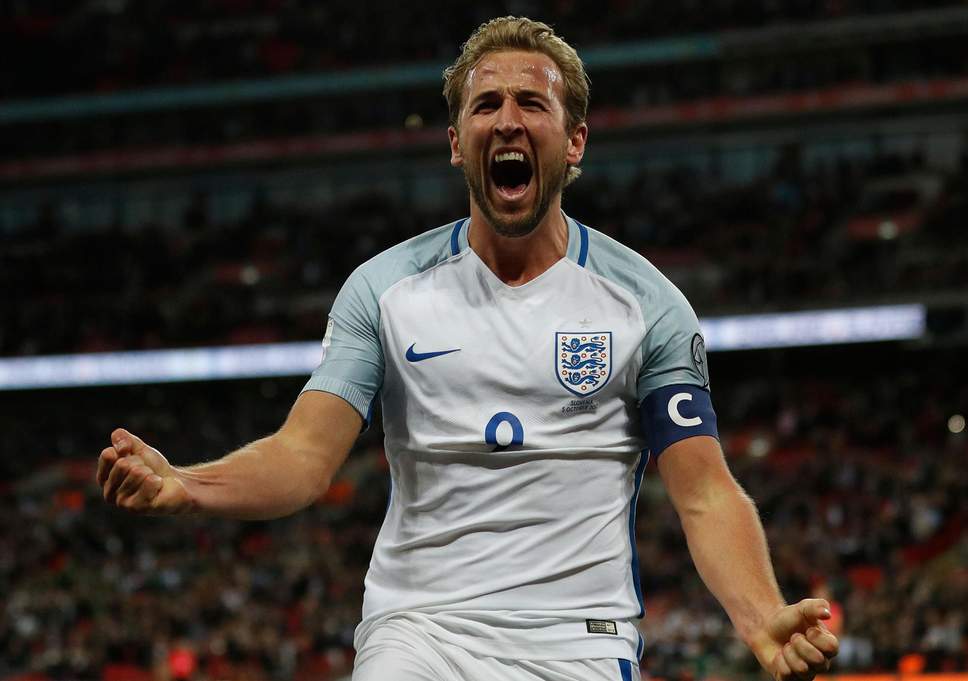
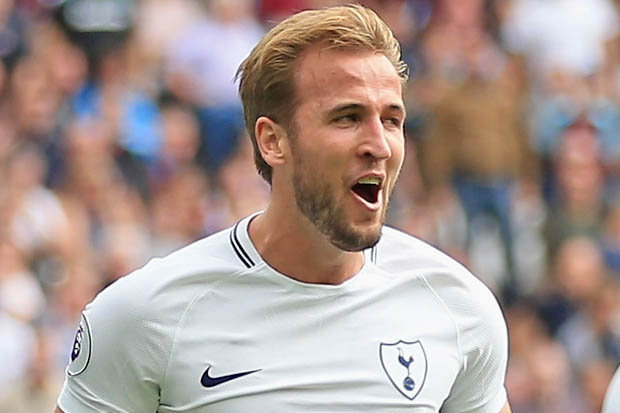
The Beard Liberation Front, the informal network of beard wearers, has said that while it looks like England football captain Harry Kane will win the Golden Boot in the 2018 World Cup he has already received one important honour. He has been voted ‘Beard of the World Cup’ in a public poll that ran throughout the competition.

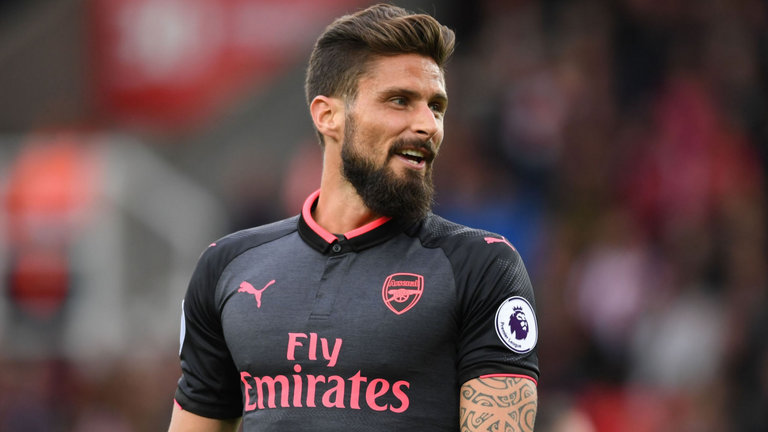
Harry Kane ended up with 45% of the popular vote. Second was Australian captain Mile Jedinak who got 26% and Olivier Giroud of France who will be in Sunday’s final was third with 12%.

The voting criteria were based on a mixture of how impressive a player’s beard was combined with the impact it made on the pitch

BLF Organiser Keith Flett said, of course beard wise Harry Kane’s facial hair is not as striking as that of Mile Jedinak. However as the likely winner of the Golden Boot the impact of his beard on the pitch was greater. He is a true representative of English footballing beard power.


Articles

Beard of the World Cup. Final day of vote. Can Kane beard the opposition?

In Uncategorized on July 14, 2018 by kmflett

Beard Liberation Front

14th July

Contact Keith Flett 07803 167266

Beard of the World Cup. Final day of vote. Can Kane beard the opposition?

The Beard Liberation Front, the informal network of beard wearers, has said that with the football World Cup now in its last weekend the competition is still bristling for the coveted Beard of the World Cup accolade

Harry Kane leads the vote but Australian captain Jedinak is within a whisker (though the side are of course out)

BLF Organiser Keith Flett said, we’re looking now for a decisive beard impact on the pitch with the winner declared ahead of the Final on Sunday

Beard of the Football World Cup 2018


Articles

Beard of Summer Philip Ardagh joins protest against pogonophobe Trump

In Uncategorized on July 14, 2018 by kmflett

Beard Liberation Front

14th July

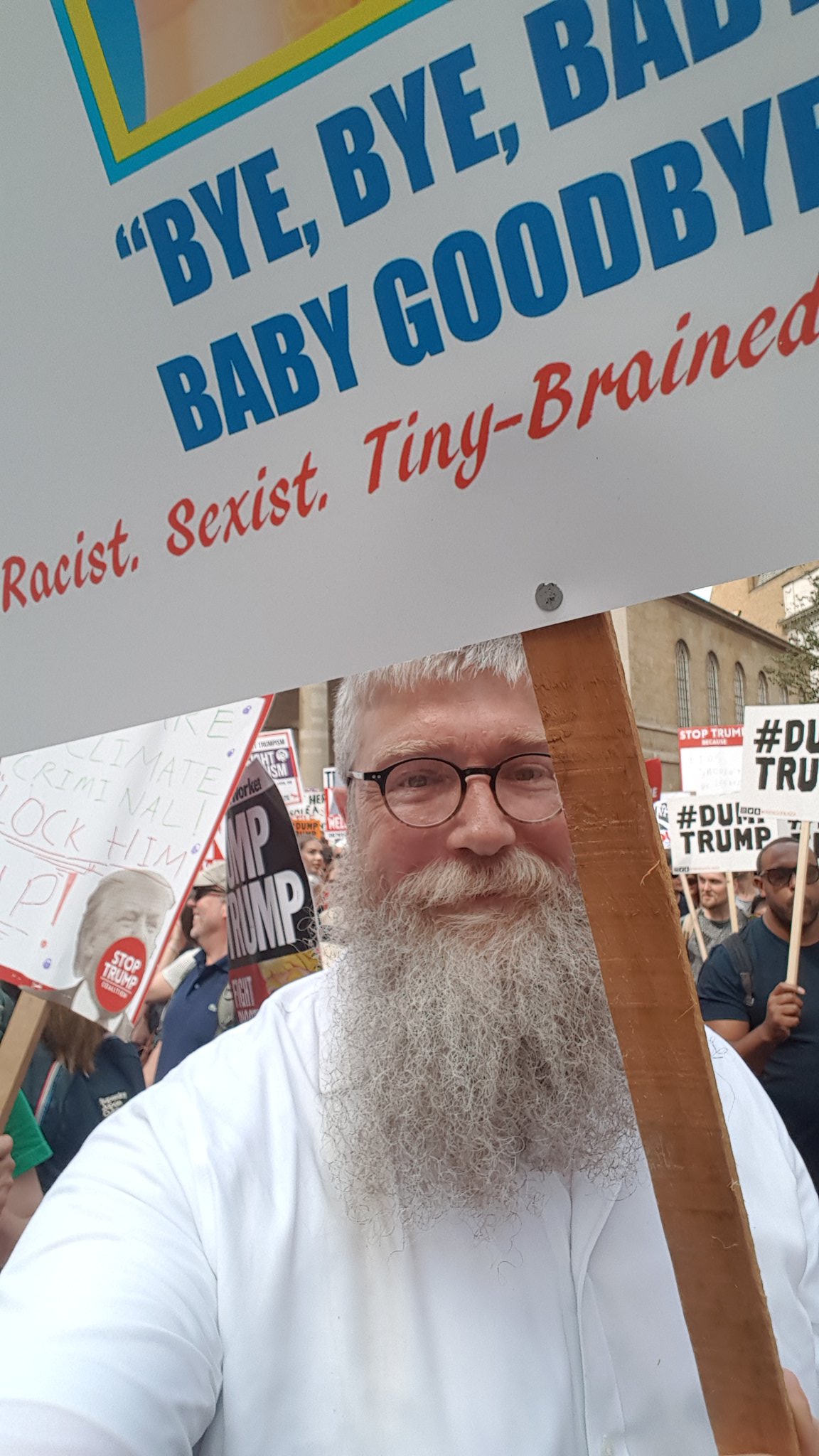
The Beard Liberation Front, the informal network of beard wearers, has welcomed the news that Philip Ardagh, voted Beard of Summer 2018 two weeks, joined the protest against Donald Trump in central London on Friday.

The campaigners say that along with a range of other reactionary prejudices Trump is a noted pogonophobe. He has never had a beard and held out against appointing hirsute warmonger John Bolton as National Security Advisor reportedly because he refused to shave off his moustache.

BLF Organiser Keith Flett, we are delighted that Philip Ardagh joined many other beard wearers in protesting pogonophobe Trump.

Articles

July: the month of labour movement festivals from Durham to Tolpuddle. Politics, solidarity, beer, fun

In Uncategorized on July 14, 2018 by kmflett

July: the month of labour movement festivals from Durham to Tolpuddle. Politics, solidarity, beer & fun
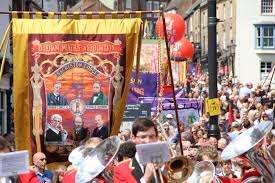
 

They seem to do celebrations and festivals better in other Labour movements in other countries, or at least that is the mythology that has grown up around the British labour movement.

It isn’t true as festivals this weekend and next demonstrate. There is the annual celebration of the Tolpuddle Martyrs in the agricultural village of Tolpuddle near Dorchester in Dorset next weekend and this weekend there is the Durham miner’s gala, in the ex-mining but still very much university and cathedral city of Durham.

These festivals commemorate the formative period of the labour movement from the struggles of Dorset farm workers to join a trade union in the 1830s to the industrial might of Durham miners from the late nineteenth century

Different struggles in different localities but ones that taken together form a history of resistance.

The specific forms of resistance, all focusing on a united fight for a better world, need to be understood in their own sense.

In 1834 when a group Dorset farm workers met to swear allegiance to and form a trade union, it was less than ten years, since the repeal of the Combination Acts in 1825 which had made unions completely illegal. It was still very difficult to join a union, as the labourers found.

They signed up to the Grand Consolidated National Trade Union, the first general union associated with the early socialist Robert Owen. The news that farm workers were getting organised alarmed local employers who were also the local political leaders and magistrates. They determined to prosecute George Loveless and the other Tolpuddle trade unionists under an obscure 1797 Act which forbade the swearing of oaths.

After a trial at Dorchester the men were, unsurprisingly, found guilty and sentenced to transportation to Australia for seven years. There they found tough conditions, but a massive campaign was already underway for their release. There was a demonstration in central London and the question was raised in the House of Commons. Eventually Russell the Home Secretary pardoned the men and they returned to England.

It was a hugely important battle for the right to organise and it was won. The Tolpuddle Martyrs, mostly Methodists, were neither militants or revolutionaries. They had simply made a stand for what was right.

At the other end of the country around the pits of County Durham similar struggles for trade union organisation were underway, but unions were often short lived as battles with employers were fought and lost. However by the 1860s there was a stable union structure and in 1871 the first ‘big meeting’ of Durham miners, the miners gala was held.

It has continued ever since with breaks for the World Wars, the 1926 General Strike and the 1984/5 miner’s strike. Several things characterise the gala. Firstly the parade of banners from individual pits, many famously political, depicting figures such as Lenin and Keir Hardie. Secondly the presence of brass bands, a traditional form of music associated with collieries. Thirdly the speakers; down the years the Durham Miners Gala has been the key place for Labour and trade union leaders to speak. Every Labour leader bar one has spoken. The exception of course was Blair who never bothered despite being an MP local to the area. The famous names of British labour have spoken from Nye Bevan a former miner’s leader and founder of the NHS to Tony Benn, and, as importantly international speakers from struggles around world from South Africa to Chile.


The gala attracted as many as 300,000 people in the 1950s and it might seem to be an event dominated by men but the reality is rather different, There was also a tradition of a separate women’s gala and there was a crèche from 1937. Despite the fact that the actions of Mrs Thatcher means there are no working pits left in Durham the tradition of the gala continues. Attendances are on the increase and new banners are appearing reinventing the festival as one of a celebration of community solidarity.

In the age of neo-liberalism to remember and celebrate the Tolpuddle trade unionists and the Durham miners who stood up very publicly for what is right and decent in public life- the dignity of organisation and the fight against repression-is itself an act of resistance.

The twin motors of religion and politics can be seen at work here, the Methodism of the farm workers and miners and the religious views that can inspire the fight against racism. But alongside that are left-wing politics and the desire to fight-back against those who would oppress.

These festivals are of the left and a place for the left to argue it’s politics, but they are also about fun. There is a lot of respectability involved with the public culture of the British left but there are some unrespectable bits as well. Not only the music and dancing, but also in many cases the beer. We find in 1960 complaints that Durham pub owners were putting up the price of a pint on gala days such was the demand.

If you believe that the British left is dull and boring compared to that elsewhere getting along to one of the great labour movement festivals this weekend and next might just cause you to think again. Solidarity can be mixed with some history and a good time.

I should add though that historically some of the time it did rain. Surely not this year though!

Articles

The Stop Trump protest on 13th July was big but that wasn’t the best thing about it

In Uncategorized on July 13, 2018 by kmflett

The Stop Trump protest on 13th July was big but that wasn’t the best thing about it

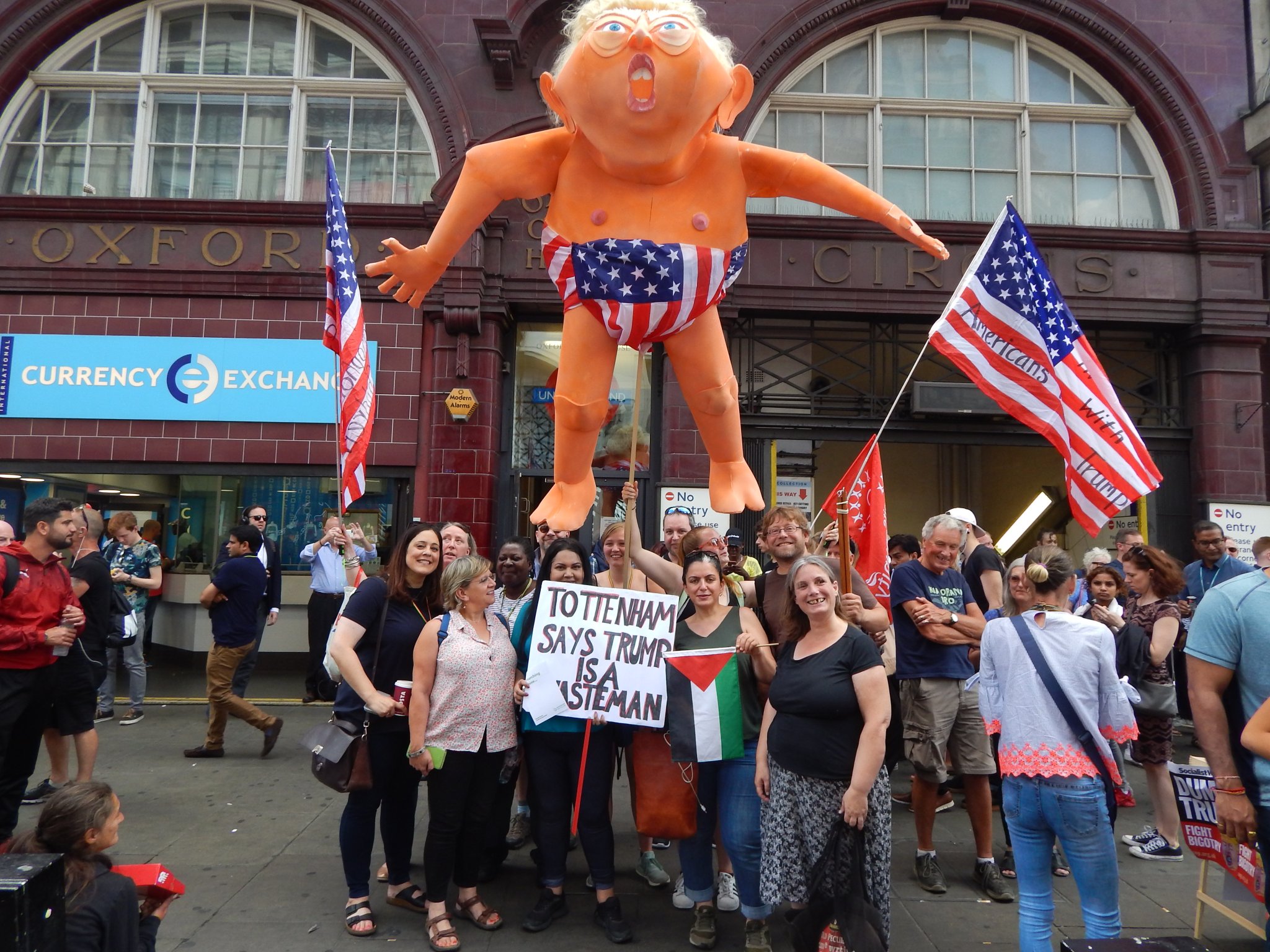
On Friday July 13th, assembling at 2pm at Portland Place by the BBC and marching to Trafalgar Square (not so far away) around 250,000 people protested at the presence of Donald Trump in the UK and his hard-right politics.

But who was counting? No one is the answer. The Met Police have given up for various reasons counting numbers. Their pre-march guidance which was circulated to various groups including London trade unions was interesting but I’ll post on that elsewhere.

The organisers claimed around 250,000 people. The BBC which appears to be having a psychological battle with itself about how to cope with politics outside of what it defined as ‘mainstream’ 50 years ago was content with thousands. The London Evening Standard (Editor George Osborne doesn’t like Trump) backed the quarter of a million figure.

I was there both as an activist and an historian with an interest in political crowds. The march took well over an hour to leave the Assembly point and at that time (after 4pm) protesters were still arriving.

That means it really was a big march. Whether it was the biggest recent weekday march I’m less sure (the record keeper is probably on holiday or down the pub). Some of the anti-George Bush protests on weekdays in the 1980s were very large, but perhaps not as large as Friday.

Any way none of this is the key point. It was not really about numbers but who was on it. The march was a great mix of young and veterans, male and female. There were banners from Labour, other socialist parties and trade unions and to that extent it was a march of course of seasoned activists of the left (and I met a few) but actually it was a lot more than that. For example I met more people who are involved in the craft beer scene (which has its own politics) but not perhaps overtly of the left.

The key was the placards. There were just a huge number of home made placards. Of course the left had its placards there and rightly so. But this was a march that reached well beyond the usual suspects. As Kevin Ovenden has pointed out on FB making a one off placard takes time and effort (making the pre-printed ones is also quite a task) and will have involved discussion about what the most effective slogan or picture might be. Behind this lays a culture, as EP Thompson put it in the Making of the English Working Class, of people fed up with the way things are.

Engels noting the 1890 London May Day march suggested that it was new generation coming into struggle, the daughters and sons of the old Chartists. That is really what Friday felt like. The children of those who marched on 15th February 2003 entering the fray against racism and imperialism.

Capitalism as we know creates its own gravediggers and Trump is excellent at that (and probably only that)

Articles

The size of the London crowd: from the Chartists in 1848 to Trump in 2018

In Uncategorized on July 13, 2018 by kmflett

The size of the London crowd: from the Chartists in 1848 to Trump in 2018

There was been speculation on the size of the crowd that marched in London recently for a People’s Vote on the outcome of the Brexit negotiations, or possibly a 2nd Referendum.

While much reporting (and there was a lot, bad news for Remainiac conspiracy theorists who think the media is ignoring them) noted the protest was a sizeable 100,000 people some have claimed 500,000. I think perhaps not.

The Guardian published a piece in the summer of 2016 suggesting that there is a sociological formula for working out the size of crowds. Unfortunately crowds are comprised not of statistics but real people who come and go and do all manner of things to frustrate an understanding of numbers attending

It is often taken that the police underplay numbers on protests [which just occasionally has caused the left to slightly overplay them in response] unless they were seeking to justify a particularly high overtime bill in which case they exaggerated how many were there.

That said the police did have an official way of estimating numbers which they used for example on the Stop the War demonstration in London on 15th February 2003. This involved counting the number of people passing a certain point in a set amount of time and then extrapolating the size of the protest from that.

Government austerity cuts in expenditure on the police seem to have ended the practice.

It was one way of judging numbers but a moment’s thought suggests issues with it. How is it known if the count is taken when the demonstration is at peak numbers for example? How is account taken for the fact that people join and leave demonstrations throughout their duration?

The argument about the size of demonstrations goes right the way back to the start of the modern movement.

On Monday 10th April 1848 the Chartists gathered on Kennington Common to protest for the vote. It was the first protest ever to be photographed and the photo survives.

The problem is, what does it show in terms of size? It is taken from outside the Common and it is thought that it was taken well before the numbers at the protest peaked. Further in those pre-amplification days there was not one platform but several so people could hear speakers around the Common making estimates of numbers even more difficult.

The press the following day played down numbers at the demonstration with the exception of the Chartist Northern Star, which was the largest circulation paper of the day.

Subsequent analysis of how many demonstrators could be in Kennington Common for each square foot of grass has suggested 100,000 attended- a huge protest for 1848. It may well have been larger but not the 600,000 Chartist leader Feargus O’Connor claimed.

That is one way of working out the size at a particular moment of a demonstration. If for example Trafalgar Square is filled with a protest as it arrives a rough idea of numbers can be gained because it is a fixed space. Except of course that entirely sensible modern safety requirements mean a lot less people can pack into the Square than might have been the case 100 years ago.


Hyde Park is much more complicated because while it is a fixed space it is very much bigger.

Recent decades have seen some very large demonstrations, primarily in central London because there are so many people already in the area who can attend with little travel needed. CND and Stop the War have held huge protests as have the TUC and health service campaigners

All these one suspects will be dwarfed by the anti-Trump protest on 13th July in central London. Let’s hope many of those who marched on Europe are also there to experience a genuinely huge protest

Articles

Dhoni: Grey in the beard adds gravitas

In Uncategorized on July 12, 2018 by kmflett

Beard Liberation Front press release

12th July

Contact Keith Flett 07803 167266

Dhoni: Grey in the beard adds gravitas

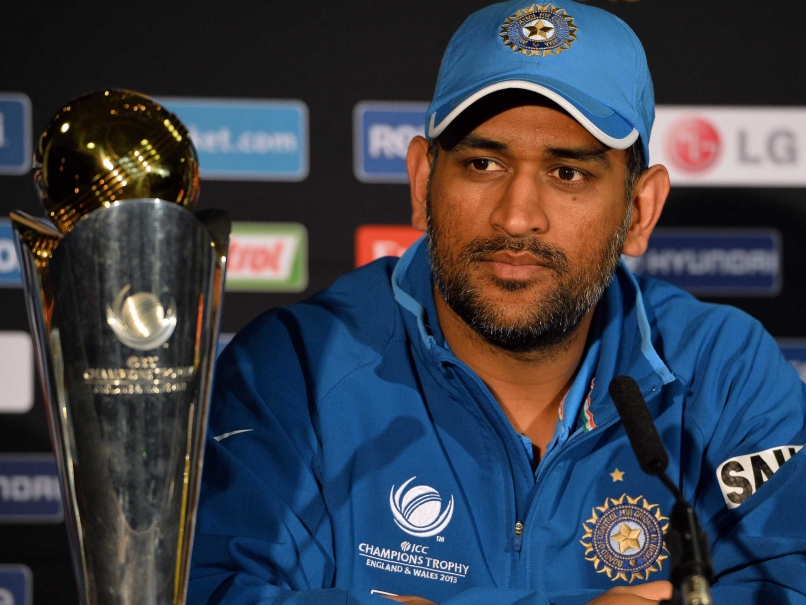
The Beard Liberation Front, the informal network of beard wearers, said that after several mentions of the grey hairs in the beard of Indian wicket keeper M S Dhoni by BBC cricket correspondent Jonathan Agnew, it must be underlined that a grey beard adds gravitas.

A range of people both imaginary and real from Dumbledore to George Clooney have sported grey beards and these are usually held to impart wisdom.

In the case of M S Dhoni it is likely that opposing batsmen can feel the waves of gravitas from his beard as they stand at the crease, a reminder that an error in terms of edging the ball or being out of the crease won’t end well.

BLF organiser Keith Flett said, M S Dhoni is a worldwide symbol of grey gravitas and beard power

Articles

Saying NO to Trump, London 13th July & frustrating the right to protest

In Uncategorized on July 12, 2018 by kmflett

I will be on the anti-Trump protest in central London on Friday and I expect it to be sizeable.

So clearly do the authorities (or the Establishment as some call them) since I note the London Evening Standard is already floating an attendance of 61,000 people. This seems to be based on Facebook indications of attendance but agreement about how large (or small) a demonstration will be in advance usually only occurs when there is unease about it.

For example the official view of the numbers attending the Chartist demonstration for the vote on Monday 10th April 1848 was 20,000 people. This had no relation to the actual numbers (certainly above 100,000) was agreed in advance and widely reported on the Tuesday.

Why there should be unease is less clear. Trump, in a rare display of prudence, will be nowhere near central London on Friday afternoon. It may just be that a very large protest might somehow permeate the consciousness of the ‘orange moron’ and cause him to make an uncomplimentary tweet.

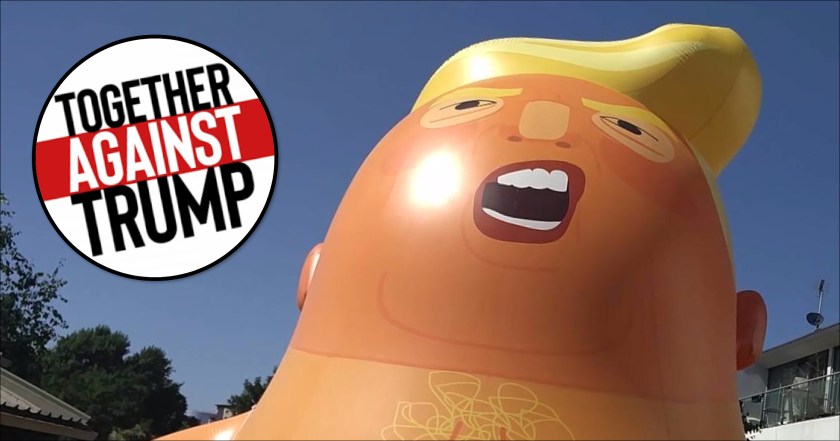
In any case it has been reported that while permission has been given to fly the Trump baby balloon in central London in the morning the Met Police have withdrawn permission for a stage and a sound system in Trafalgar Square at the end of Friday’s protest. A matter one might think for the Mayor to sort out.

The wider historical point is that British ruling class which after all is the oldest in the world has generally preferred not to curtail rights to protest. That needs to be understood however in the context of the labour movement constantly pushing to maintain and extend democratic rights. For example when the Chartists marched in 1848 it was not legal to hold a meeting of more than 50 representatives without getting official permission.

We need only look at Friday’s protest to understand why in general it has been preferred to allow rather than prevent protest. Without a stage or sound system in Trafalgar Square there would be nothing to hold a potentially very large demonstration there. It might set off in various directions creating a policing nightmare.

That generally has been the historical view too. The authorities preferred to have protest where they could see it and indeed police it.

There have been exceptions and these have underlined that underneath the apparently benign position of allowing the democratic right to protest lies an iron fist.

The iron fist consists of heavy policing (historically the army was also used) together with judges who took particular views of how laws should be understood and implemented.

In 1848 the State arrested, very largely on as it were trumped up grounds, most of the leading Chartists and jailed them. Some demonstrations,  for example on 12th June 1848 at Bishop Bonners Fields in Bethnal Green, were banned and the police and army occupied the space to make sure.

In much more recent times the policing of the 1984/5 miners strike followed a very similar pattern. An official investigation into what took place at Orgreave is still too awkward it seems.

As EP Thompson had it: protest and survive