Articles

Labour Beard Power sees electoral advance in Medway

In Uncategorized on March 10, 2018 by kmflett

Beard Liberation Front

PRESS RELEASE 10th March

Contact Keith Flett     07803 167266

Labour Beard Power sees electoral advance in Medway

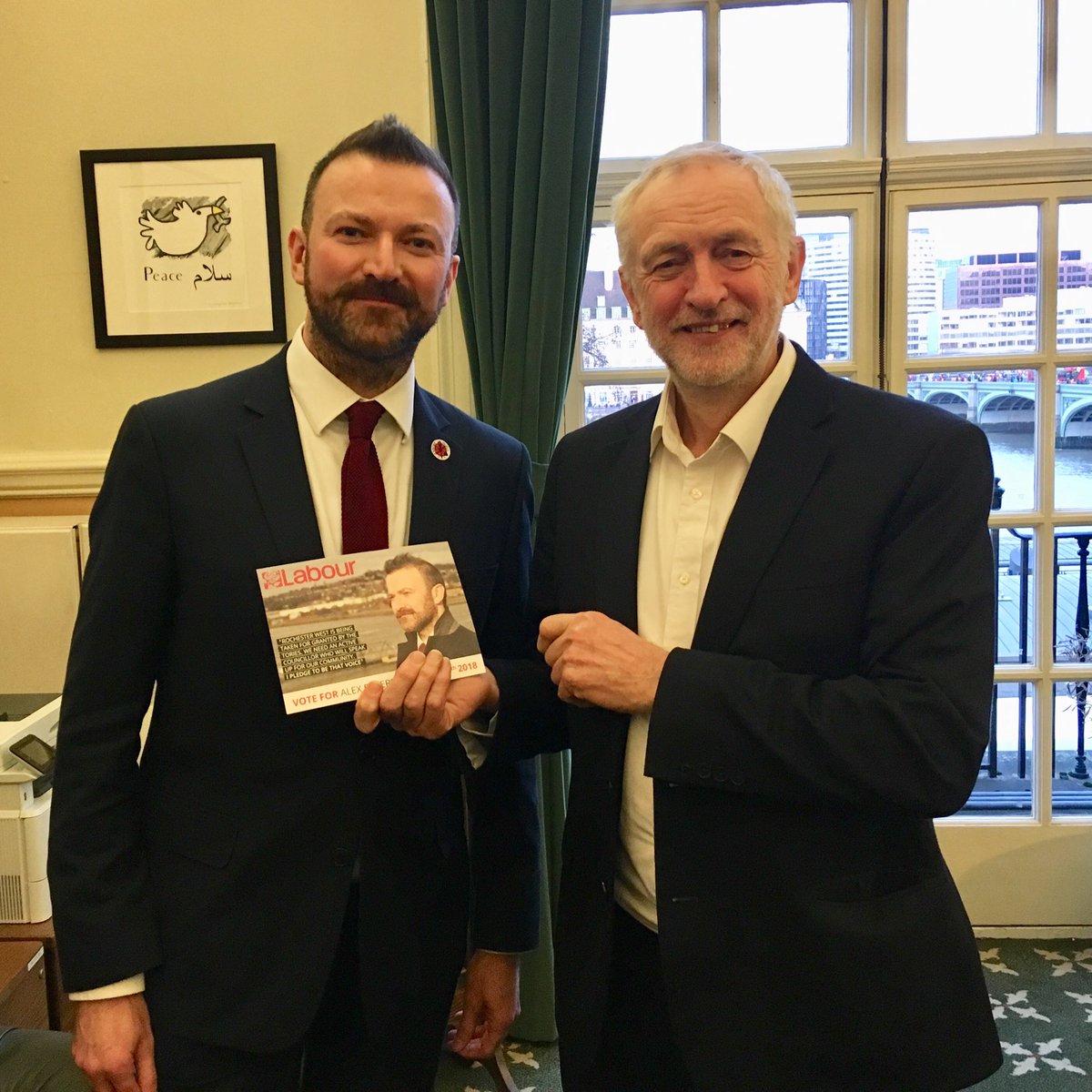
The Beard Liberation Front, the informal network of beard wearers, has welcomed the victory of hirsute Labour candidate Alex Paterson in a By-Election for Medway Council on Thursday night.

Mr Paterson’s beard stood out in a political culture of Conservatism in the area that has a history of clean shaven reaction.

BLF Organiser Keith Flett said, whether you support Labour or not, the important wider message of Mr Paterson’s decisive victory is that even in areas like Medway where politics has not been hirsute heavy in the past, beards are now electorally popular. The message is clear. Electors trust a candidate with a beard.

Rochester West (Medway) result:

LAB: 47.5% (+26.5)

CON: 39.5% (-4.0)

LDEM: 4.7% (+1.0)

GRN: 4.2% (-6.1)

UKIP: 4.1% (-16.2)

Labour GAIN from Conservative.

Articles

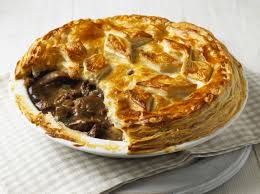
Pie Week poll on the most Beard Friendly Pie of 2018

In Uncategorized on March 9, 2018 by kmflett

Beard Liberation Front

PRESS RELEASE 9th March Keith Flett 07803 167266

PIE WEEK POLL ON THE MOST BEARD FRIENDLY PIE OF 2018

The Beard Liberation Front, the informal network of beard wearers, has said that with the end of British Pie Week it is running its annual poll on the most Beard Friendly Pie.

The traditional macaroni pie most popular in Scotland came top of the poll in 2017 with butter pie (potato & onion), a traditional speciality in north-west England in particular, second

The hirsute campaign group say that as with many prepared foods the requirements of people with beards are often overlooked when it comes to pies. The outcome of the annual poll often reflects that with traditional pies designed for eating ‘on the go’ easily beat leading pie brands.

The BLF says that common issues with pies for those with beards are:

Excessive gravy

Puff or flaky pastry which ends up in the beard not the mouth

‘Deep filling’ making it difficult to avoid contact of the pie with the beard

The campaigners cite some types of the traditional steak and kidney pie as an example of pies which are made without thought for the requirements of the hirsute pie consumer. Such pies often have excessive gravy- and comparatively little steak and kidney- which ends up in the beard

BLF Organiser Keith Flett said we continue to pursue the ultimate beard friendly pie. The winners in our poll are not ones with gravy that dribbles in the beard of puff pastry that lodges in it. They are also not often ones that large pie manufacturers produce commercially. Perhaps there is food for thought there.

Beard Friendly Pie 2018

Steak & Kidney

Steak & Ale

Chicken, Ham & Leek

Chicken & Mushroom

Cheese & Potato

Macaroni

Mushroom & Asparagus

Salmon & Broccoli

Scotch Pie

Mrs Kings Pork Pie

Butter

Meat Pie with green liquor

Previous winners of the Beard Friendly Pie of the Year

2017 Macaroni pie

2016 Scotch pie

2015 Chicken & Mushroom

2014 Beef & London Porter

2013 Chicken & Ham

2012 Cheese, Onion & Potato

Articles

Politician Lee Reynolds joins Beard of Ireland poll

In Uncategorized on March 9, 2018 by kmflett

Beard Liberation Front

Press release 9th March

Contact Keith Flett 07803 167266

POLITICIAN LEE REYNOLDS JOINS BEARD OF IRELAND POLL

The Beard Liberation Front, the informal network of beard wearers, has said that competition for the Irish Beard of the Year title continues to bristle with the addition of DUP politician Lee Reynolds.

The BLF is grateful to Sam McBride of the Belfast Newsletter for flagging Mr Reynolds’s beard which he described, correctly, as being W G Grace like in style.

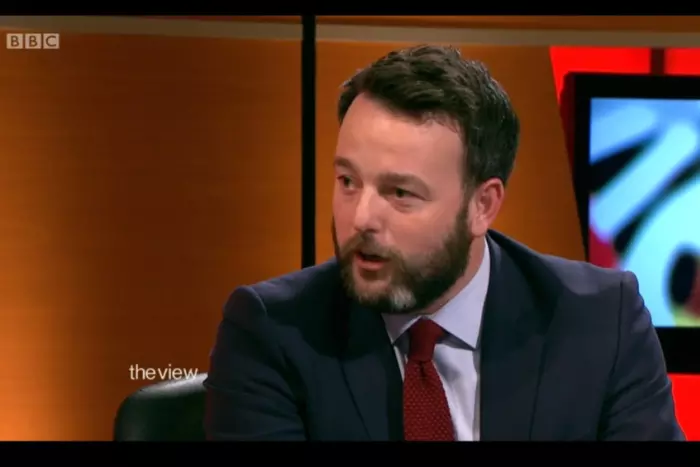
The 2017 winner was politician Colum Eastwood who bearded broadcaster William Crawley for the annual Award.

Currently in the 2018 poll writer Dominic O’Reilly leads with Colum Eastwood second and Sam McBride third but there is still plenty of time left to vote.

The 2018 winner will be announced to mark St Patrick Day on 17th March

The BLF says that while traditionally a land of predominantly clean-shaven cultures, Ireland has in recent times become something of a centre for stylish and trendy beards.

Contenders for the title in 2018 include actors, comedians, political activists, journalists and rugby players.

The campaigners say the poll is specifically about the impact the beard of an individual has made in Irish public life and no other factor.

BLF Organiser Keith Flett said, the breadth of beards in Ireland is extending significantly and the addition of Mr Reynolds underlines the impact the hirsute are now making in public life.

The poll closes at midday on 16th March

Beard of Ireland 2018

Steve Agnew, politician

Bundee Aki, rugby player

Gerry Carroll, politician

William Crawley, broadcaster

Stuart Dallas, footballer

Colum Eastwood, politician

David Ford, politician

Roy Keane, commentator

Sam Mcbride, journalist

Damian Mackel, wrestler

David Norris, politician

Dominic O’Reilly, writer

Lee Reynolds, politician

Articles

So, farewell then NME: what was its impact?

In Uncategorized on March 9, 2018 by kmflett

So, farewell then NME

As a Guardian Editorial reminds us its no surprise that the print edition of the NME has ceased and no real reason in the world of 2018 to mourn its passing either.

https://www.theguardian.com/commentisfree/2018/mar/08/guardian-view-demise-of-nme-end-of-era-predictable-editorial

No doubt many,as I do myself, gather information on music and culture from the review sections of the more serious papers, specialist publications and of course the interwebs.

In the 1970s and 1980s I was a regular buyer, reader and writer to the NME though. Fletters were a regular feature of the NME letters page and so were robust responses. When a picture of myself appeared semi-naked in the bath in the penultimate edition of the Sunday Correspondent a helpful reader wrote in to suggest that the shot was missing an electric fire- in the bath.

NME has long since lost the zeitgeist, but it had it once in a powerful mix of music, culture and politics. The Guardian Editorial reminds of the role that the late Steven Wells had on the paper for a while. He was a performance poet under the name Seething Wells for a period and since we shared the same politics, although hardly hair styles, I knew him, although not well. He put together the NME letters page quite frequently though any relation between that and my appearances on it are obviously accidental.

What the Guardian Editorial doesn’t mention is that Chris Dean of the Redskins, a mid-1980s band associated with the Socialist Workers Party, also wrote for the NME under the name X Moore. These were indeed interesting times and its worth reflecting that the music, the culture and the politics will have made an impact on numbers who decades on have influential positions in society. Indeed I know some, but its for them to note the matter not me….


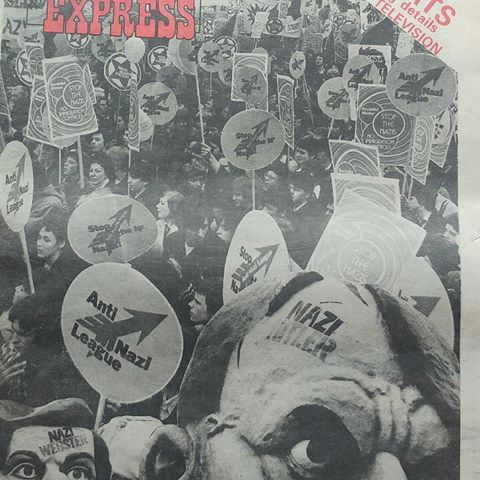
Above is the front cover for 6th May 1978 reporting the previous Sunday’s Anti-Nazi League/Rock Against Racism Carnival in Victoria Park Hackney headlined by the Clash and Tom Robinson. At that point NME spoke for a generation


Articles

In praise of the Telegraph

In Uncategorized on March 9, 2018 by kmflett

25th February 1848: the start of the year of revolutions

It is 170 years since the French people overthrew King Louis Philippe and started a chain of events that led to 1848 being known as the ‘year of revolutions’.

One country that did not have a revolution was Britain and we should expect that point to be echoed again during 2018 by such media as bother to pay attention to history. The general drift is that the British are sensible, moderate people not given to sudden outbursts that remove rulers and overthrow Governments.

In fact Britain did come close to revolution in 1848 and had already one in 1688 which however doesn’t fit the template that the historically lazy use to decide what is and is not a revolution as it didn’t involve any barricades.

Only 4 days before the French events Marx and Engels had published the first edition of the Communist Manifesto. It was produced in London in German only.

The opening statement that a spectre was haunting Europe (or hobgoblin in the first 1850 English translation by the female Chartist Helen Macfarlane), that of Communism was right. However it could be at this stage only a statement. It had no influence on the events in France.

The Chartist movement in Britain had been at a relatively low ebb as 1848 opened. After the earlier failure of petitions for the vote and the 1842 General Strike, the leadership had turned its focus to the Land Plan. This was an idea, put into practice in a few places, to build cottages with small holdings and instead of trying to reform capitalism or get rid of it, to opt out of it.

Events in Paris on 25th February 1848 changed all that.

Within weeks the Chartists were to organise one of the best known demonstrations of the nineteenth century, that on Monday April 10th at Kennington Common. In the context of a revolutionary Europe, the Royal Family fled to Osborne House on the Isle of Wight.

Here we must pause for a moment. This sequence of events makes perfect sense in terms of 2018. However 170 years ago the world in some respects was rather different.

The news of the overthrow of the King in Paris was received in London very shortly after it happened. It appeared in newspapers and was applauded by London theatre crowds, and indeed by Chartists in that final weekend of February 1848.

Yet this was an age with no internet, no TV or radio, nor even any telephone. How did the news get to London so quickly?

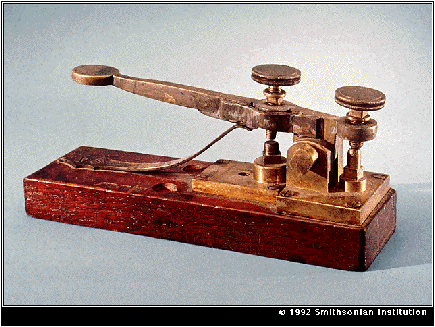
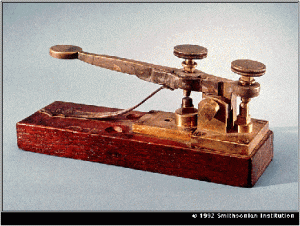
The answer was by telegraph. It is normally thought that what is sometimes called the Victorian internet did not come into use until the 1860s. In reality railway companies introduced the telegraph for signalling purposes during the 1840s. By 1848 some had begun to adapt the system used so that text messages could be sent.

The London and South Eastern Railway had a telegraph network covering the area from the south coast to London. On 25th February a special messenger was despatched by train from Paris to Boulogne. From their a cross channel ferry took the report of the revolution to Dover. There the news was transmitted by the railway’s telegraph to the London authorities and the press.

News of the events of the revolutionary year of 1848 on mainland Europe regularly reached London by this route, well ahead of other European capitals where the telegraph was not yet in use.

The interesting thing is that the start of the revolutions of 170 years ago was spread by means which itself was revolutionary

Articles

Writer Dominic O’Reilly facing Colum Eastwood for lead in Beard of Ireland poll

In Uncategorized on March 8, 2018 by kmflett

Beard Liberation Front

Press release 8th March

Contact Keith Flett 07803 167266

WRITER DOMINIC O’REILLY FACING COLUM EASTWOOD FOR LEAD IN BEARD OF IRELAND POLL

The Beard Liberation Front, the informal network of beard wearers, has said that competition for the Irish Beard of the Year title continues to bristle with the result expected to go down to the last whisker. The 2017 winner was politician Colum Eastwood who bearded broadcaster William Crawley for the annual Award.

Currently in the 2018 poll writer Dominic O’Reilly leads with Colum Eastwood second and Sam McBride third but there is still plenty of time left to vote.

The 2018 winner will be announced to mark St Patrick Day on 17th March

The BLF says that while traditionally a land of predominantly clean-shaven cultures, Ireland has in recent times become something of a centre for stylish and trendy beards.

Contenders for the title in 2018 include actors, comedians, political activists, journalists and rugby players.

The campaigners say the poll is specifically about the impact the beard of an individual has made in Irish public life and no other factor.

BLF Organiser Keith Flett said, Irish Beard of the Year is now an established part of the pre-Easter calendar. The big issue is whether a new beard will win it this year.

The poll closes at midday on 16th March

Beard of Ireland 2018

Steve Agnew, politician

Bundee Aki, rugby player

Gerry Carroll, politician

William Crawley, broadcaster

Stuart Dallas, footballer

Colum Eastwood, politician

David Ford, politician

Roy Keane, commentator

Sam Mcbride, journalist

Damian Mackel, wrestler

David Norris, politician

Dominic O’Reilly, writer

Articles

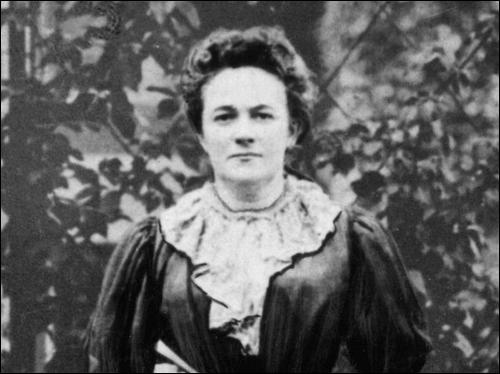
Clara Zetkin & International Women’s Day: remembering & recovering our history

In Uncategorized on March 8, 2018 by kmflett

Clara Zetkin and International Women’s Day

At a seminar in the socialist history series at the Institute of Historical Research on 7th March 2016, Ben Lewis introduced a new volume of translations of the German socialist Clara Zetkin (1857-1933)  he had co-edited He raised a number of interesting points on international women’s day and historical memory.

Zetkin is widely credited with being the key figure behind the original decision to have an International Women’s Day, yet her name is comparatively little known today. In 2018 perhaps thanks to social media there is perhaps increased visibility but also of course a reminder that long after Zetkin died she became an official icon of the old East German State. Hardly what her politics and life had been about.

Numbers of those attending the seminar were people who did remember her name and writings from the 1970s when she was better known in the UK.

Stuart King made the point that Zetkin’s writings on working class women and women’s liberation had, in so far as any were available, been widely read in the women’s movement of the 1970s.

Her focus on working women and socialism and what she saw as the link between the two are less fashionable now perhaps.

John Lindsay made the point that Zetkin in any case needed to be understood in her own historical context and not judged by the concepts of the twenty-first century, some of which at least might not have been current in the early twentieth century.

The appearance of a new volume of her writings reminded that while Zetkin was well known to a generation of socialists in the UK and elsewhere, the work of drawing attention to the significance of what she wrote and did remains to be done anew amongst a new generation of the left who are mostly unaware of her.

Could there be a better case for the existence of socialist historians…..


http://www.merlinpress.co.uk/acatalog/CLARA-ZETKIN–LETTERS-AND-WRITINGS.html

Articles

NME closes print edition: another letters page bites the dust

In Uncategorized on March 7, 2018 by kmflett

The latest owners of the New Musical Express have announced the closure of its print edition

https://www.theguardian.com/media/2018/mar/07/nme-ceases-print-edition-weekly-music-magazine?CMP=Share_AndroidApp_Tweet

No doubt many readers,as I do myself, gather information on music and culture from the review sections of the more serious papers, specialist publications and of course the interwebs.

In the 1970s and 1980s I was a regular buyer, reader and writer to the NME though. Fletters were a regular feature of the NME letters page and so were robust responses. When a picture of myself appeared semi-naked in the bath in the penultimate edition of the Sunday Correspondent a helpful reader wrote in to suggest that the shot was missing an electric fire.

NME has long since lost the zeitgeist, but it had it once in a powerful mix of music, culture and politics.

Above is the front cover for 6th May 1978 reporting the previous Sunday’s Anti-Nazi League/Rock Against Racism Carnival in Victoria Park Hackney headlined by the Clash and Tom Robinson. At that point NME spoke for a generation

Articles

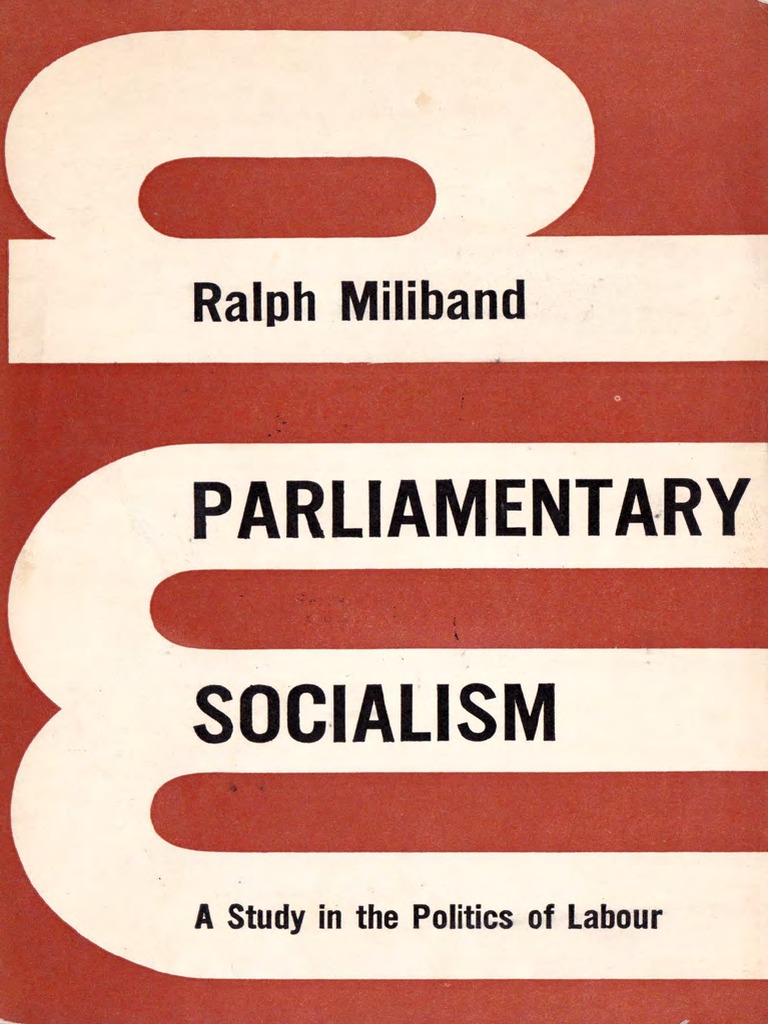
Christine Shawcroft, Momentum & trade unions: an echo of the Milibands

In Uncategorized on March 7, 2018 by kmflett

Christine Shawcroft, Momentum & trade unions: an echo of the Milibands

A Momentum activist, Christine Shawcroft, speaking in a personal capacity has called for the Labour Party to distance itself or perhaps even divorce itself from trade unions. The comment has a flavour of the moment both in terms of various decisions currently in front of the Labour NEC and in the context of the forthcoming appointment of a new Labour General Secretary.

However there is a wider back story here and Shawcroft’s comments echo something of what Ed Miliband was saying in 2013 and 2014, some of which in itself was not entirely unrelated to perspectives put forward by the late Ralph Miliband.

Below is what I wrote for the London Socialist Historians on the subject in February 2014

Historians say Ed Miliband’s Union proposals have echo of father Ralph

The London Socialist Historians Group who organise the socialist history seminar at the Institute of Historical Research in central London have said that Ed Miliband’s plans to change the way trade unions and trade unionists are represented in the Labour Party have an echo of his father Ralph, the late socialist academic, about them.

Mr Miliband’s proposals, revealed in an interview with The Guardian, would abolish the current Electoral College which elects the Labour leader. Instead a system of one member one vote would be used. Trade Unionists who pay the political levy to Labour would be encouraged to become registered members of the Party and given a vote.

The Labour leader has repeated his plan, first made in his speech to the 2013 Labour Conference, to add hundreds of thousands of individual trade unionists as active Party members.

The move would mean an historic change in the way Labour relates to trade unions. It would move away from the institutionalised link with trade union leaders and executives, reflected in the Webbs 1918 Constitution and partly replace this with a relationship with grassroots trade union members

In this Ed Miliband echoes in some respects the views of his father. Writing in the 1976 edition of The Socialist Register Ralph Milband in an article ‘Moving On’ about building a socialist political party argued that:

Clearly, the support of trade unionists is vital for the purpose. But that is not at all the same thing as an organic and organisational link with trade unions

Ralph Miliband’s point was that while left-wing and socialist parties across Europe had links with trade unions, the institutionalised link in the Labour Party was relatively unusual and not always useful in developing a radical politics

LSHG Convenor Dr Keith Flett, said While there is a similarity between the views of Ed and Ralph Miliband about how trade unionists should relate to Labour, history is all about context. 40 years ago Ralph Miliband saw the involvement of trade unionists as a way of overcoming the caution of trade union leaders and moving things in a radical direction. That could still happen of course. But in a period of relatively low working-class militancy the impact of the move might be to make Labour less rather than more radical in the short term


Articles

6-8th March: the start of the British 1848

In Uncategorized on March 7, 2018 by kmflett

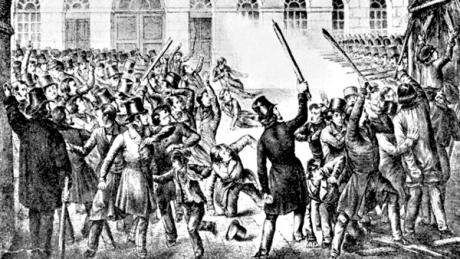
On 6th March 1848 a protest against the new income tax was called by Sir Charles Cochrane was called for Trafalgar Square, then still under construction. The meeting  was banned as it was within a mile of Parliament while the House was sitting. However it went ahead with the novelist, and later Chartist leader, GWM Reynolds chairing it. Speeches were made in support of the Charter and of the French Revolution of 25th February.

In the mid-afternoon the police became involved in scuffles with protesters and this led to 3 days of marching, protesting and smashing of windows and gas lamps in central London. I will write more on that but here is a picture said to depict the events of 6th March and a summary of a contemporary account

Keith Flett is the Editor of a History of Riots (CSP)


  1. The first two pages of a letter from 8 Barbican, London written on March 9th 1848. In the letter is a description of the riots caused by the proposal to introduce Income Tax.  The following is an account taken from the internet:

‘The disturbance took took place at Trafalgar Square – then still under construction, with newly laid roads and hoardings around Nelson’s Column. A planned protest against the then relatively novel idea of income tax had been called by Charles Cochrane for Monday 6 March 1848. Under pressure from the police, however, he reluctantly withdrew and made efforts to cancel the open air meeting. London‘s workers were having none of it, and a crowd estimated at 10,000 strong gathered anyway; the journalist and relative newcomer to Chartism GWM Reynolds took the chair. Though observers later commented that barely a man in the crowd would have been liable to pay income tax, the meeting duly condemned it, congratulated the French people on their efforts to overthrow their government, and made clear their support for the People Charter.  By 4pm that afternoon, the police were in control of the square. But as they withdrew two hours later, the crowd flocked back in, pulling down the wooden hoardings around Nelson’s Column and arming themselves with granite blocks from the new roads. The fighting continued until late into the evening, with parts of the crowd heading off to smash the windows of the gentlemen’s clubs in Pall Mall , breaking into bread shops to seize loaves and – shortly after midnight – moving into Grosvenor Square.  It was 1am before peace was restored, and by 9am the following morning, March 7th 1848, the crowd was back, erecting a barricade in Charing Cross next to the statue of Charles I.  All that day and into Wednesday 8 March the fighting continued. On the Monday, there had been just 1,189 police on duty or reserve in London; two days later, there were 2,460.  Despite the continuing excitement, the police regained control during the course of the Wednesday and the rioting began to subside. This, however, did little to prevent 700 rioters heading for the City by way of Temple Bar and Fleet Street. After a Chartist meeting on Stepney Green that evening, the crowd once again broke windows in the City and along Regent Street . This, however, was to be the end of the tumult for now’.

The letter offered here, dated March 9th (Thursday) 1848, is an extremely rare survivor written during the time of the Income Tax riots and the only one we have seen or indeed can trace. When we obtained it, there was a note saying that the letter was from a H Bliss to his uncle W Bliss of Chipping Norton but the two pages of the letter are all that remains.

The descriptions in the letter very much reflect those in the article but are in parts more detailed.

An interesting comment by the writer: ‘They are also commencing to follow our example in GLASGOW and GERMANY’.