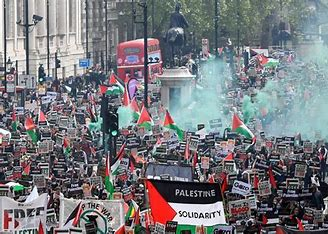
Lord Walney aka John Woodcock has appeared again post-Election. He was appointed by Boris Johnson but is now clearly hoping to attract the attention of some of the more authoritarian figures in the new Government. His song of course remains the same. He wants to restrict and ban protests. Protests on Palestine and climate that is, not Yaxley Lennon and far right protests. The latter elicit no more than a tut from the Lord
John Woodcock was a failure as a right-wing Labour MP between 2010-2019 having come from a New Labour pedigree. In his final period as an MP he sat as an independent after allegations about his behaviour, never resolved, were made. After losing his seat he was made a Peer by Boris Johnson and his journey to the political right has continued since.
He was meant to be producing a report into political violence and extremism in 2021. He has no qualifications or expertise in the matter which may explain why it took three years to appear. It is a very partial document since the now Lord Walney did not bother to meet any of the protest organisations that his report opines on.
Unsurprisingly the measures Walney proposes are themselves extreme, including semi-banning Just Stop Oil and Palestine Action and making demonstration organisers pay for them to be policed. In particular protests on issues that Walney does not like are to be banned.
When Wlalney was an MP he was closely associated with Labour Friends of Israel and now acts as a paid lobbyist for businesses in the oil and climate change area. This is pre-democratic politics before the 1832 Reform Act where political action was determined not by any idea of the common good but purely by the personal interests of office holders.
It might be thought that with an Election Walney’s report will disappear.However its Parliamentary launch aside from being sponsored by a US Pro-Trump concern was chaired by Lord Peter Mandelson. Walney’s lobbying outfit is becoming more focused on Labour and looks a good fit for the authoritarian politics of Starmer.
One thing Walney does not have on his side is something he doesnt know much about-history.
At the Parliamentary launch Walney was asked if the measures he suggests would not have outlawed the suffragettes who engaged in a good deal of often effective direct action protests. His Lordship opined that such protests were OK because those involved did not at that time have the vote.
It’s a sort of Ladybird Book of Politics view of democracy although one Walney may have learnt while in Labour. As Ralph Miliband noted in his history of the early years of the Labour Party it was always the most dogmatic, not about socialism but about its Parliamentary focus.
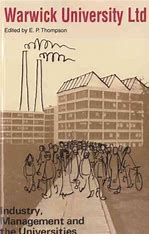
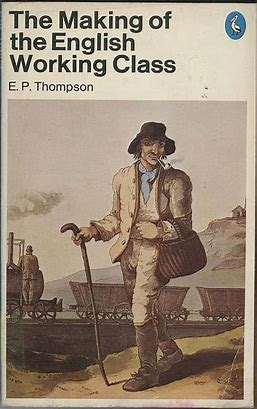
The socialist historian E P Thompson pointed out the attitude of the labour movement and the left in the first half of the nineteenth century was peacably if we can, forcibly if we must with an emphasis on trying every angle of peaceful protest first.
That was not how the predecessors of Lord Walney saw it. When 60,000 gathered in central Manchester on 16th August 1819, known as Peterloo, the peaceful crowd wanted the vote and cheaper bread. The authorities, uncertain about where such protests might lead, attacked the protest and then passed a series of laws, the Six Acts, to crack down on protests.
The labour movement was not deterred. Through the Chartists, the Reform League and the early socialist organisations the right to protest was pursued and mostly secured.
The point, as with current Palestinian marches, is that the right is only protected by exercising. Walney clearly doesn’t think that it exists at all but generally the British State has agreed that the ability to protest is an important part of democracy, just as long as its not actually exercised.
Its worth reflecting that while the ability to organise, hold meetings and marches was largely secured in Britain, elsewhere around the globe where British imperial power was exercised things often looked very different. This was a page Walney did not turn