Articles

The Greening of Hackney & Haringey?

In Uncategorized on April 15, 2026 by kmflett

A JL Partners poll for the Telegraph has suggested that the Green Party may be get the biggest number of Councillors in two London Boroughs on 7th May. They are the neighbouring north-east London Boroughs of Hackney and Haringey.

Leaving aside the Telegraph spin its an MRP poll. The media like these because they ‘predict’ outcomes in each contest rather than just give a national poll. However they don’t poll locally. They take the national figure and apply it to local contests. At the 2024 General Election for example MRP polls suggested the strong possibility that Suella Braverman would lose her seat. Sadly she did not.

Anyway to Hackney and Haringey. Green leader Zack Polanski lives in Hackney and both Councils have a handful of existing Green Councillors. Interestingly on May 7th both Boroughs also have a Green- Socialist pact with the Greens making way for independent socialist candidates in a small number of Wards. The collaborations reflect joint activity over Palestine and Council policies over the past several years.

The background is interesting. In the 2011 AV Referendum Hackney and Haringey both voted for, while hardly anywhere else did. In the 2016 Brexit Referendum they recorded the highest remain votes. The reasons might not be quite what could be surmised. As a Tottenham resident I’d suggest that the Brexit vote did not reflect a huge love for the EU but a correct understanding that Leave meant the racism of Boris Johnson and Nigel Farage- pretty much the last thing residents need. Several years back it was reported that there were 192 different languages spoken in Haringey, and people get along and work together.

It would be good in my view to see some independent socialist representation on both Councils. A key issue is pension fund investment in companies that are on the wrong side on Palestine. Other issues such as continuing austerity and the right to protest are not determined by local Government (but can be fought by it).

Looking at the experience of Councils where the Greens have had control, the record is not hugely impressive, partly because constraints (lack of budget) make change difficult and fulfilment of statutory responsibilities is important whoever . A Green vote would certainly send a message to Starmer but I tend to think a strong, principled and active Green-Left opposition might work best. Others may lean towards a Green Council with independent socialist support.

Either way change is likely. Haringey was formed in 1965 and the only period when Labour has not been in control was 1968-71 when the Tories were in charge. That is an interesting but another story.

By the way certainly in Haringey neither the Tories or Reform will be winning any seats.

As ever the real struggle often lies beyond the Council chamber, On Palestine, on racism and Reform and on the impact of Trump’s War. But in the run up to May 7th there can be expression of that at the ballot box, so campaigning is essential.
Articles

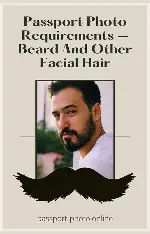
After Michael Rosen travel issue, call for Beard Passports to be issued

In Uncategorized on April 15, 2026 by kmflett

Beard Liberation Front

15th April

The Beard Liberation Front, the informal network of beard wearers, has called for a specific beard passport to be issued for the hirsute who plan to travel across borders.

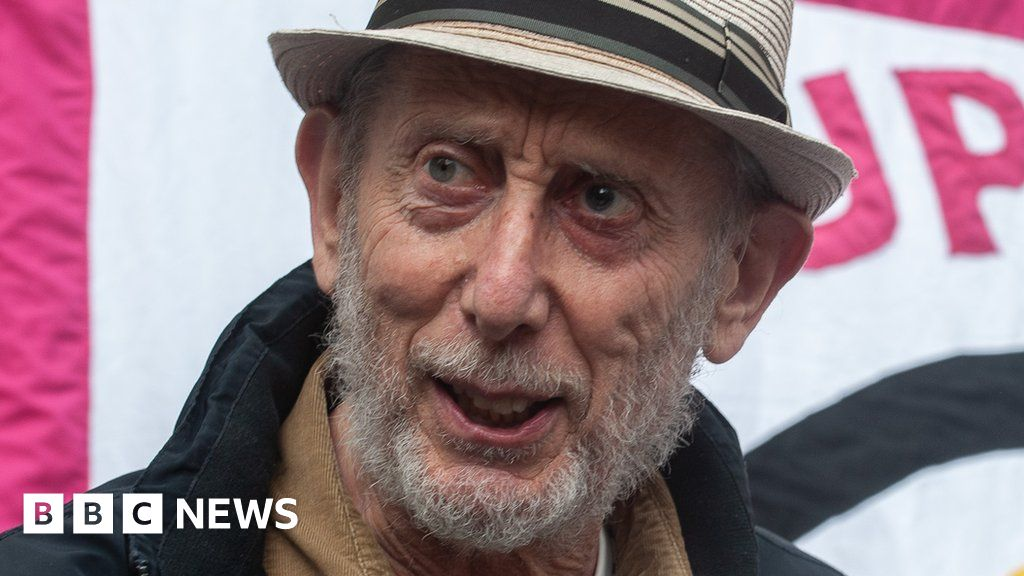
The call come after author, broadcaster and Arsenal fan Michael Rosen, was refused entry to a flight to Bologna where he was due to be named as the winner of a major literary award. The key reason given was that Rosen’s passport did not conform to post-Brexit rules. However he late admitted that he had trimmed his beard before travelling and this may well also have been issue.

Beards and passports have long been an issue because of concerns that facial hair can be used to disguise identity.

The campaigners say these concerns are largely promoted by beard haters but the current complexities of travel indicate that a specific beard passport related to an existing passport could ease delays.

The beard passport would show four photographs of the beard wearer reflecting different stages of their beard wearing from stubble to full organic ZZ Top.

BLF Organiser Keith Flett said, we don’t think anyone should be discriminated against because of their facial hair and Michael Rosen’s case underlines the need for action

Michael Rosen wins Hans Christian Andersen award | Books | The Guardian

Articles

War is good for business

In Uncategorized on April 15, 2026 by kmflett

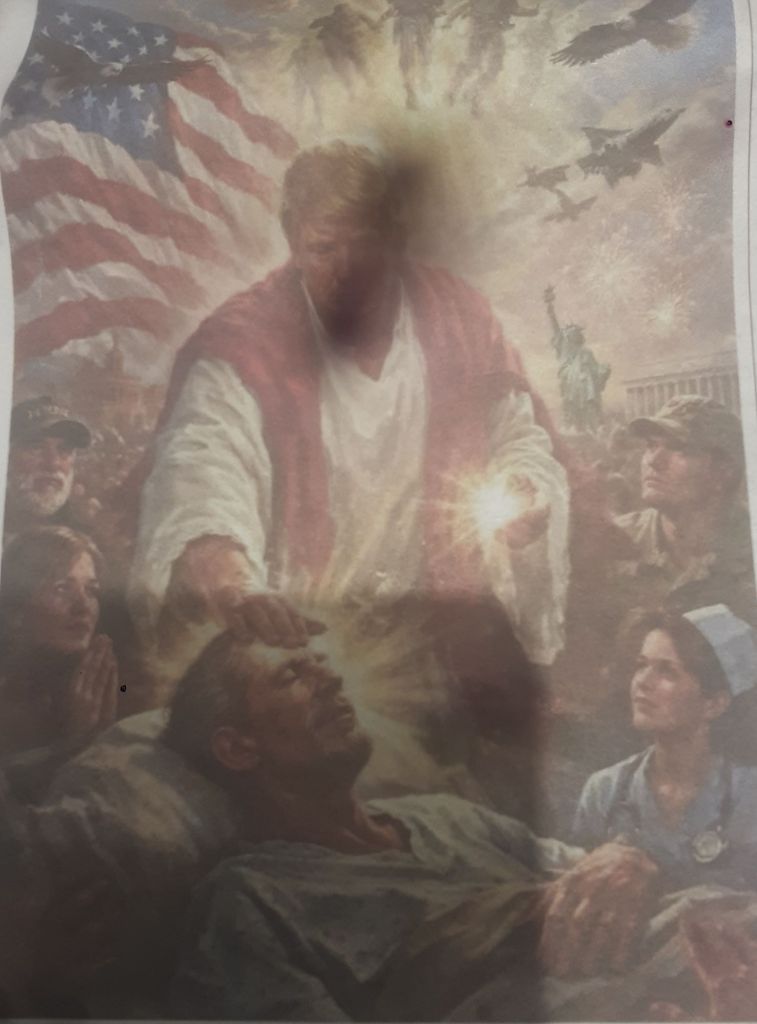
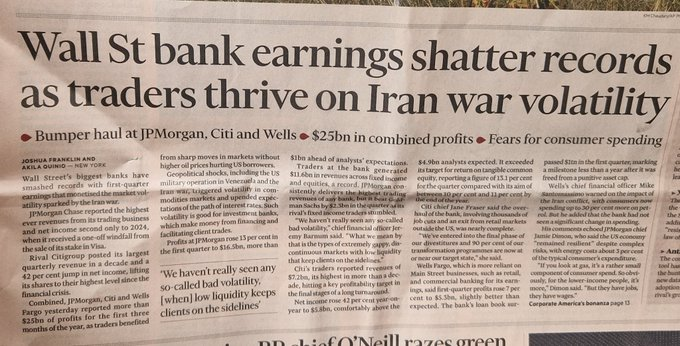
Above is the lead story in the Financial Times 15th April 2026.

It won’t come as a surprise to some at least that war is good for business. According to the report Trumps actions in Venezuela and Iran have produced good rather than bad volatility and led to profits increases. A final paragraph does note that the impact of petrol price rises might hit the least well off more.

War of course is not good for business for ordinary people in Gaza, the West Bank, Lebanon and Iran, some of whom are either dead or injured and many more face destroyed dwellings and food shortages.

Articles

The price of a pint of beer- 1830 to 2026

In Uncategorized on April 15, 2026 by kmflett

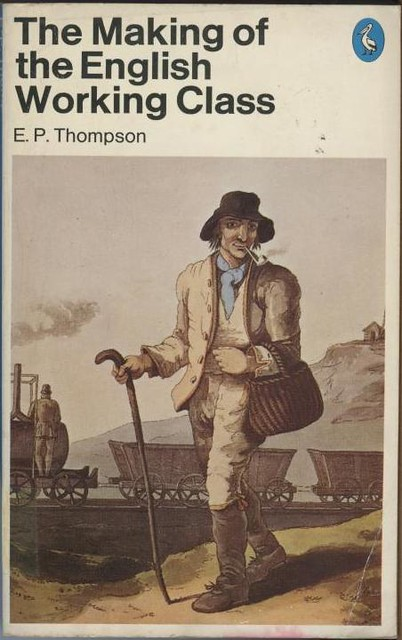
E P Thompson in the Making of the English Working Class notes the importance of beer to working class diets and what happened when the price rose to levels that could not be afforded- primarily tea drinking.

He noted ‘In 1830 the duty on strong beer was repealed and the Beer Act was passed- and within five years 35,000 Beer Shops sprang up.

Fast forward to 2026 and the Morning Advertiser (15th April) has published a survey of beer prices across the UK.

The cheapest pints are mostly in North-West England £2.50 in Bury to £3.50 in Blackpool.

On the expensive side is London £6.50 and Oxford £6.75.

I’ve been in London (where I’m meant to live) for the past few days and can report a pint of Kirkstall (cask) pale in Stoke Newington at £5.20 and a pint of Thornbridge Spring Ale at £6.10 in central London Both pints btw were in excellent condition, suggesting that there was plenty of custom for them.

Its a reminder that increases in the minimum and living wage also see wages rise generally (a rising tide floats all boats) and while the pub trade focuses on increased labour costs its as well to keep in mind that this also means increased ability to buy the beer they are selling

Whether beer is an essential part of the working class diet in 2026 as it was in 1830 is another matter, because while there is still plenty of heavy physical work around that brings the thirst for a pint or two, a desk or shop job may (or may not) be a different matter.

Articles

Ex-NATO boss Robertson backed wars in Afghanistan & NATO

In Uncategorized on April 14, 2026 by kmflett

The left often raise the slogan welfare not warfare underlining that money spent on public services is better than money spent on arms. Harold Wilson when Labour leader and PM in the first half of the 1970s promoted a policy of welfare and warfare. Namely that while defence was important people might query what was being defended if there was poverty and poor services.

An alternative view again has been warfare not welfare. Its a demand that can be heard regularly at the moment with Messrs Putin and Trump leading the way. NATO is often not far behind. It is supposed to be a defensive alliance not one that engages in wars of choice.

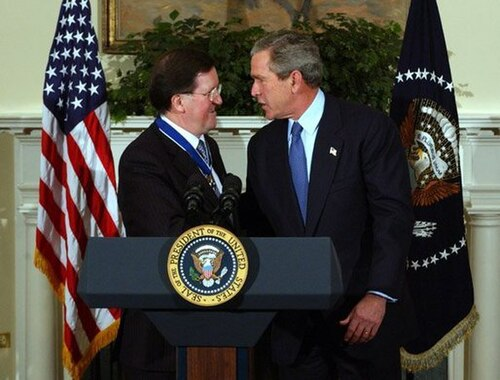
Former NATO Boss and ex Labour MP George Robertson has been in the news attacking Keir Starmer for failing to spend enough on defence. It is an interesting line of argument since Labour has only been office since July 2024 and building new warships and even recruiting more soldiers (assuming either is desirable) takes time. The big cuts in defence came under the Tories from 2010 to 2024.

Robertson was Defence Minister in the early Blair Government from 1997 and was busy backing (unaffordable) increases in military spending even then. During his period as NATO Boss he backed the US (and UK) follies in Afghanistan and Iraq neither of which were conceivably within a North Atlantic Treaty Organisation remit..

Views may and do vary on defence but some historical perspective is important

George Robertson, Baron Robertson of Port Ellen – Wikipedia

Articles

Michael Rosen admits follicle folly may have been partly behind travel issue

In Uncategorized on April 14, 2026 by kmflett

Author, Arsenal fan and former Beard of the Year Michael Rosen, was not allowed on a flight to Bologna on Monday. He was due to receive an award at a literary festival. The technical details related to the amount of time left on his passport which was some months from expiry/

However subsequently Rosen admitted that there might also have been another issue in that he had trimmed his beard before attempting to travel. Beards and passports have long been a contentious issue and it seems his follicle folly may have given passport control an additional reason to refuse boarding

BLF Organise Keith Flett said. its a warning about beards and passports but behind this lies the post-Brexit travel issue. Its indisputable that the key campaigners for Brexit were all clean shaven and may have secretly plotted to cause travel problems for the hirsute.

Articles

Losing my religion

In Uncategorized on April 14, 2026 by kmflett

Articles

Socialist historian E P Thompson on how radical ideas & hope can flourish after being dormant

In Uncategorized on April 13, 2026 by kmflett

Radical ideas can lie dormant for decades, defeated by the deafening propaganda of the status quo; but if circumstances change in such a way as to signal a new opportunity, if there is some reason for hope -they may suddenly flourish on every side

‘Reflections on Jacoby and All That’: An Unpublished Essay by E. P. Thompson | History Workshop

Articles

Long before Your Party. The British left 1890-1930, reform & revolution

In Uncategorized on April 12, 2026 by kmflett

The Executive Committee of Your Party determined on 12th April that those who are members of a list of proscribed organisations are not eligible to be members. It has a whiff of ‘are you now or have you ever been’ but it also ignores the history of how the British left came to be just that.

The current period post the 2008 crash and Brexit is one of political turmoil in Britain but that is reflected across Europe and beyond in terms of the impact on the left.

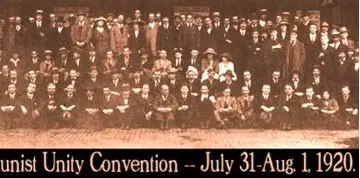
The years from 1890 to 1930 saw a similar turmoil in Britain, though for different reasons. By 1918 most men and women had the right to vote. The great industrial unrest of 1910-12 saw the development of a new militant working class. The imperialist war of 1914-19 impacted on that and new left emerged with the foundation of the Communist Party in 1920, the first Labour Government in 1924 and the 1926 General Strike.

Politically the Independent Labour Party founded in 1893 did not include the Marxist Social Democratic Federation or the Fabians, both of whom had been involved in the discussions but withdrew. The SDF did then look at uniting with the ILP but it was determined this would not work. The two organisations did however at least try to avoid electoral conflicts.

The question changed just seven years later when the issue was finding a way to protect unions and union officials from employers legal attacks.

The Labour Representation Committee was formed at a conference held in Farringdon St, central London, on 26 & 27th February 1900. Its aim was to secure Parliamentary representation for the interests of working people, that is ‘labour’ but in practice union HQs. It was not to obtain a majority Labour Government. Such a matter was un-thought of at the time.

It included the ILP, the SDF, the Fabians and union officials who had in the main been Liberals, hence the term Lib-Lab was used.

The building still stands (much modernised)and the Memorial Hall is marked by a plaque. I covered the offices it now accommodates as a union officer for many years.

In 1906 29 MPs were elected under the LRC banner and the Parliamentary Labour Party was formed. The vote for who should lead it was tied on the first round and on a subsequent vote Independent Labour Party member Keir Hardie just edged ahead.

Naturally there was a good deal of interest in who the 29 Labour members were.

Many were from Lancashire- where the Liberal vote had been weak but anti-Tory feeling still strong. There were also trade union officials and leaders with a minority being ILP socialists like Keir Hardie, Ramsay MacDonald and Philip Snowden,

There were no women- female suffrage did not yet exist. The split between moustaches and beards in the ranks of the LRC MPs was more or less even with Philip Snowden clean shaven.

There is a lot of detailed labour history here, which is not the purpose of this post. The SDF largely absented itself from the LRC and became the British Socialist Party.

The Labour Party as we now know it did not exist until 1918 when Sidney Webb wrote the Constitution which mostly still stands (Clause 4 was amended in the New Labour years). Until then it was not possible to be an individual member. Much of the electoral work was organised by the ILP which remained an affiliated organisation until the early 1930s.

After the formation of the Communist Party in 1920-a key impetus being the 1917 Russian Revolution- the question of how broad Labour was remained open. While applications from the CPGB to join Labour were rebuffed there were on occasions joint Labour and Communist candidates at elections. Saklatvala was elected as an MP for Battersea on this basis in 1922. However by the late 1920s the possibility of Communists being part of a Labour Broad Church was closed off.

The point I am making here, I hope, was the political turmoil of the 40 years from 1890 to 1930 (more turmoil was of course to come after that) saw left-wing organisations formed, reconfigured and founded to fit the political needs of the time. It was unavoidably messy and sharp arguments and differences existed (for example on opposition to the First World War, and whether Parliament was an effective vehicle for socialist advance- see Lenin, Left Wing Communism). However the kind of administrative measures seen on 12th April were not central to how matters played out.

Why? Because the left politics did have a considerable sometimes mass working class constituency who were looking for ways to improve and change the world. That acted as corrective on sectarian squabbles, even though they certainly existed.

Of course within this was a constant interplay between reformist and revolutionary politics. The formation of the CPGB marked a distinctive break except that for almost ten years from 1920 the theory and sometimes the practice was to work also within the wider reformist current.

I should perhaps underline that the above is schematic and designed in part to provide context to discussion about dual membership in Your Party. There is a lot of history here. Walter Kendall’s book on the period before the formation of the CPGB, long out of print, has recently been republished. I didn’t agree and still don’t with some of the key points but as a lengthy introduction to the complexities of left politics in a key period in British labour history it is well worth reading.

Articles

The Roger Scruton restaurants in Budapest, Orban & Matthew Goodwin

In Uncategorized on April 12, 2026 by kmflett

The Roger Scruton Restaurants in Budapest, Orban & Matthew Goodwin.

The defeat of Viktor Orban in the Hungarian Election on 12th April brings into focus a wider layer of hard and far right political networks

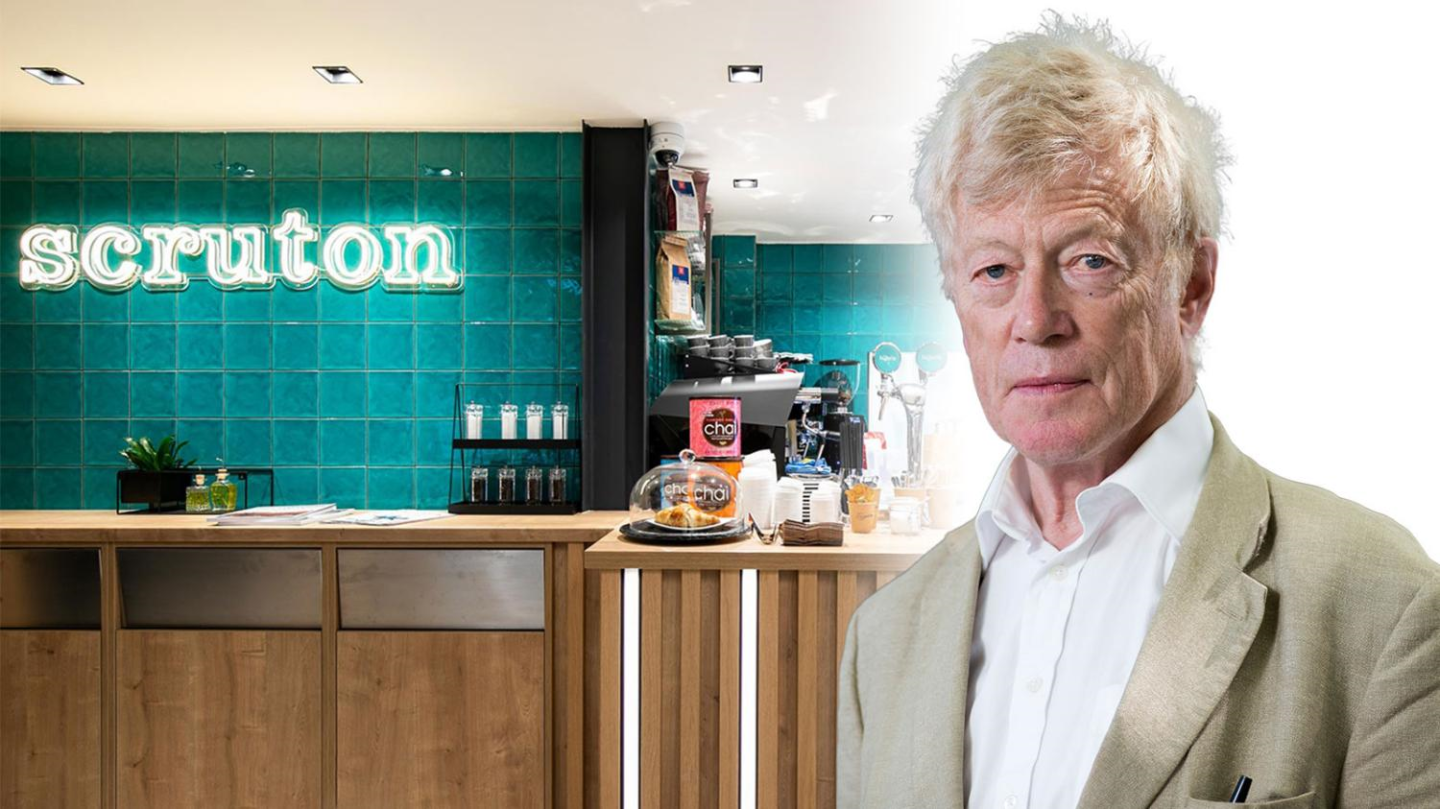
The right-wing philosopher Roger Scruton (1944-2020) is perhaps best known as a wine critic (in the New Statesman). Boris Johnson noted on his death that ‘we have lost the greatest modern Conservative thinker’.

References to Scruton’s favourite foods (clearly matched with wine) are limited but judging by a chain of three Roger Scruton restaurants that have opened in Budapest foie gras may have been one.

The restaurant’s menu changes weekly and Scruton’s name is associated with one dish each week. It is reported that memorabilia from Scruton decorates the walls. The general idea seems to be that as Hungary has a hard right Government then Budapest is the ideal location for Scruton themed restaurants.

Scruton was honoured by Orban before his death in 2019.

Meanwhile Matthew Goodwin, Reform candidate in Gorton and Denton, has been associated with the MMC think tank funded by the Orban Government.

After MCC’s 2024 summer festival, Goodwin tweeted: “I just spent 4 days in Hungary, a conservative country criticised by elites across the West. I saw no crime. No homeless people. No riots. No unrest. No drugs. No mass immigration. No broken borders. No self-loathing. No chaos. And now I’ve just landed back in the UK.”.

Goodwin also manages an apparently made up quote from Scruton in his latest self-published book. Why it was necessary to make one up, when actual Scruton quotes are freely available from his thoughts on the Archers to a dispute with E P Thompson about how much wealth the historian had.

With Orban out of office Goodwin may end up out of pocket on fees for speaking at Orban funded events.