Articles

Histories of the present: how the Brexit debate has changed since 2016 (& how it hasnt)

In Uncategorized on January 8, 2019 by kmflett

Histories of the present; how the Brexit debate has changed since 2016 (& how it hasn’t)

Guardian writer Aditya Chakrabortty brought an important perspective to what the terrain of a second referendum on EU membership would have to look like if a different outcome to the first was hoped for in a recent Guardian article. (Guardian 21.12).

https://www.theguardian.com/commentisfree/2018/dec/20/national-emergency-brexit-vote-westminster

There is an important back story to the matter. In the original referendum there were those who argued that while they accepted that the EU needed to be reformed Britain was still better in than out.

At least some of that was based on the concern that a leave vote would lead to a rise in racism (given some of the key leading Brexiteers were people like Farage and Johnson). That is not the same as saying that those who voted Leave were racist, some may have been, just as some who voted Remain will have been. However concern about increased racism was a key reason why I voted remain as did three-quarters of voters in Tottenham were I live. It is not the same argument as that around ‘free movement’. The EU currently allows free movement within its borders and rigorously blocks refugees outside of that framework where it can.

Others, looking at the recent experiences of Greece, queried whether it was possible to change the fundamentals of the EU. That debate has now largely disappeared and supporters of remain now appear, in the main, entirely uncritical of the EU, and are sometimes to be found waving EU flags on protests.

Chakrabortty is right that if the voices of those who think the EU as it is now is just great predominate in another referendum, should one occur, it will produce the same result as the first. As he argues, to achieve a different outcome requires a radical campaign led by Labour to show that a remain vote could be used to build a more progressive and equal country. Whether the EU would live with that is another matter and whether LibDem and other austerity obsessed Remainers would also live with such a campaign is also a big question. At best we might get a genuine political argument over not Europe but the structure of the EU that would be worth having.

I’d prefer a General Election before any attempt to have a further vote on leaving the EU if there is to be one. A focus on opposing austerity and fighting racism has the potential to unite the progressive elements of remain and leave while a vote before an Election has a worrying potential to stoke division.

One might also suggest that anyone who genuinely hopes to remain in the EU really depends on a Labour Government prepared to start ditching austerity first. That is a perspective on those who argue that things have changed since June 23rd 2016 so another vote would produce a different outcome. At the moment not enough has changed to make that anything like an obvious outcome. We still have a Tory Government committed to austerity policies and an EU that has no particular issue with that approach. Both were issues in 2016 and that aspect of the discussion seems to have been lost in the intervening period on social media and amongst the vaguely left commentariat but not I think amongst those who voted leave as Chakrabortty rightly notes.

Histories of the present are contingent but still worth a thought.

Finally, just another reminder. I voted Remain in 2016

Guardian Editorial on a return to the people on Brexit:
https://www.theguardian.com/commentisfree/2019/jan/08/the-guardian-view-on-brexit-the-government-has-failed-its-time-to-go-back-to-the-people?CMP=Share_AndroidApp_Tweet

Articles

Macron & the ‘Mob’

In Uncategorized on January 7, 2019 by kmflett

Macron and the Mob

The protests by the Gilets Jaunes have not gone away. There were significant numbers out on the first Saturday of 2019 although UK media coverage of yellow jackets now focuses more on very small groups of fascists who parade around wearing them. One small group attacking an RMT picket line at Manchester Victoria station on Saturday for example.

The Gilets Jaunes are politically mixed certainly but very much tied up with protests about President Macron’s neo-liberal policies and their impact on the less well off members of French society.

The President recently sounded off about the Gilet Jaunes. According to the Financial Times Macron: ‘called out those who “take the pretext of speaking in the name of the people . . . [but] are only the mouthpieces of a hateful crowd”.

The word he used in French was ‘foule’ which while it seems to translate to crowd in the English hence the FT line) I’m assured by those who have a much better grasp of French usage than myself that it is used as an insult by the President.

The usage is important because historically there is a world of difference between using the term ‘mob’ which I suspect is what Macron is on about and describing the same gathering as a crowd.

Edmund Burke commenting on the French Revolution saw only a ‘mob’. Later historians have taken a different view. George Rude, probably the leading historian of crowds, used the term deliberately to cover a broadly progressive gathering of people. E P Thompson was slightly less sure detecting in some crowds, for example the Bristol Riot of 1831, elements of behaviour such as book burning which would have been better attributed to a reactionary mob.

Anyway see you in the crowd in central London on 12th January

http://www.thepeoplesassembly.org.uk/ge_now_jan12


Articles

Industry faces New Year beard crisis as people Brexit shaving

In Uncategorized on January 7, 2019 by kmflett

Beard Liberation Front

PRESS RELEASE 7th January

contact Keith Flett 07803 167266

INDUSTRY FACES NEW YEAR BEARD CRISIS AS PEOPLE BREXIT SHAVING

The Beard Liberation Front, the informal network of beard wearers, which campaigns against irrational prejudice against the hirsute, has said that new figures obtained by the Daily Mirror, point to a New Year crisis for the shaving industry as beards continue to grow across the UK.

Sales of razors, blades and shaving accessories dropped by £23.3 million in 2018  five times the drop in 2017.

The Grocer has reported a sales dip at Gillette of 4.5% around £11 million worth of business.

The shaving industry tends to see the decline in sales of its products as a sign that men are adopting a more casual look, code for scruffy, but the campaigners say that in reality far more time goes into perfecting a beard than it ever does into a quick morning shave.

BLF Organiser Keith Flett said we’re concerned that the decline in sales of shaving products does not lead to job losses in the industry. There is a need to develop alternative products such as beard balms and oils together with a range of beard care preparations to save jobs.

Articles

Newport 1839-2019

In Uncategorized on January 6, 2019 by kmflett


Newport 1839-2019

The victory of Newport over Leicester in the FA Cup on Sunday marks a great start to an important year for the City

It is 180 years on 4th November since the Newport Rising in South Wales.

The events of that day may have had a revolutionary character but the specific aim was clear. The Chartists were after the kind of political democracy- adult suffrage and secret ballots- that we take for granted now. They had tried petitioning Parliament, they had tried a General Strike in August 1839 (National Holiday]. They had been ignored. The resort to arms was a last resort.

The traditional histories note that male (and some female] Chartists marched from a number of mining areas outside of Newport such as Merthyr and Pontypool with the aim of rallying in the town itself.

As many as 9,000 Chartists gathered on the Saturday and Sunday 2nd and 3rdNovember 1839 before marching into Newport early on the Monday morning of 4thNovember. In the days before the telephone let alone social media, to co-ordinate a series of marches, some miles in distance, to arrive at the same time was problematic. Probably around 5,000 Chartists had rallied near Tredegar House on the outskirts of Newport on the Monday morning ready for the final push on the town centr.

Many were armed, some with guns other with pikes and clubs. Certainly numbers had visited pubs on the march in- hardly surprisingly given the time taken and the weather- and it hardly amounted to a revolutionary army. Even so their thousands far outnumbered anything the authorities could muster.

What exactly the plan was is disputed. It may have been to liberate the occupants of the Workhouse on Stow Hill and some Chartists that were held there and then to move on to Monmouth to free the jailed Chartist leader Henry Vincent.

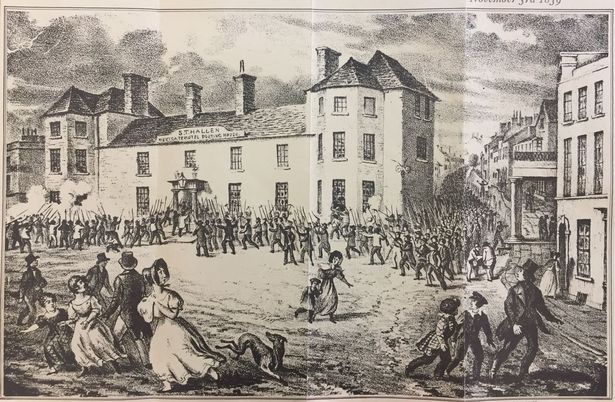
In practice they marched to the bottom of Stow Hill and encountered the British Army at the Westgate Hotel at the bottom the centre of Newport. There was a confrontation and numbers of Chartists were left dead, upwards of 20 in all probability with many more seriously wounded. Many were arrested and sentenced to prison. A few leaders such as John Frost, originally sentenced to be hung, drawn and quartered were despatched to Australia. They were later pardoned. A few escaped altogether.

The perspective is that the Chartists were no match for the forces of the British State and that the whole thing was a disaster.

Well, not quite.

In fact the Chartists were much better organised and led than the traditional histories suggest. They were shot down too not by a regular army unit but by a detachment of the crack regiment of the British Army at the time, the 45th, sent to do a particular job. Soldiers from the same regiment had shot down rebels at the Battle of Bossenden Wood in Kent in 1838.

Amongst the Chartist leaders on the day was someone known as Jack the Fifer [John Rees] who had fought at the Alamo with the Free Texan Army in 1835 and so had revolutionary military experience.

Moreover the Newport Chartists did not act alone. Their rising was to be the signal for other Chartists around the UK to do the same.

Clearly tactical mistakes were made. Leaving aside whether many of those who participated in the march in Newport understood exactly what was planned and what opposition they might meet, it must be questioned why it was necessary to confront the 45th Regiment in the Westgate Hotel when they did.

The Chartists easily had the numbers to occupy and control Newport in the face of which a small number of even crack troops could have done little.

It was not to be, but the problem lay with tactics and strategy not support.

The impact of defeat on Welsh Chartism and Chartism more generally is perhaps worthy of further research. Malcolm Chase has picked up some themes.

Certainly it was to be almost 10 years-in the summer of 1848 and in the Year of Revolutions that further attempts at armed revolt were to take place, for example in Bradford in June and London in August.

Again however the conspiratorial model of organisation was foremost and the results arguably all too predictable.

My wider thoughts on models of revolution and Newport 1839 are here:

Newport 4th November 1839: could revolution have worked?


Articles

The Ambridge Socialist poll. Who are the Gills?

In Uncategorized on January 6, 2019 by kmflett

The Ambridge Socialist

6th January

Who are the Gills?

Home Farm

The Ambridge Socialist runs (usually) weekly polls on matters of interest that occur in Ambridge.

The first 2019 poll focuses on the identity of the Gills.

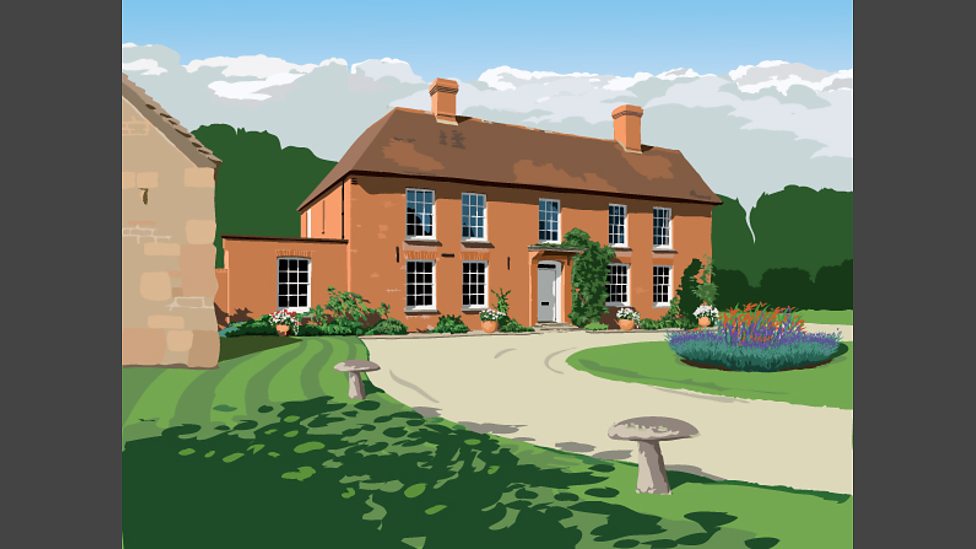
They, according to the BBC, are the new owners of Home Farm. Brian and Jennifer having been forced to move out to a terribly cramped (and possibly temporary) hovel to fund the clean up of poisonous waste that Brian allowed to be dumped on farm land.

All we know about the Gills is that they held a New Year party and left something of a mess around the premises as a result. We have heard not a word from them or any explanation as to who they might be.

We can however speculate?

Who are the Gills?

A front name for Justin Elliott

Nigel Pargetter returning under assumed name

Friends of Matt Crawford

Property developers

Eastenders actors in 2nd home.

None of the above

Articles

Eric Hobsbawm, John Le Carre & MI5

In Uncategorized on January 6, 2019 by kmflett


Eric Hobsbawm & John Le Carre & MI5

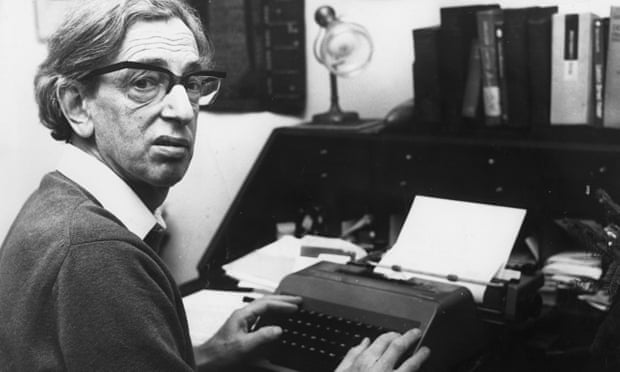
The Observer (6.1) carries an interesting detail from Richard J Evans forthcoming biography of the late Marxist historian Eric Hobsbawm (d 2012).

https://www.theguardian.com/books/2019/jan/05/john-le-carre-eric-hobsbawm-tinker-tailor-marxist-academic

In the book he relates exchanges between Hobsbawm and John Le Carre as the author had on one occasion used the very similar name of ‘Hobsbawn’ for a British civil servant seconded from M15 in his novel The Perfect Spy (chapter 9).

Hobsbawm felt that given that he was the subject of long-term MI5 surveillance even an inadvertent suggestion that he was somehow connected to them (in effect meaning he was a double agent) was not appropriate.

Le Carre apologised but did not, as requested, change the name.

While we were of different generations and from rather different places on the left, as a socialist historian I did myself have the occasional cordial exchange with Hobsbawm.

Before he died Hobsbawm asked to see his security services file but this was denied. In 2014 some files relating to him and to another Marxist historian the late Christopher Hill were released but much remains either redacted or entirely withheld.

https://www.theguardian.com/world/2014/oct/24/mi5-spied-historians-eric-hobsbawm-christopher-hill-secret-files

Perhaps a future Labour Government might address the matter….


Articles

The Ambridge Socialist: Has Nigel Pargetter bought Home Farm?

In Uncategorized on January 6, 2019 by kmflett

The Ambridge Socialist

The real Borsetshire Echo: over 60 years of class struggle in Ambridge

January 6th 2019 CONTACT KEITH FLETT 07803 167266

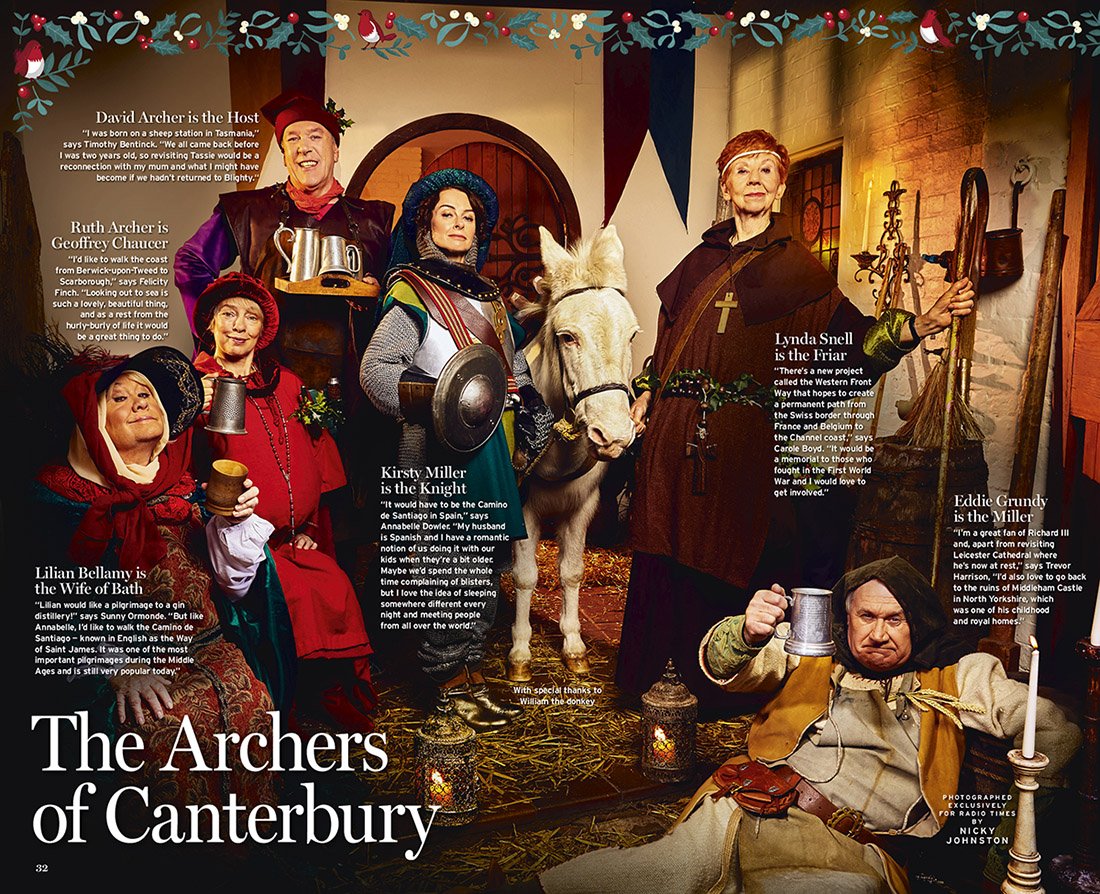
Attempts to rig Canterbury Tales vote

The BBC has reported widespread attempts to rig the vote for the best tale in Lynda Snell’s version of Canterbury Tales. The winner gets the rather doubtful prize of dinner for two at Grey Gables. The Ambridge Socialist block vote was cast for the Miller’s Tale as it mentioned farting but no doubt bourgeois pretensions will see another victor.

Has Nigel Pargetter bought Home Farm?

Ambridge was rife with rumours this week as to who the real buyer of Home Farm might be. Matt Crawford was viewed as unlikely but Nigel Pargetter was a favourite. He allegedly fell to his death from Lower Loxley roof 8 years ago on 2nd January 2011. However it has been suggested that the death was faked and it was in fact a cadaver that fell from the roof. Nigel simply had more interesting things to do than hang around in Ambridge but may have now decided to return.

Ambridge in 2019

Brian Aldridge finally goes to jail

Faced with discipline for incompetence PC Burns takes early retirement

The Bull goes bankrupt

Freddie Pargetter returns to lead gang warfare in Ambridge

Justin Elliott announces plans for a shopping centre on the current site of Grey Gables including a drive-thru McDonalds

The Ambridge Socialist Review of Lynda Snell’s production of The Canterbury Tales searching for a moral economy

https://kmflett.wordpress.com/2019/01/05/the-ambridge-socialist-review-of-lynda-snells-production-of-the-canterbury-tales-searching-for-a-moral-economy/

The BBC has kindly broadcast both halves of the Ambridge production of Chaucer’s Canterbury Tales.

It is worth two hours or so of your time, (link below)

The First Half

The Knight’s Tale goes on a bit and takes up the best part of half the time. The knight is the only really solid bourgeois character in the Tales and the story is inevitably about honour and appropriate behaviours (and death).

The Miller’s Tale is rather more entertaining (featuring Eddie Grundy as the Miller) and has farting and false bottom jokes. Rather more centrally Chaucerian one might say.

The Wife of Bath’s Tale (Lilian of course) features Lynda Snell as a crone which appears to be typecasting at least until the last few lines.

The Sailor’s Tale (featuring Jazzer) is a brief end note about infidelity (another favourite Chaucerian theme) and money.

The Second Half

The Pardoner’s Tale is about greed and death and the relationship between the two. Susan Carter who sells poison as a chemist might reasonably complain about typecasting

The Friar’s Tale essentially about the doubtful behaviour of public officials and ultimately the hell that they’ll go to displayed, in the view of the Ambridge Socialist critic, some particularly good character acting

The Franklin’s Tale features Peggy Woolley as a magician (but not quite ‘just like that’) is a tale of honour where nothing that much really happens. A sort of Chaucerian interlude of lighter relief

The Bailiff’s Tale

This, in the Snell version of the Tales, is essentially a sequel to the Miller’s Tale in the first half. The miller is involved in trying to cheat people out of their due amount of wheat, while two students who appear to expose him also cheat on him. It is a tale of morals and moral economy involving revelry and, as in the first half, ‘The miller is broadcasting from both ends’. Great bawdy stuff.

An entertaining seasonal diversion, decently acted and underneath perhaps is a concept of the moral economy of Ambridge. The characters are what would today be called middle class to one degree or another (the concept did not exist in Chaucerian times) struggling to find out what behaviours and morality are appropriate or otherwise in changing times.

Link

https://www.bbc.co.uk/programmes/m0001x3r


Articles

Time Work Discipline & the Twelve Days of Christmas

In Uncategorized on January 5, 2019 by kmflett

Time Work Discipline & the Twelve Days of Christmas

January 5th is Twelfth Night, in the traditional calendar a festival to rival that of Christmas Day, and January 6th Epiphany. These dates mark the end of the Christmas holiday period.

How far people in work in 2018/19 observes a 12-day holiday or take time off depends on occupation, employer practices and individual circumstances. It may be that some official statistics are collected on the matter- although I’m not aware of them.

Whether time off is extended or otherwise over the Twelve Days has been the subject of employer and class led change.

For example Hutton in Stations of the Sun notes that in 1797 the Customs and Excise Office in London closed for six days between December 21st (St Thomas’s Day) and 6th January (Epiphany). By 1838 it opened on every day except 25th December. Hutton notes that between 1790 and 1840 ‘employers, led by the Government, carried out a ruthless pruning of the Christmas holidays..’ The 1833 Factory Act had decreed that, Sundays aside, the only days when a worker should not attend work were Christmas Day and Good Friday. The 1871 Bank Holiday Act added a few Mondays into the equation as well as St Stephens Day (Boxing Day)

However from the early 1840s, led by Charles Dickens, efforts to reclaim and promote Christmas as a popular festival of harmony and social peace, certainly for the middle classes were well underway. Hutton notes that in 1847 the Poor Law Commission allowed a Christmas dinner in all Workhouses. The modern Christmas was under development.

The point being that time taken off work at Christmas (or not) although dictated to an extent by the 12 days of the traditional calendar has also been about the promotion or denial of people to take time off work.

Articles

The Ambridge Socialist Review of Lynda Snell’s production of The Canterbury Tales: searching for a moral economy

In Uncategorized on January 5, 2019 by kmflett

The Ambridge Socialist Review of Lynda Snell’s production of The Canterbury Tales searching for a moral economy

The BBC has kindly broadcast both halves of the Ambridge production of Chaucer’s Canterbury Tales.

It is worth two hours or so of your time, (link below)

The First Half

The Knight’s Tale goes on a bit and takes up the best part of half the time. The knight is the only really solid bourgeois character in the Tales and the story is inevitably about honour and appropriate behaviours (and death).

The Miller’s Tale is rather more entertaining (featuring Eddie Grundy as the Miller) and has farting and false bottom jokes. Rather more centrally Chaucerian one might say.

The Wife of Bath’s Tale (Lilian of course) features Lynda Snell as a crone which appears to be typecasting at least until the last few lines.

The Sailor’s Tale (featuring Jazzer) is a brief end note about infidelity (another favourite Chaucerian theme) and money.

The Second Half

The Pardoner’s Tale is about greed and death and the relationship between the two. Susan Carter who sells poison as a chemist might reasonably complain about typecasting

The Friar’s Tale essentially about the doubtful behaviour of public officials and ultimately the hell that they’ll go to displayed, in the view of the Ambridge Socialist critic, some particularly good character acting

The Franklin’s Tale features Peggy Woolley as a magician (but not quite ‘just like that’) is a tale of honour where nothing that much really happens. A sort of Chaucerian interlude of lighter relief

The Bailiff’s Tale

This, in the Snell version of the Tales, is essentially a sequel to the Miller’s Tale in the first half. The miller is involved in trying to cheat people out of their due amount of wheat, while two students who appear to expose him also cheat on him. It is a tale of morals and moral economy involving revelry and, as in the first half, ‘The miller is broadcasting from both ends’. Great bawdy stuff.

An entertaining seasonal diversion, decently acted and underneath perhaps is a concept of the moral economy of Ambridge. The characters are what would today be called middle class to one degree or another (the concept did not exist in Chaucerian times) struggling to find out what behaviours and morality are appropriate or otherwise in changing times.

Link

https://www.bbc.co.uk/programmes/m0001x3r


Articles

Beard Friendly Pub of the Year: early voting may not indicate eventual winners

In Uncategorized on January 5, 2019 by kmflett

Beard Liberation Front

Media Release

5th January

Contact Keith Flett 07803 167266

Beard Friendly Pub of the Year: early voting may not indicate eventual winners

The Beard Liberation Front has said that the vote for the annual Beard Friendly Pub of the Year has  just over a week to run and around 25% of the usual turn-out of 10,000 votes have been cast.

That means that the current leaders may not turn out to be the final winners.

The vote closes at midday on Sunday 13th January

As usual the winners will be announced in three categories:

Overall UK winner

London winner

Out of London winner

The BLF says that by definition- size of population- London has far more drinkers in more beard friendly bars than elsewhere but that doesn’t mean there are not superb beard friendly pubs outside the Capital

BLF Organiser Keith Flett said, there has been enthusiastic voting so far but with a week to go the vote is also about sustainability and resilience.

BLF Inspectors have been surveying pubs for beard friendliness for the past couple of months (criteria below) to finalise a list including several nominations from drinkers.

The criteria for the Award include:

Beard Friendly Pub: a pub that welcomes the hirsute and often has a significant number of hirsute customers, including but certainly not confined to those with modern styles of beards.

Beard Friendly Ambience: a pub that may have fewer hirsute customers but is welcoming to the hirsute through some bearded bar staff and beard friendly beers, plus has a generally relaxed atmosphere for all.

The campaign group says it welcomes diversity in both appearance and drinking. The truly beard friendly pub will have a genuine mix of customers not just a load of old blokes grumbling about life.

The list includes a range of pubs, bars and tap rooms without attempting to classify into sections

The 2018 winner was the Cock Tavern in Hackney


The Beard Friendly Pub, Bar, Tap of the Year Short List 2019

The Axe, Hackney

Bundobust, Manchester/Leeds

Beelzebubs, Cardiff

The Chesham Arms, Hackney

Cock Tavern, Hackney

Hanging Bat, Edinburgh

Mother Kelly’s (Bethnal Green)

Small Bar, Bristol

Stoneworks, Peterborough

Whitelocks/Turks Head, Leeds

Beavertown/Pressure Drop Brewery Taps, Tottenham

Magic Rock Brewery Tap, Huddersfield

Wellington, Birmingham

Northern Monk Refectory, Manchester

Tom’s Tap & Brewhouse, Crewe

The Experiment, Hackney

Fell Brewery Taproom, Kendal

High Cross, Tottenham

Bumble Inn, Peterborough

The Beer Shop, Hitchin

Stackhouse Bar, Hornsea

Beer Dock, Crewe