Articles

On Birthdays & Anniversaries

In Uncategorized on October 31, 2018 by kmflett

On Birthdays & Anniversaries
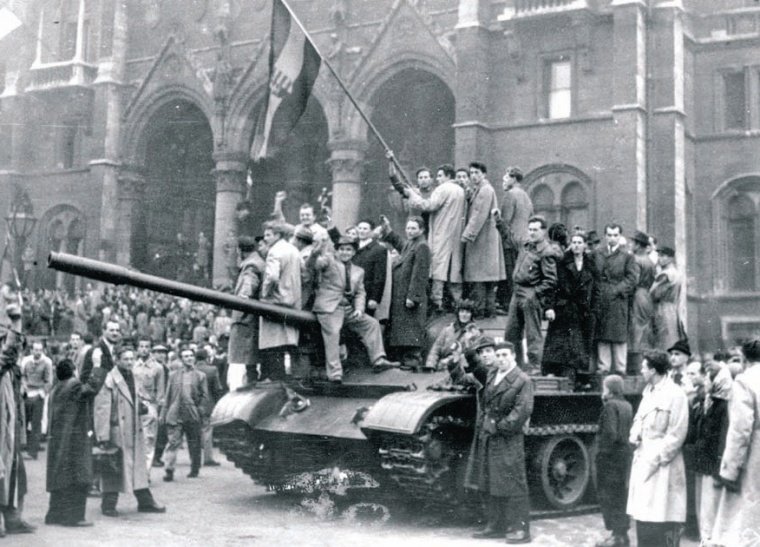
Today is my 62nd birthday (I was born on 31st October 1956 in the midst of the Suez and Hungarian crisis and I’ve never liked imperialism of any sort since).

I will celebrate it with friends but while I’m not certainly not averse to celebration, I do struggle a bit with the birthday side of things.

Until 2010 I would have had to retire at 60 come what may. That is now gone and I can go on and on. I already do in fact.

Otherwise I’m not sure that getting older is something worth making much of a fuss about it, except if you are rather young.

You can find all manner of confused ramblings on the interwebs about when birthdays were first celebrated and why. Leaving aside the – many- who apparently want to prove its all laid down in the Bible (we can indeed agree God is very old, just look at that beard) a summary is probably that at least some of the rich and powerful have marked their birthdays since ancient times (i.e BC).

Most of the rest of us until quite recently have not. A fellow historian pointed out to me that we don’t actually know how old Shakespeare was for example. It was not something of sufficient importance to record, it would seem.

The recording of births and deaths, in some countries, formalised the picture as industrial societies developed although there is no degree of accuracy where much of a population was illiterate.

The thinking behind this- pace the Census- was to record population, review mortality figures and so on. In any society that is going to attempt to plan things this is essential information.

None of that really suggests why we should celebrate getting older at a particular time each year rather than as personal landmarks-partnership, marriage, divorce, retirement- are reached.

Historically time frames can be more flexible based on something similar to this. Historians talk of research, for example, into the long eighteenth century, while Eric Hobsbawm argued the nineteenth really ended in 1914.

As an historian I do ponder anniversaries though. 100 or 50 year distances for example can provide an interesting perspective- but not always. We are for example just a year off the 200th anniversary of the August 1819 Peterloo Massacre. It will certainly be marked but quite how widely depends on its contemporary resonance.

So in summary I do think the passing of time is worth both recording and marking but not in a mechanical way. Whether something is worth recalling let alone celebrating depends a lot on the context.
Articles

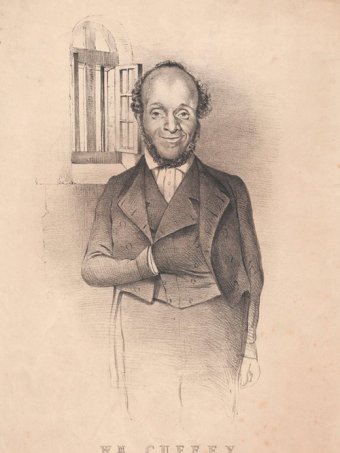
Black History Month: William Cuffay, Leader of London Chartism in 1848

In Uncategorized on October 30, 2018 by kmflett

William Cuffay: leader of London Chartism in 1848

Black History Month has provoked some interesting discussions (the role of black servicemen in World War One for example) and some useful exhibitions. I found the one on Black Georgians at Bruce Castle Museum in Tottenham of particular interest- it runs for several months yet:

https://www.haringey.gov.uk/libraries-sport-and-leisure/culture-and-entertainment/visiting-haringey/bruce-castle-museum/whats/exhibitions

It does not however mention one of the most black Londoners to come from this period, William Cuffay, the leader of London Chartism in 1848. Below is a summary of his life:

William Cuffay was born in Gillingham in the Medway Towns in 1788, the son of a local woman and a former slave from St Kitts who had made his way to Britain by working on a Royal Navy ship. Many of those aboard Navy vessels in the late eighteenth century were black.

Little is known about Cuffay’s time in Medway- though research is being done.

We do know however that by 1819 Cuffay was in London and had learnt the trade of a tailor.

No doubt Cuffay would have been exposed to the radical working class politics of London in the 1820s and he was certainly involved in the strike called by the Grand National Consolidated Trade Union in 1834.

Cuffay went on to become, by the end of the 1830s, a leader of a group of London Chartist tailors.

In 1840 Cuffay was 52- very old for a Chartist activist at that time- and he became a central and trusted figure in London Chartism.

The best way to understand him is as the key ‘backroom’ organiser of Chartism in the Capital- raising money for jailed Chartists and being appointed to oversee the funds of the Chartist Land Bank.

By 1842 Cuffay had been elected from London to the national Chartist Executive. These positions were fiercely contested, so Cuffay will have had a considerable constituency of support.

Details of Cuffay’s work in this period can be tracked in the Chartist paper, the Northern Star, which is now available in digital format free on-line.

Martin Hoyles new book on Cuffay has also revealed that during this period Cuffay was performing as a singer on the London stage.

Although research is still in progress it now seems clear that Cuffay was the organiser of the great Chartist demonstration on Monday 10th April 1848.

Chartists gathered at various points across London and marched south to rally at Kennington Common. The idea was then to proceed back across Blackfriars Bridge to present a giant petition for the vote to Parliament.

It was a strategic mistake- it’s unclear what part Cuffay played in deciding the venue for the rally. Police and soldiers blocked the way back over the River Thames and the national leader of Chartism Feargus O’Connor agreed with the police that the Chartists would not try to march.

Cuffay was understandably very annoyed at this decision and is reported as arguing that the march should go ahead.

We now know that there was hand to hand fighting between Chartists and troops on the south side of Blackfriars Bridge but a heavy April shower caused the attempt to be abandoned.

Later in the year, in August 1848, Cuffay was arrested for his part in an alleged revolutionary conspiracy at Seven Dials, Covent Garden. Arms were found in Cuffay’s house. His precise role in the events is unclear but it is very likely that as the London Chartist leader he was at the very least aware of what was planned.

Tried at the Old Bailey, Cuffay was sentenced to 21 years transportation to Australia.

Arriving in Hobart Tasmania, now over 60, Cuffay could have been forgiven for retiring from political activity. He did not. Instead he was active in a range of radical causes in the earliest years of the Australian labour movement. He was pardoned after 3 years but remained in Australia, dying in 1870.

Modern interest in Cuffay can be traced back to a chapter in Staying Power by the late Peter Fryer which recovered much of the history of black people in Britain.

Cuffay left no diary, autobiography or papers, but research to uncover details of his life and activity is continuing. There has been considerable effort in Australia and in Britain there are plans to erect a blue plaque for Cuffay in the Strand during the course of 2013.

The Times in 1848 referred to Cuffay and the Chartists as ‘the black man and his party’ and we can now see that this was not hyperbole but a recognition that the London organisation of the world’s first working class movement was led by the son of an ex-slave from St Kitts.

Cuffay came from the imperial diaspora to challenge imperialism at its heart in London to find himself exiled to another part of the British Empire in Australia as a reward for his efforts

Cuffay website

http://cuffay.blogspot.co.uk/

Articles

William Hulton sent the Yeomanry in at Peterloo, but what happened to the Hulton Estate?

In Uncategorized on October 30, 2018 by kmflett

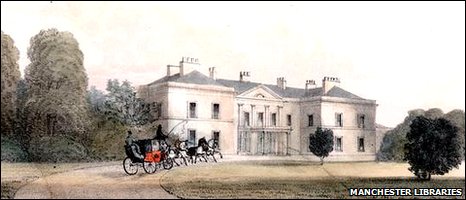
William Hulton sent the Yeomanry in at Peterloo, but what happened to the Hulton Estate?

Hulton Hall in the 1830s

William Hulton, the Tory Magistrate who sent the Yeomanry in at Peterloo, was a part of a Hulton dynasty (all the male heirs were called William except one).

They owned land on the edge of Manchester in an area which is in effect now part of Bolton. Its thought that the Hultons may have held the land since as early as 989AD.

It was for many centuries farming land- 325 acres of it- (and remained so) but during the industrial revolution coal mining developed as a major industrial interest. Despite a well-known mining disaster in 1910 that killed 344 people by 1947 the Hulton mines were the most significant in Lancashire. At that point they were nationalised.

In addition thanks to coal mining the Hulton Estate had some of the earliest railway tracks in the country with George Stephenson building a rank link to Bolton in 1826.

There was a family home, Hulton Hall, rebuilt on several occasions.

It however no longer stands and the last Hulton, Sir Geoffrey, died in the 1990s according to the BBC.

http://news.bbc.co.uk/local/manchester/hi/people_and_places/history/newsid_8675000/8675551.stm

The Estate was put up for sale in 2010 at a price of £8.5m and bought by property developers.

It is interesting to reflect on what happened to one of the great Tory dynasties in the north of England, undermined as it were, by the 1945-50 Labour Government and ending altogether as Mrs Thatcher and John Major were in Office

Articles

Campaigners give cautious welcome to Pumpkin beard oil

In Uncategorized on October 29, 2018 by kmflett

Beard Liberation Front

22nd October

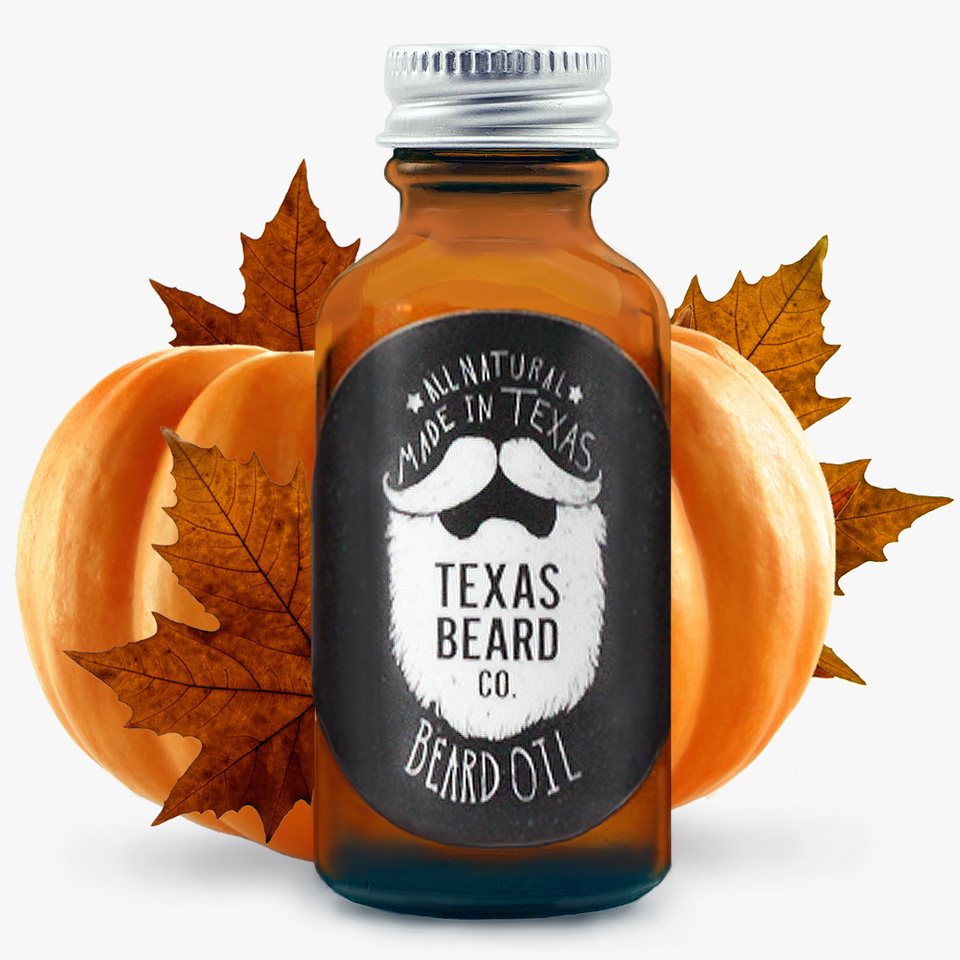
The Beard Liberation Front has given a cautious welcome to the development of a pumpkin beard oil as Halloween approaches. It is perhaps inevitably an American invention but the campaigners say that it is certainly an innovative use for pumpkins compared to beers and food recipes.

An example of Pumpkin Beard Oil is here but other brands are available:

https://www.texasbeardcompany.com/natural-beard-oils/pumpkin-spice-limited-edition-beard-oil

BLF organiser Keith Flett said I’ll be sticking to the occasional marinade of the beard in imperial stout myself, and I note there is a barley and hops and whisky barrel aged beard oil available. However for those who want something a little sweeter but still seasonal pumpkin beard oil may work

Articles

End of poll for most scary Beard of Halloween looms

In Uncategorized on October 28, 2018 by kmflett

Beard Liberation Front

PRESS RELEASE 29th October

contact Keith Flett 07803 167266

END OF POLL FOR MOST SCARY BEARD OF HALLOWEEN LOOMS

The Beard Liberation Front, the informal network of beard wearers, which campaigns against irrational prejudice against the hirsute, has said that the end of the poll for the Beard of Halloween 2018 title is looming

The 2017 winner was Richard Branson

In 2018 Lord Sugar has taken a commanding lead with voting due to end at midday on Tuesday. However the period around All Hallows is a notoriously unstable one and others could yet out-scare the Apprentice host.

The title, awarded each year on October 31st, takes a wry look at Halloween festivities by identifying the scariest beard in the public eye. The winner is likely to win by the narrowest crack of a squeaky floorboard.

The BLF does not generally believe that beards are scary a view promoted by generations of pogonophobes.

It is accepted though that on a dark moonless night as a beard looms through the gloom, nerves may rise a little as to what lies behind the beard.

BLF Organiser Keith Flett said of course none of the beards on the shortlist is genuinely scary. But as we move towards Halloween things can look a little different, with dark nights and a rising moon

Scary Beard of Halloween 2018

Bono

Richard Branson

Sean Dyce

Noel Edmonds

Rubeus Hagrid

David Letterman

George RR Martin

Alan Moore

Lord Sugar

Antony Worrall Thompson

Articles

What was Tony Benn doing on the day of the anti-Vietnam war demonstration, Sunday 27th October 1968?

In Uncategorized on October 28, 2018 by kmflett

What was Tony Benn doing on the day of the anti-Vietnam War demonstration, Sunday Oct 27th 1968?

In the introduction to the volume of his diaries covering 1968-72 Tony Benn notes ‘it was during the period 1968-1972 that my own radicalisation took place’. It was clearly still a work in progress on Sunday 27th October 1968 however when 100,000 people marched against the Vietnam War in central London:

Sunday 27th October 1968 Stansgate (his family home)

…we waited up for Stephen to phone because he went on the vast anti-Vietnam war demonstration today in Grosvenor Square which everybody thought would lead to violence but in fact didn’t

New Statesman interview from 2008 on what Tony Benn was doing in 1968, which reflects on the above:

https://www.newstatesman.com/politics/2008/05/labour-party-benn-1968-vietnam


Articles

The Ambridge Socialist: Freddie Pargetter- one of the great lost causes of Ambridge

In Uncategorized on October 28, 2018 by kmflett

The Ambridge Socialist

65 Years of the class struggle in Ambridge

October 28th

Freddie Pargetter: one of the great lost causes of Ambridge

Anna Tregorran has spoken. Freddie has no grounds for appeal and only a lawyer who specialises in lost causes would take his case. Elizabeth wants a list. Ambridge has had its fair share of lost causes over the years:

Bunting

Cricket Team

Lynda Snell’s Xmas productions

Still Elizabeth is in contact with a Barrister……

The Ambridge Socialist poll

Lynda in the Brookfield Barn

David has allowed Lynda to use the Brookfield barn for her latest Xmas production (zzzz). We can hardly wait to think about something completely different, although it is possible that even in Lynda’s hands the Canterbury Tales might bring some much-needed culture to the village

Board Games

Board Game nights are continuing minus bad loser (Jolene) but surely Cluedo is the must play game in Ambridge

In Other News

After Debenhams, Underwoods?

Articles

Hirsute renew call on Hammond to innovate with a shaving tax

In Uncategorized on October 28, 2018 by kmflett

Beard Liberation Front

Media Release 28th October

Contact Keith Flett 07803 167266

HIRSUTE RENEW CALL ON HAMMOND TO INNOVATE WITH A SHAVING TAX

The Beard Liberation Front, the informal network of beard wearers, has renewed its call on Chancellor Philip Hammond to be innovative in the Budget and announce a tax on shaving.

The campaigners say that while there has been a significant growth in beards, in reality they still represent a minority in the country compared to the clean shaven.

The BLF says that shaving is environmentally unfriendly and a Shaving Tax would do a good deal to address carbon reduction targets by reducing use of electric shavers and power used to make shaving products.

Those currently employed in the shaving industry can easily be re-deployed into the beard care area of the economy, a growing sector.

A Shaving Tax could be levied at £100 a year for all those, where appropriate, who did not have a beard at the beginning of the financial year- April 1st. It would hit popular targets such as clean-shaven bankers in the City who would have to grow a beard or pay up.

BLF Organiser Keith Flett said, if as Theresa May claims austerity is at an end there must be an end to economic haircuts and cuts in general. What better way for the Chancellor to underline this than with a Shaving Tax. Shaving public spending must come to an end and the new Tax could boost funding for public services.


Articles

does marching make a difference? An historical perspective

In Uncategorized on October 27, 2018 by kmflett

Does marching make a difference?

A week on from the 700,000 strong march in London about Brexit media commentators are pondering whether or not marching makes a difference:

Ian Jack’s view is in the Guardian

https://www.theguardian.com/commentisfree/2018/oct/27/stop-brexit-peoples-vote-march

While the Mirror has a rather less pessimistic view

https://www.mirror.co.uk/news/politics/protests-peterloo-political-change-mirror-13482626

It’s appropriate to relate back to the 60,000 or so who gathered in central Manchester for the vote on 16th August 1819 because as the Mirror notes, while the immediate impact was negative over the following decades change did occur and the Government did not attempt another Peterloo.

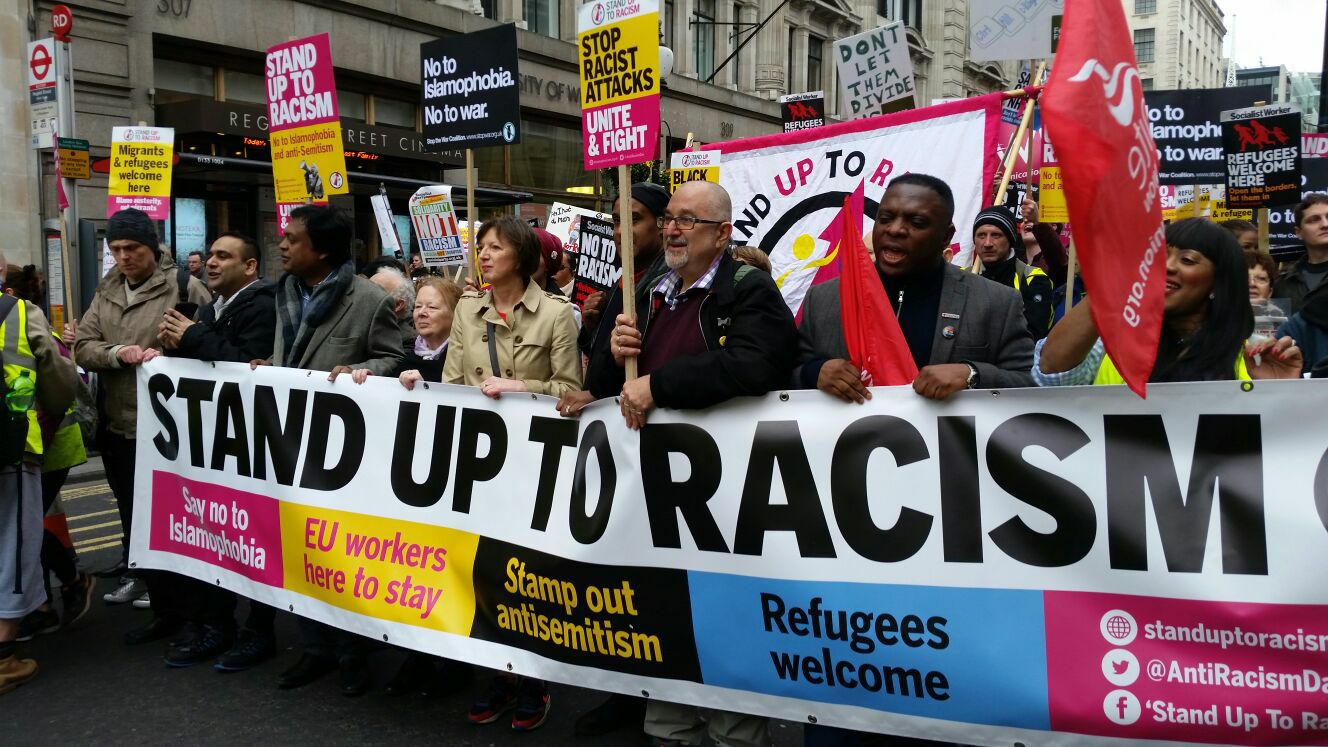
I’ve been on many marches down the years from those opposing racism and cuts, to the Iraq War, the poll tax, abortion rights etc.

Some achieved little, others made quite an impact. Each one needs to be looked at individually to draw any general lessons. Certainly the composition of a march, the timing, and the strategy pursued to get change are key elements.

There are two wider points. Firstly marching is not the only way to get change. There is indeed what the US sociologist Charles Tilly called a repertoire of contention, of possible strategies, from riots to meetings, petitions and lobbies. All have their place depending on context.

Finally however on the 50th anniversary of the 27th October 1968 anti-Vietnam war demonstration its worth reflecting that all of the largest marches in UK history have taken place in the last 50 years.

It represents a change from people relying on others to make the point for them to wanting to make it themselves. Of course its not always effective but it reflects a society where want to make their voice heard and expect it to count. The age of political deference has gone.

Articles

27th October 1968: anti-Vietnam war demonstration. ‘That was the march, that was’

In Uncategorized on October 27, 2018 by kmflett

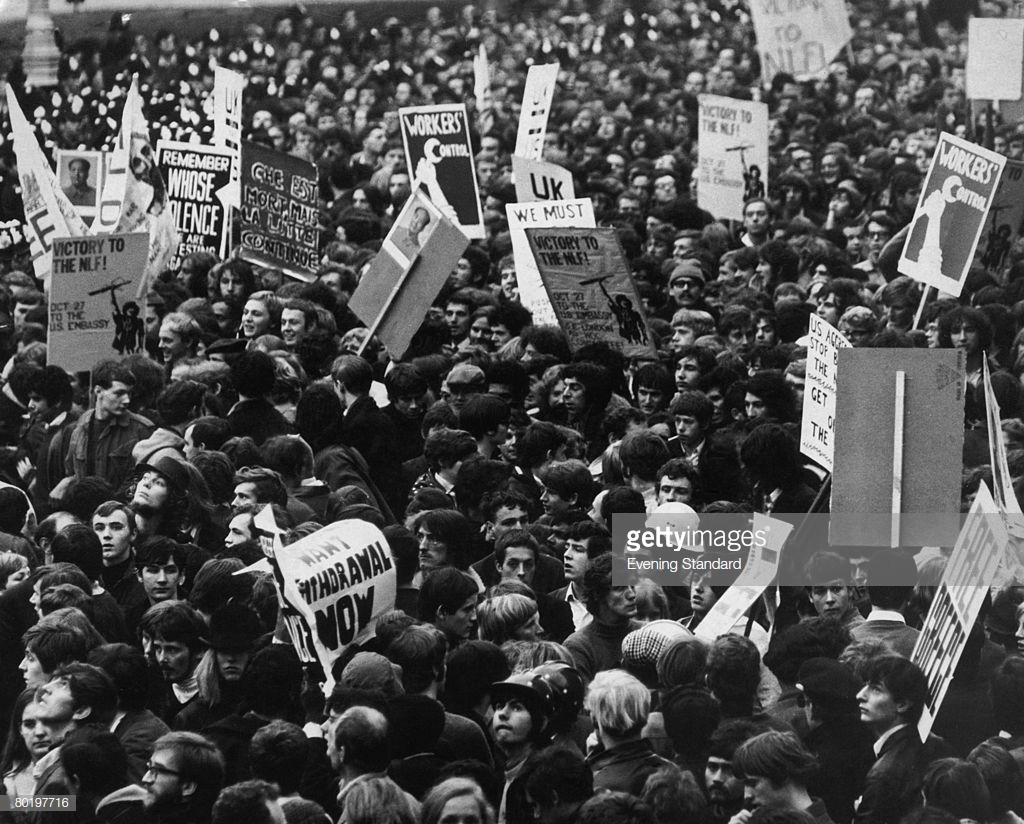
A demonstration in Grosvenor Square against the Vietnam War, 27th October 1968. (Photo by Evening Standard/Hulton Archive/Getty Images)

27th October 1968: anti-Vietnam War demonstration. ‘That was the march, that was’

On Sunday 27th October 1968 the largest protest against the Vietnam War took place in London.

Not everyone was on board. The Socialist Labour League (later the WRP) handed out a leaflet titled ‘why we are not marching’.

Meanwhile the march itself organised by the Vietnam Solidarity Campaign (VSC) was also to an extent divided. The VSC led by the orthodox Trotksyists of the International Marxist Group, and also encompassing the International Socialists and some members of the Young Communist League wanted the march to be peaceful and go from Charing Cross via Whitehall to a rally in Hyde Park. Maoist opponents (remembering this was not long after a split in British Communism with the Maoist Communist Party of Britain(ML) led by Reg Birch) wanted a more direct confrontation in Grosvenor Square where the US Embassy was.

The media, looking at 1968 across the world, felt revolutionary events might occur. They didn’t.

It was at 100,000 or so the largest post-1945 protest to that point. At this time there was still an official effort to downplay numbers- the BBC claimed 25,000 (in which case all the police overtime was a scandalous waste of money).

The Guardian Editorial on Monday 28th October 1968 began:

That was the march, that was

What did it all achieve? Less probably than any of the Aldermaston marches…the shouts of ‘Ho,Ho, Ho Chi Minh’ echo without meaning

However Roger Protz, writing to the Times (30th October 1968) complained,

Sir, The Times is determined to be unrepentant. Without any evidence you printed lurid allegations about the ‘violence’ planned for Sunday’s anti-Vietnam war demonstration…all that happened was what was planned to happen a giant militant demonstration


http://news.bbc.co.uk/onthisday/hi/dates/stories/october/27/newsid_2478000/2478197.stm