Articles

August 1868. Engels takes a holiday in Bridlington

In Uncategorized on August 20, 2020 by kmflett

August 1868. Engels takes a holiday in Bridlington

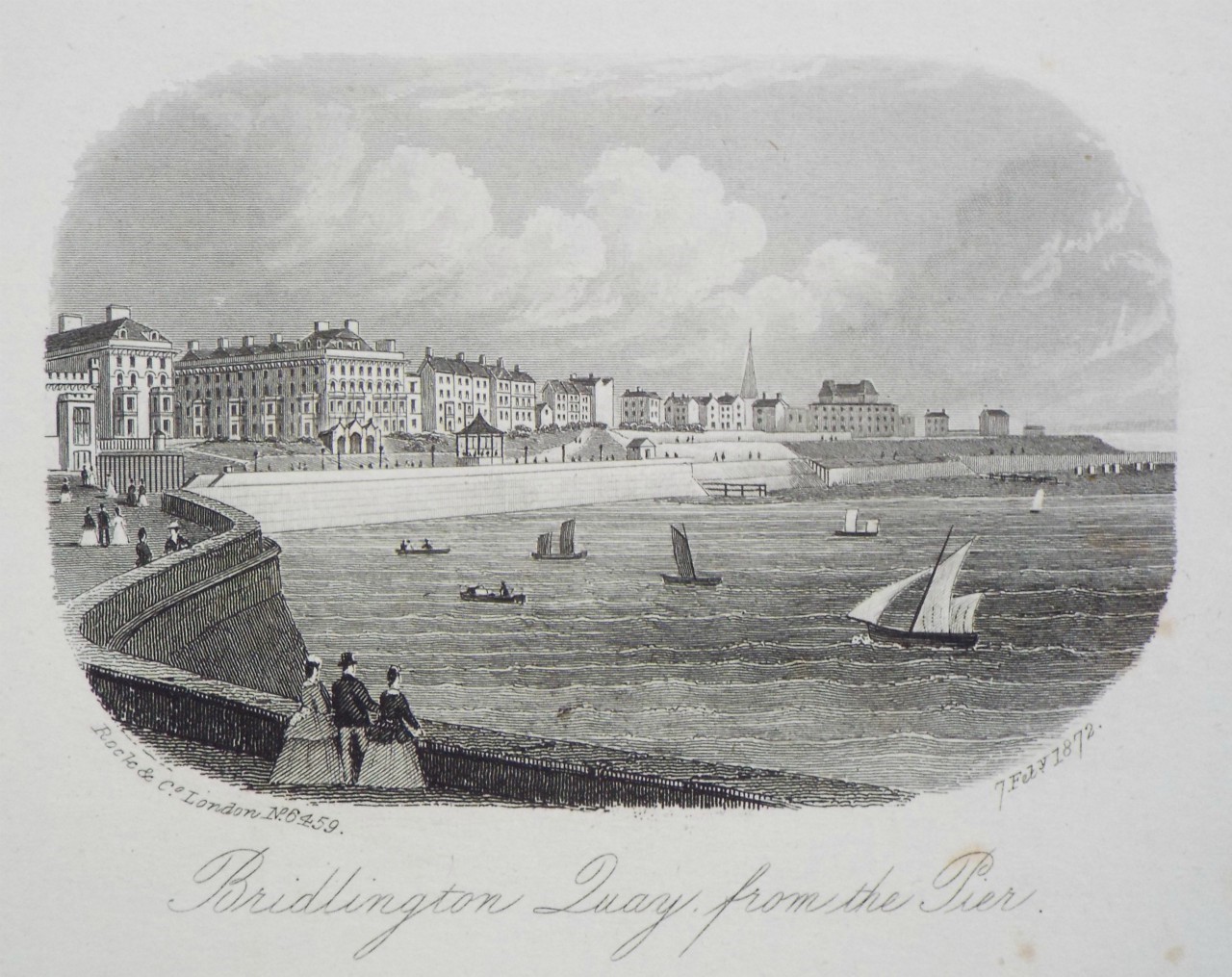
Bridlington Quay 1872

Bridlington is a Yorkshire seaside resort known at least by labour movement veterans as the location of the 1939 Bridlington Agreement which aimed to stop  trade unions ‘poaching’ members from each other.

Well before that it had become a favoured summer holiday destination for Engels, his partner and others.

He appears to have first visited in 1868(perhaps before however).

He wrote to Kugelmann from York on 31st July 1868 that he was on his way to Bridlington with his spouse, Lizzie Burns.  He added in brackets ‘I bet you couldn’t guess how the name is pronounced’.

By 6th August, Engels was back in Manchester writing that he had been to Bridlington for the weekend and planned to return and take a holiday. Unfortunately an employee at the Manchester mill where Engels worked had gout and he had to stand in for him.

Engels wrote again to Marx from Manchester on 12th August noting that he had been again in Bridlington from 7th to 10th August 1868 and had made some ‘quite interesting’ geological studies. He now planned to return for 10 days from 14th August, the employee with gout being on the road to recovery. He gave Marx the address of Mr Burns, 3 Burlington Place, Bridlington Quay, Yorkshire.

In fact the stay was rather longer as Engels wrote to Marx from Bridlington Quay on 22nd August that he planned to return to Manchester on 26th or 27th August.

Unlike some of the resorts in the South of England visited by Marx or Engels or both of them in the 1850s,60s, 70s and 80s, Bridlington doesn’t appear to have recognised Engels visits there. However it may just be that I have yet to come across that.

Articles

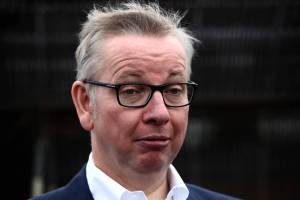
Teach Yourself Gove. Update for the 2020s

In Uncategorized on August 20, 2020 by kmflett

Teach Yourself Gove: 2020 Latest Update

Behind the current exam results debacle lies the wreckage of an education system crafted by the Tories since 2010. The original architect of this was Michael Gove and his advisor Dominic Cummings. Richard Evans has written on Gove and education in the London Review of Books:

https://www.lrb.co.uk/the-paper/v41/n17/richard-j.-evans/the-demented-dalek

Teach Yourself Gove for the 2020s

Apology : See Blue Moon

Guardian : A London based paper with a ‘style guide’ [content not approved as Gove Speak]

Murdoch : A man of great intellect. Usage ‘you, sir, are a true Murdochian’

The Times : paper of record. Does not need a style guide

Daily Mail: not appropriate reading (except for Sarah Vine)

EU : career defining

Boris : was yesterday’s man, currently a fine chap

David Cameron : used to be a friend of mine

Next Prime Minister: cometh the hour

Education: see Another Brick in the Wall (Pink Floyd)

Plan: something to be worked out in the future

Theme song: One of these days (Pink Floyd)

Drugs: See memoirs

Articles

Bob Harris praised as hirsute icon after 50 years of broadcasting

In Uncategorized on August 19, 2020 by kmflett

Beard Liberation Front

19th August

Contact Keith Flett 07803 167266

Bob Harris praised as hirsute icon after 50 years of broadcasting

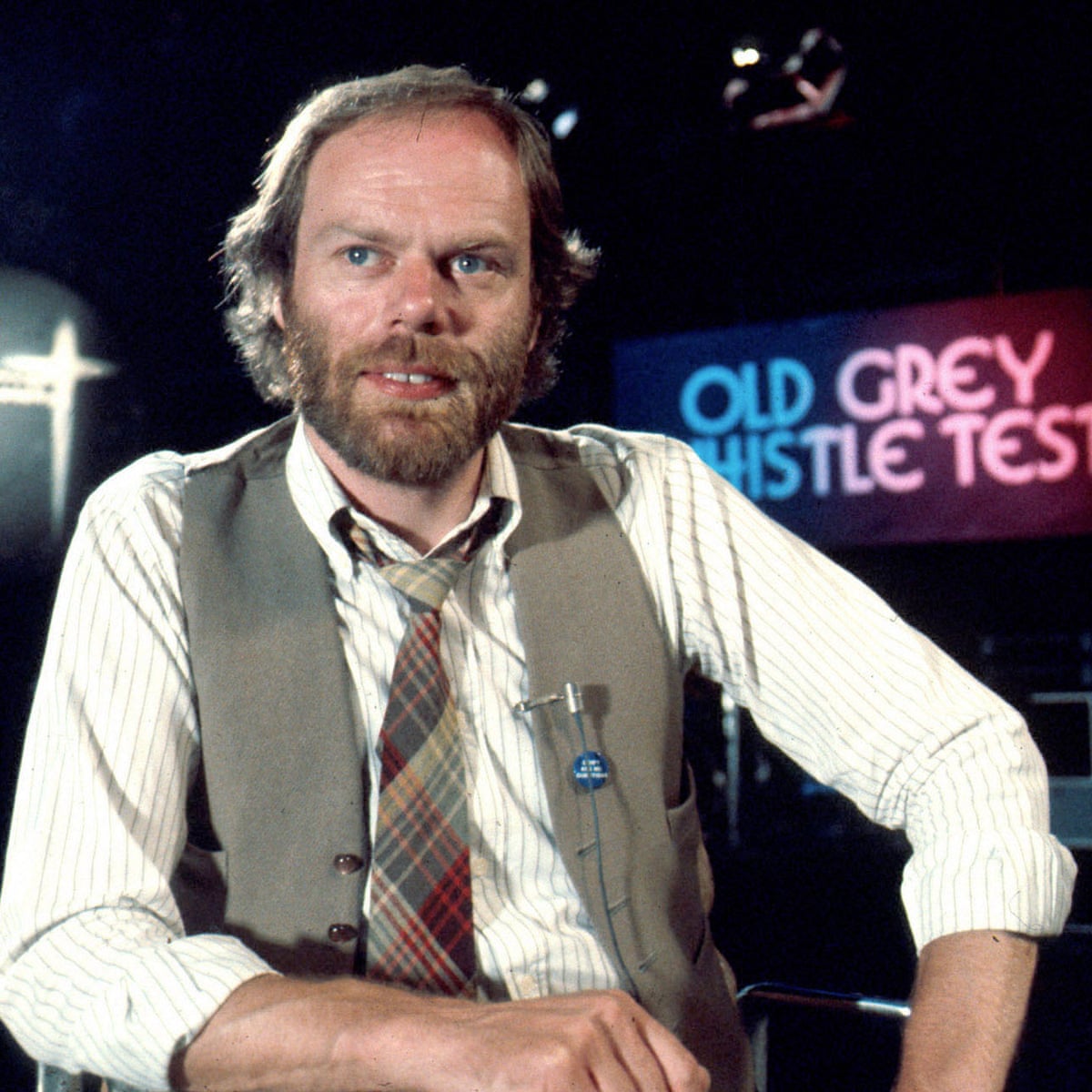
The Beard Liberation Front, the informal network of beard wearers, has praised veteran broadcaster Bob Harris as a ‘hirsute icon’ as he marks 50 years of broadcasting on 19th August.

He first appeared on BBC Radio One 50 years ago today hosting Sounds of the Seventies. He became well known as a presenter of the Old Grey Whistle Test on BBC2 and continues to present a Country Show on Thursday evenings on Radio Two today.

Bob Harris was named Hirsute Broadcaster of the Year in 2011 and 2012.

The campaigners say that while some early photographs show Bob Harris with distinctive sideburns but no beard, he has been a standard bearer for a positive images and impacts of beard wearing in broadcasting over six decades now.

BLF Organiser Keith Flett said, I was a youthful listener to the Sounds of the Seventies programmes in 1970 and fifty years on Bob Harris has become a hirsute icon in broadcasting and a positive role model for gravitas on air.

The Bob Harris Archive (caution includes beardless picture)

https://archive.bobharris.org/


Articles

Keir Starmer, the jobs crisis & the polls. Way over yonder in the minor key?

In Uncategorized on August 19, 2020 by kmflett

Keir Starmer, the jobs crisis & the polls. Way Over Yonder in the Minor Key?
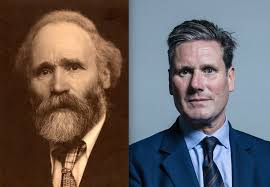
The Guardian has started to worry about the depths of the developing jobs crisis and Labour’s continuing poll lag with the Tories. I share the concern. I’m not a huge fan of Keir Starmer’s politics but I do want Johnson & Co out of Office before 2024. Electing a Labour Government is far from the only way of bringing that about, but it’s part of it.

A couple of pieces by two of the Guardian’s most insightful columnists Aditya Chakrabortty and Larry Elliott have addressed the point.

Chakrabortty makes the point that while the jobs crisis will hit the Chancellor’s current popularity, its less obvious that Labour will benefit. That poses the question of an absence in his column. What is Starmer doing on this?

Larry Elliott highlights the jobs crisis. His tendentious comments on Labour’s 2019 campaign are not well made in my view but his conclusion that Starmer has much scope to propose radical measures certainly is.

https://www.theguardian.com/commentisfree/2020/aug/06/covid-jobs-crisis-rishi-sunak-safety-net?CMP=Share_iOSApp_Other

https://www.theguardian.com/commentisfree/2020/aug/06/economy-tories-polling-labour-government-keir-starmer

Neither really addresses what Starmer is actually doing. The Commons is on holiday but before the recess Starmer was effective about putting Johnson on the spot. One might suggest that this isn’t difficult but a wider point is that not that many people notice unless it’s a really big issue like Cummings. Secondly while he has been in my view far too uncritical of the Government, the criticisms he has made are to the point on jobs, support for hard hit areas of industry and so on. He has also been making these points around the country.

Its not making so much of an impact, certainly in terms of the polls. No doubt his supporters will argue that he has a legacy of poor polls to grapple with. Perhaps, but the problem is that there is little sign of drawing ahead of what is not just a politically malign but incompetent Government

I’d suggest that a key point is that whatever qualities Starmer has political leadership is not yet one. The ability to engage widely and broadly is not only not there but I suspect is not something he is that personally keen on doing on either. The cult of personality is not a great thing, and there are at least two current UK examples of why it isnt. At the same time though politics is theatre and a leader needs a larger than life presence. Even Oxford economist Harold Wilson managed that.

Starmer’s ratings are occasionally better than Johnson but given the dishevelled shambles he is one might reasonably think they could be better. After all Starmer while he will hardly win a political excitement poll  is at least compos mentis.

There is another issue which is nothing to do with Starmer but it is very real nonetheless. Both Chakrabortty and Elliott touch on it. That is that a failure of Labour to capitalise on discontent with the Government is not a new thing.

On the other hand in a previous political era after successive Labour election defeats, a serious error by the Major Government did boost Labour.

By 1992 Thatcher had been forced to resign over the Poll Tax debacle and was replaced by John Major. Major, unexpectedly and quite narrowly, beat Labour, led by Neil Kinnock, in a General Election on 9th April 1992. For the few months afterwards the Tories led Labour on average by 5 points in the opinion polls.

Then came Wednesday 16th September 1992, ‘Black Wednesday’. On that day the Tory Government withdrew the pound from the European Exchange Rate Mechanism (ERM). In order to protect the pound Chancellor Lamont raised interest rates from 10% to 12% in the morning, and then up to 15% in the afternoon.

The following day interest rates returned to 10% but the damage was done in terms of electoral standing. Voters with mortgages, perhaps more inclined to vote Tory, had seen the spectre of the cost rising by 50% in a day. If it had happened once clearly it could happen again.

By November 1992 polls were showing ratings of around 30% for the Tories and 50% for Labour. They changed little until the eventual election in 1997. Labour’s lead was nothing to do with Blair, who wasn’t Labour leader in 1992, but with an event so potentially cataclysmic in its impact that it stuck in voter’s minds.

Johnson’s COVID-19 errors are in a completely different league to Lamont’s interest rate debacle, yet there is no Labour lead. Blaming Jeremy Corbyn wont work here anymore than blaming Neil Kinnock would have been relevant in September 1992.

I’m not the great enthusiast of the Parliamentary road to socialism (or even mild reform) and would focus on pressure from without. That isn’t Starmer’s politics so the ball is in his court to address what is a very important matter for all those who have been shafted or are about to be shafted by the Tories.

Work and a serious debate in progress. People’s jobs and futures depend on it.

Articles

Jersey, August 1879. Marx becomes a vegetarian

In Uncategorized on August 18, 2020 by kmflett

Marx becomes a vegetarian. St Helier August 1879

In August 1879 Marx spent some time in St Helier, Jersey, with one of his daughters, Eleanor (Tussy).

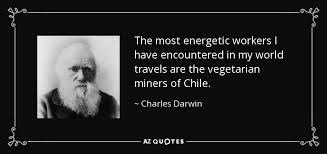
On 14th August he wrote to Engels that ‘we are leaving our present lodgings in St Aubin because Tussy and I cannot stand the monotonous  daily fare of lamb or MUTTON in consequence of which I have become in the last few days an involuntary VEGETARIAN

Articles

New evidence emerges that Mrs Thatcher hated beards

In Uncategorized on August 18, 2020 by kmflett

Beard Liberation Front

PRESS RELEASE       18th August

Contact Keith Flett      07803 167266

NEW EVIDENCE EMERGES THAT MRS THATCHER HATED BEARDS

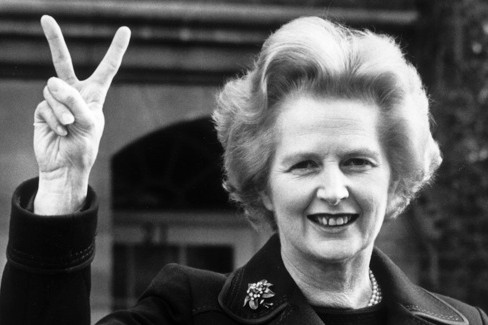
The Beard Liberation Front, the informal network of beard wearers, has said that new evidence has emerged that former Tory Prime Minister Margaret Thatcher was a veteran opponent of the hirsute.

She was described by the Daily Telegraph in August 2001 as notoriously pogonophobic.

The journalist Peter Hitchens who has grown a beard again has noted in his Mail on Sunday column Mrs Thatcher’s reaction to an earlier period of beard growth on his part:

…as was Lady Thatcher, who sometimes had to endure me as a lowly member of the press party on her flights abroad. She never said anything.

You could just feel the frozen disapproval emanating from her.

Mrs Thatcher famously banned beards in her Cabinets and John Selwyn Gummer, a rare senior Tory with a beard, had to shave his beard off before joining the Cabinet.

It is not known what the origins of Mrs Thatcher’s hatred of beards was but it is thought that she felt that beards were strongly associated with rebellion and the political left.

A search of the Thatcher Foundation archive for the term ‘beard’ produces not a single result.

BLF Organiser Keith Flett said Mrs Thatcher divided Britain between the clean shaven and the hirsute. Notably in 1997 Tony Blair’s Cabinet had the most beards since 1945 marking the start of a more socially progressive era even if Blair himself was a clean shaven revisionist. Boris Johnson, who has never worn a beard, has returned to Thatcherite pogonophobia


Articles

From Climate Change & Black Lives Matter to Exams, the new profile of protest: from below

In Uncategorized on August 18, 2020 by kmflett

From Climate Change & Black Lives Matter to Exams, the new profile of protest: from below

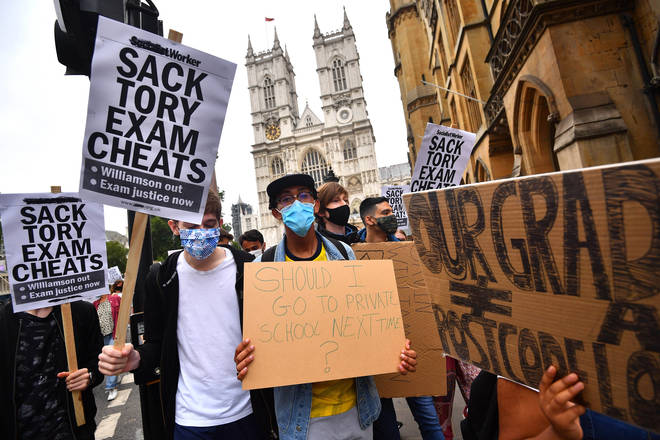
Victory of course has many owners and defeat none so when the Government U-Turned on A Level results on Monday many claimed a hand.

Most had some justification but there is a difference between putting out a statement or a social media message and actually organising protest.

Virtual protest can ultimately be ignored. If that wasn’t the case Boris Johnson would long since have cleared off faced with the weight of adverse twitter comments.

Actual protest makes life more difficult and there was a good deal in the short period between the results and the U-Turn.

These protests were not organised by trade union Head Offices, or Keir Starmer, or the Tory MPs who at least claimed they were lobbying the Chief Whip.

They were organised locally from below. That doesn’t mean the organisers were somehow mysterious or anonymous, they weren’t.

Local Further Education (Sixth Form) activists from the NEU and UCU organised several protests, as did Labour members, the wider left and students themselves.

Of course statements from Unions, Labour etc were important in setting a tone and mood but the actual swell of protest came from below.

It fits a pattern from protest on climate change to Black Lives Matters. Significant agenda changing protests have come from the grassroots, often at short notice but mobilising considerable numbers.

It’s a sign of a new mood and movement rising, not yet institutionalised or placed in an already existing recognisable format

A related point has been made by my old acquaintance James Meadway pointing out that the exams protest is an assertion of the importance of people over algorithms. In an age of AI that’s important too.

2020 has been a very difficult year for many and will continue to be so, but here lies hope for positive change for a better future.

Articles

Defending the exam system,promoting really useful knowledge

In Uncategorized on August 17, 2020 by kmflett

Defending the integrity of the existing exam system against the algorithms of Ofqual is essential to the lives of many young people.

The exam system has always had quotas and moveable pass rates to fit the numbers required and/or University places available but this wasnt previously done quite so blatantly on the basis of postcode or social class as was attempted in 2020.

Fortunately the ever important politics of protest and survive appears to be winning the day.

At the same time its important to keep in mind that the exam system itself and the way it orders knowledge has long been the source of criticism.

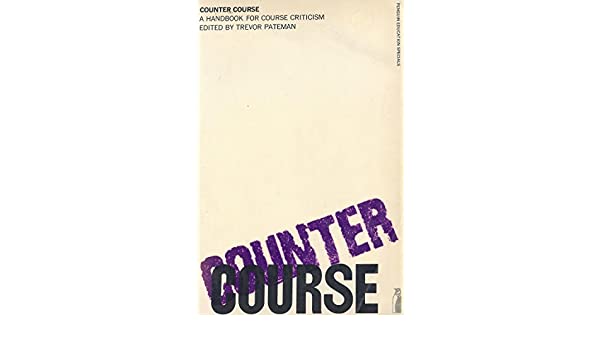
Michael Rosen who has been appropriately forthright in criticising Ofqual has also rightly reminded of the alternative EngLit study plan that appeared in Trevor Pateman’s Counter Course (1972). Rosen used the pseudonum Joe Spriggs who I presume was some kind of well known Arsenal player of yesteryear.

My own take has been over the years to promote what radicals in the 1830s called Really Useful or Spearhead Knowledge. That is education that looks at what really goes on in a market capitalist society, why and what might be done about it. A paper I gave on ths 10 years ago is linked to below:

Really Useful Knowledge 1830-2010


Articles

Bad Light & Rain in cricket. Must do better…

In Uncategorized on August 17, 2020 by kmflett

Bad Light and Rain in cricket. Must do better

Sky (17.8) are currently making many of the points contained in the documents below.

The assumption needs to be get play if at all possible unless conditions are clearly dangerous.

Laws of Cricket

Law 2.71

It is solely for the umpires together to decide whether either conditions of ground, weather or light or exceptional circumstances mean that it would be dangerous or unreasonable for play to take place.

Conditions shall not be regarded as either dangerous or unreasonable merely because they are not ideal.

The fact that the grass and the ball are wet does not warrant the ground conditions being regarded as unreasonable or dangerous.

Law 2.82

The Umpires shall immediately suspend play, or not allow play to start or to recommence, if either umpire considers that the conditions of ground, weather or light, or any other circumstances are either dangerous or unreasonable.

Simon Taufel ICC Umpires guide on Bad Light 2012

http://iccaccreditation.com/wp-content/uploads/Dealing-with-Bad-Light.pdf

ICC Test playing conditions 2019 (see 2)

file:///C:/Users/keith/Downloads/ICC-Test-Match-Playing-Conditions-Final-1-September-2019.pdf


Articles

The power of the crowd in cricket: delays at the Ageas bowl put the game in a bad light

In Uncategorized on August 16, 2020 by kmflett

Nick Hoult via Twitter

For reasons all understand its not currently possible to have spectators at international cricket matches.

Even so the cricket authorities,players and many others have worked enormously hard to make sure that there are Test matches in England this summer that we can watch on TV or listen to on radio.

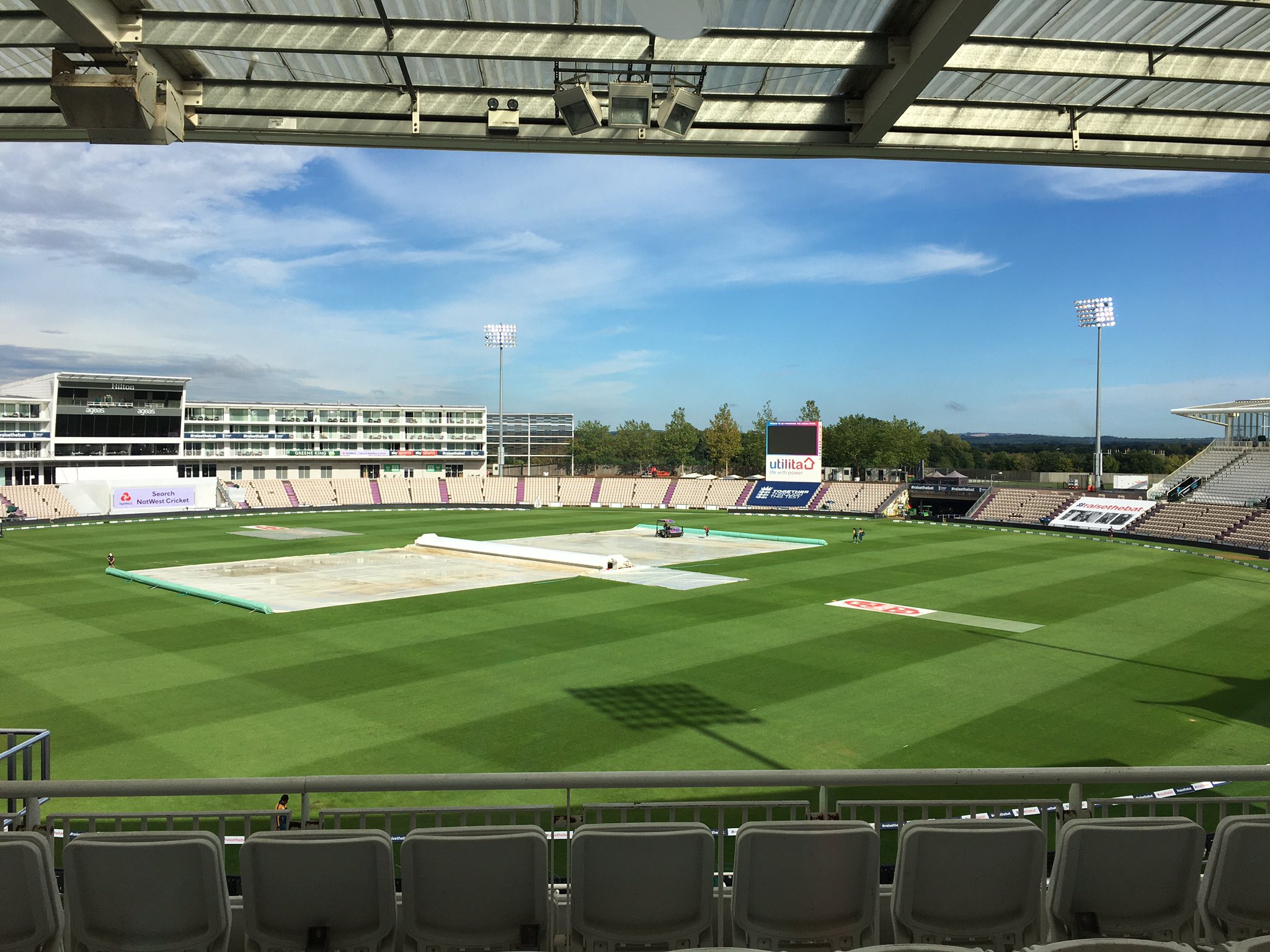
Its frustrating then that in the Second Test between England and Pakistan at the Ageas Bowl there have been just 96 overs bowled in four days play.

Some of this has been due to poor light or rain but very far from all of it. Somewhere there has been a ‘cant do’ attitude at work. I wouldnt for a moment suggest this is either with the Umpires or groundstaff but somewhere the message has clearly come that getting play if at all possible is not the priority here.

That is a governance issue that will need to be looked at with the ECB and the ICC not least because with all the efforts made by so many and in the current context it puts cricket in a very a bad light as it were.

It does also underline the role of a crowd at cricket. Of course they can enourage and discourage players and teams, be rowdy or nod off. But they also add an element of accountability which reminds those in their own bubble that there is an outside world watching here and what has been seen does not look good.

I was at the Oval in 1968 in the Ashes Test where a downpour held up play and the crowd helped to dry the outfield. That wouldnt happen now but it is a reminder that cricket is game of players, officials and spectators and all need to respect the views of each other.