Articles

Crisis leads to boom in letter writing

In Uncategorized on May 21, 2020 by kmflett

Crisis leads to boom in letter writing

According to a BBC report the current crisis is leading to a boom in letter writing.

People have time and a desire to communicate in greater length than social media allows and the physical, apparently, hand written letter, is on its way back.

This could be good news for research historians like myself since there is a chance as the report indicates that some letters may be preserved for posterity, even if only accidentally. By contrast e-mails and social media posts are difficult to track. If you can find an e-mail you sent 10 years ago, good luck, and things don’t really move from the current to history until the 30 year mark is reached.

The BBC report is here. Btw if you do get a letter from Lionel Shriver there is a traditional method known as the round filing cabinet for dealing with it…

https://www.bbc.co.uk/news/world-52709729

My guide to letter writing is below. This focuses on writing for a wider audience. Writing on a one to one basis tends to be more discursive, or rambling as some might see it in 2020

Challenged by the writer of a letter to The Guardian to construct a ‘masterclass’ in letter writing I have responded that something rather briefer is appropriate.

How you write the letter and how you send it is a matter of personal choice. However since my writing is illegible I word process my epistles and despite my ever present solidarity with CWU postal colleagues, I despatch them by e-mail.

Keeping to the letter format, of address, ‘Dear Editor’ and ‘Yours etc’ is important though, otherwise you might as well post something on twitter or Facebook, or indeed, for longer matters, write a blog.

So what are the key elements in my view of a good letter?

1] Brevity. There is more and more to read and attention spans may be shorter

2] To the point. Not quite the hook of a stand-up comedy line but the letter needs a central focus

3] On one issue. 1+2 together mean that keeping to one issue in one letter is important although your point could be that several issues are connected

4] Humour: not always appropriate but a light hearted touch can reach places more apparently gravitas laden pronouncements sometimes don’t.

and of course regular practice makes perfect (ish)

Articles

Boris Johnson & the daily briefing: a continuing history of absences

In Uncategorized on May 20, 2020 by kmflett

Boris Johnson & the daily briefing:  a continuing history of absences

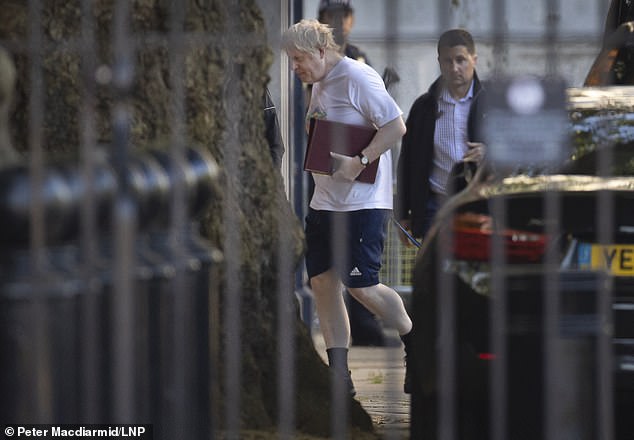
While Boris Johnson took Prime Minister’s Questions today, looking somewhat dishevelled and not arguably at his best he didn’t take the daily COVID-19 press conference, despatching another clean shaven Minister in a suit to do the job.

While when the daily briefings were launched in mid-March they were styled as Boris Johnson speaking to the nation each day in practice since his return from illness at Easter he has appeared rarely.

Of course he may be still be less than well,although he has reportedly been out jogging in a praiseworthy effort to exercise and lose weight, or feel that delegating the task is sensible.

However the wider context is his history of absences

In the crucial weeks before March (2020) Boris Johnson did not attend any of the five virus meetings held by Cobra, the emergency committee, in January and February and spent 12 days out of the public eye while on a ‘working’ holiday at (Chevening) in Kent.

Sunday Times 19th April

James Griffin, then Professor of Classical Literature at Balliol…was tolerant of Boris’s absences and late or non-existent work

Sonia Purnell, Just Boris

Boris’s persistent absences meant that mistakes were made that a more meticulous editor might have avoided

Sonia Purnell on Johnson’s period as Editor of the Spectator

‘not for the first time..the cry went up: Where is Boris’.

Sonia Purnell on attempts to contact Johnson, Mayor of London, after the start of rioting in London on 6/7th August 2011

Articles

Lockdown beards survey finds 57% demand that the Government keep barbers shops closed

In Uncategorized on May 20, 2020 by kmflett

Beard Liberation Front

21st May

Media Release

Contact Keith Flett 07803 167266

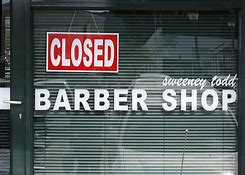
Lockdown beard survey sees 57% demand that Government keep barbers shops closed

The Beard Liberation Front, the informal network of beard wearers, has said that its survey of Lockdown beard wearers has found that 57% back the Government keeping barbers shops closed for the foreseeable future. 29% believed they should reopen for haircuts only, not beard trims, while 14% supported reopening*

The campaigners say that people should resist pressure to shave off their lockdown beards and return to work until there is clear guidance and a framework in place as to how this can be done while keeping their beard intact.

The new normal must include guarantees that make people feel it’s safe to return to workplaces and safe to do so while still wearing their lockdown beards

BLF Organiser Keith Flett, safety must be key to any return to work but so must guarantees that the days of shaving before going to work are at an end. We are calling on the Government to keep barbers shops closed and furloughed for the foreseeable future and to underline that shaving foam is not an essential item. A majority of lockdown beard wearers surveyed back our position and we expect the Government to listen

*The Beard Liberation Front surveyed 200 lockdown beard wearers in an on-line poll on 18 and 19 May 2020

Articles

The new normal for pubs? Time to nationalise Wetherspoons

In Uncategorized on May 20, 2020 by kmflett

The post below has appeared in the Morning Star and Culture Matters. Many thanks to Mike Quille for Editorial suggestions.

Some may say that a Tory Government wouldnt nationalise Wetherspoons. Perhaps not, although in a world where much has been turned upside down, why not be realistic and demand the impossible?

https://www.culturematters.org.uk/
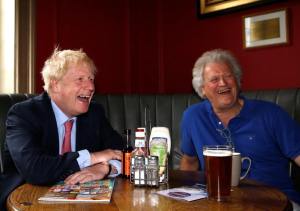
After COVID-19. Time to nationalise Wetherspoons?

All pubs in the UK are currently shut for trade on the premises, but pubs in England can re-open on 4th July with restrictions. After the Covid-19 crisis has receded, how could they be different? How could the spirit of self-help and community organisation, discussed by Jack Newsinger in his article in this series, be applied to pubs?

There is already a model model of pub ownership and operation that stemmed from a national crisis – the Carlisle State Management scheme, which started in 1916.

Pub opening hours were restricted, and pubs in areas where munitions were manufactured were nationalised, and five breweries were consolidated into one State-owned one.

The architect Harry Redfern designed 14 ‘new model pubs’ around the Carlisle area in the style of the arts and craft movement influenced by William Morris.

They could operate to wider criteria than making profits, and take into account principles of enjoyable, healthy alcohol consumption – all under the democratic control of an elected Government rather than owned and run to make returns to private shareholders.

The Carlisle scheme was a great success. By 1933 the pub contributed £60,000 annually to the Exchequer in profits. That’s around £4.3m in 2020 prices.

While the language and attitudes of 1916 are not those of 2020, the aim was clear. To shift the pub from being a place where men went to drink and get drunk to a more social environment where the whole community could go to talk, read, play games and generally enjoy some time away from both work and home.

In a post-Covid-19 world, a national network of publicly owned pubs owned and run by local communities or municipal bodies, promoting a socially conscious model of drink and leisure, would surely be an improvement on the current situation.

Fortunately there already exists such a network of more than 800 pubs across the UK, which based on pre-lockdown statements and actions by its owner could well be ripe for bringing into public hands.

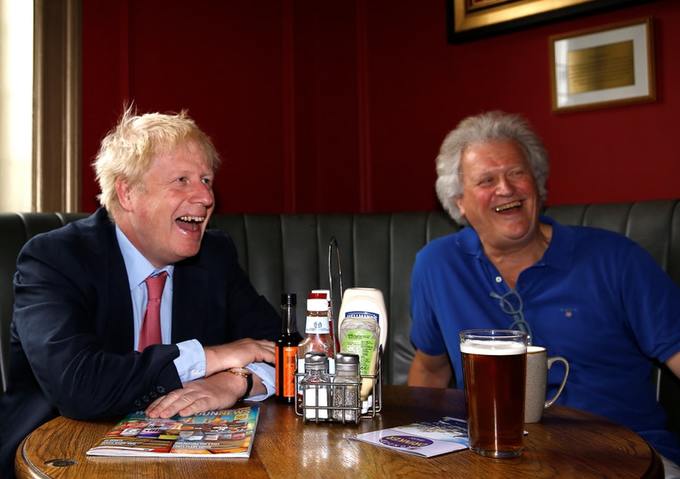
Tim Martin started his Wetherspoons pub empire within a few months of Thatcher becoming Prime Minister in May 1979. Some of the free market changes that Thatcher’s governments brought in helped Martin’s business. They boosted pub companies over the traditional brewery tied houses for example, and promoted a philosophy of individual freedoms (for some) which meant loosening restrictions on pubs.

No doubt these changes were welcomed by many, but they came at a price, such as long hours, low pay and zero-hours contracts for pub workers.

40 years ago many pubs sold only poor quality keg beer, the result of a trend to monopoly in the brewing industry from the 1960s that had left Britain with just a few mega-breweries. They didn’t often do much in the way of food and many tended to be dominated by middle-aged men with rather right-wing views. In short they were welcoming to the few, not the many.

The Wetherspoons business model, like the Carlisle Shceme, was different. Reasonable quality real ale, tea, coffee and meals were sold all day at reasonable prices. The pubs didn’t have loud music blaring out, TVs or fruit machines. They were places where you could go and chat, or read a book.

The result was that at that time in Wetherspoons pubs one could find a socially mixed clientele, including far more women and ethnic minorities than might be usual in other pubs.

Nowadays, however, Wetherspoons has become notorious as a poor employer, even in an industry not known for a high standard of employment practices.

So why not roll out a 2020 version of the Carlisle State management model, by nationalising Wetherspoons? The state would have a network of pubs which could be relatively easily modified to fit a concept of a new model pub, a community hub run for local people, not for profit. In time, they could be handed over to local authorities and communities to run.

As with the Carlisle Scheme, there could be rules and requirements covering managers and staff, so that a decent working environment with good wages could be provided, and precarious employment abolished.

Nationalising Wetherspoons and turning the pubs into a network of socially owned ‘new model pubs’ would be an example of cultural democracy which communities could build on in other areas of their cultural life, such as sport.

It is of course only one of a range of responses that will be required in beer, brewing, and pubs as a result of the Covid-19 crisis. State intervention could also be used to protect pubs threatened with closure, and shape them into more socially aware community hubs, where breweries or pub companies are still demanding rent against their non-existent income.

But it would be a good start, and relatively easy to do.


Articles

An October Bank Holiday: Does Trafalgar Day beckon?

In Uncategorized on May 19, 2020 by kmflett

An October Bank Holiday: Does Trafalgar Day beckon?

Visit Britain, the UK Tourism body has raised the issue of whether there should be an additional Bank Holiday in October. They had in mind of course the reality that the two May Bank Holidays have not helped a struggling tourism industry and extending the season into October might help, jobs as well as profits.

I doubt the Government is likely to agree for several reasons. Firstly because having more Bank Holidays is most recently a Labour idea. Secondly because Tories don’t like people having holidays when they should be working (they take holidays themselves obviously).

The idea of a later Bank Holiday has been a popular one in the tourist industry for a long time.

From the late 1940s there was pressure from the leisure industry, industry itself and the TUC to soften the focus on a summer holiday period that was very much around the end of July and early August including the Bank Holiday. It was felt that encouraging a wider spread of holidays was a good thing.

That was why from 1965 the August Bank Holiday was moved from the first Monday of the month to the last (except in Scotland where winter is already setting in by the end of August…).

No doubt the proposal would be to have an October Bank Holiday to mark Trafalgar Day (21st October) just the kind of patriotic flag waving occasion that would appeal to Johnson.

Trafalgar Day marks Nelson’s victory against the French and Spanish fleets in 1805 but flag wavers beware.

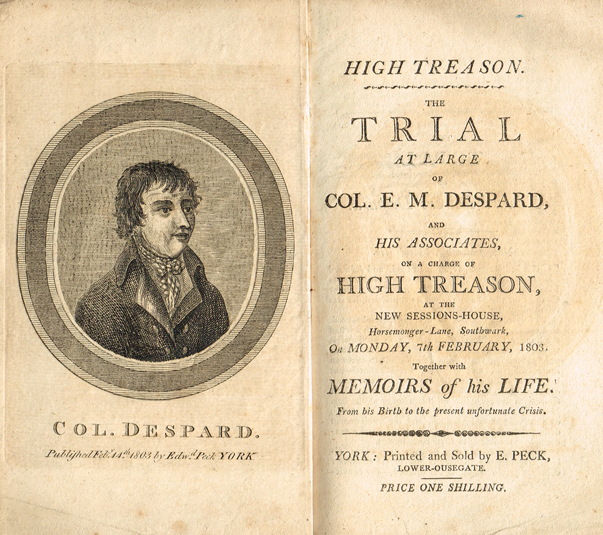
In 1803 Nelson gave evidence in the trial of the revolutionary Colonel Despard who was found guilty of treason and hung. Nelson spoke up in support of Despard.

Their patriotism and ours perhaps….

https://en.wikipedia.org/wiki/Despard_Plot


Articles

As virtual Chelsea Flower Show opens historians call for allotments & parks to be the ‘new normal’

In Uncategorized on May 19, 2020 by kmflett

London Socialist Historians Group

19th May

Contact Dr Keith Flett 07803 167266

As virtual Chelsea Flower Show opens historians call for allotments & parks to be the ‘new normal’

The London Socialist Historians Group, which organises the socialist history seminar at the Institute of Historical Research, has said that with the opening of the virtual Chelsea Flower Show, in the present moment a reminder about the wider role of allotments and parks needs to be made.

While the Flower Show is often seen as an event for the better off in society it reflects a much wider interest in gardens, flowers and plants.

However as recent ONS statistics have underlined those who have access to gardens are more likely to be at the better off end of society. By contrast the poor who live in shared accommodation, with a higher proportion of ethnic minorities, rely much more on parks for outdoor space and enjoyment, with access to gardens at best limited.

Public parks have been a focus of campaigning since the 1830s with growing provision in the late Victorian period aimed at allowing the least well off with poor living conditions the ability to get outside. In recent times parks, including displays of flowers and plants, have fallen victim to austerity inspired cuts.

A related movement developed around allotments, with the first Act providing for provision dating back to 1908. While the focus here was and is on growing fruit and vegetables they also allowed less well off people the chance to get outside. Well known current allotment holders include Jeremy Corbyn and Welsh First Minister Mark Drakeford.

LSHG Convenor Keith Flett said, many enjoy the Chelsea Flower Show, virtually this year. However if we are looking at provision of outdoor space for the many not the few there needs to be more of a focus on the provision of parks and allotments. They must become one of the benchmarks of the new normal and there is an impressive history of people fighting for their provision that needs to be renewed now.


Articles

Gillette finally has to concede: beards are here to stay

In Uncategorized on May 18, 2020 by kmflett

Beard Liberation Front

19th May

Contact Keith Flett 07803 167266

Gillette finally has to concede: beards are here to stay

The Beard Liberation Front, the informal network of beard wearers, has welcomed the news that shaving company Gillette has finally had to concede that beards are here to stay.

After many decades of promoting products focused on getting men to shave their facial hair the company has now launched the King C Gillette product range. It focuses on beard care, styling and maintenance

Gillette CEO Gary Coombe, is quoted as saying, “We’re excited to announce the launch of the King C. Gillette range – the first complete line up of products & tools designed for men with facial hair. Our founder King C. Gillette revolutionised the male grooming experience more than a century ago, and so it is fitting that this new brand bears his name

BLF Organiser Keith Flett said, while some prefer non-commercial methods of beard care such as soap, shampoo and water there is a demand for beard care products and we’re pleased that at last Gillette have grasped that beards are here to be groomed not shaved.

Gillette beard care kit details

https://www.gillette.co.uk/kingcgillette/beard-grooming-kits.list


Articles

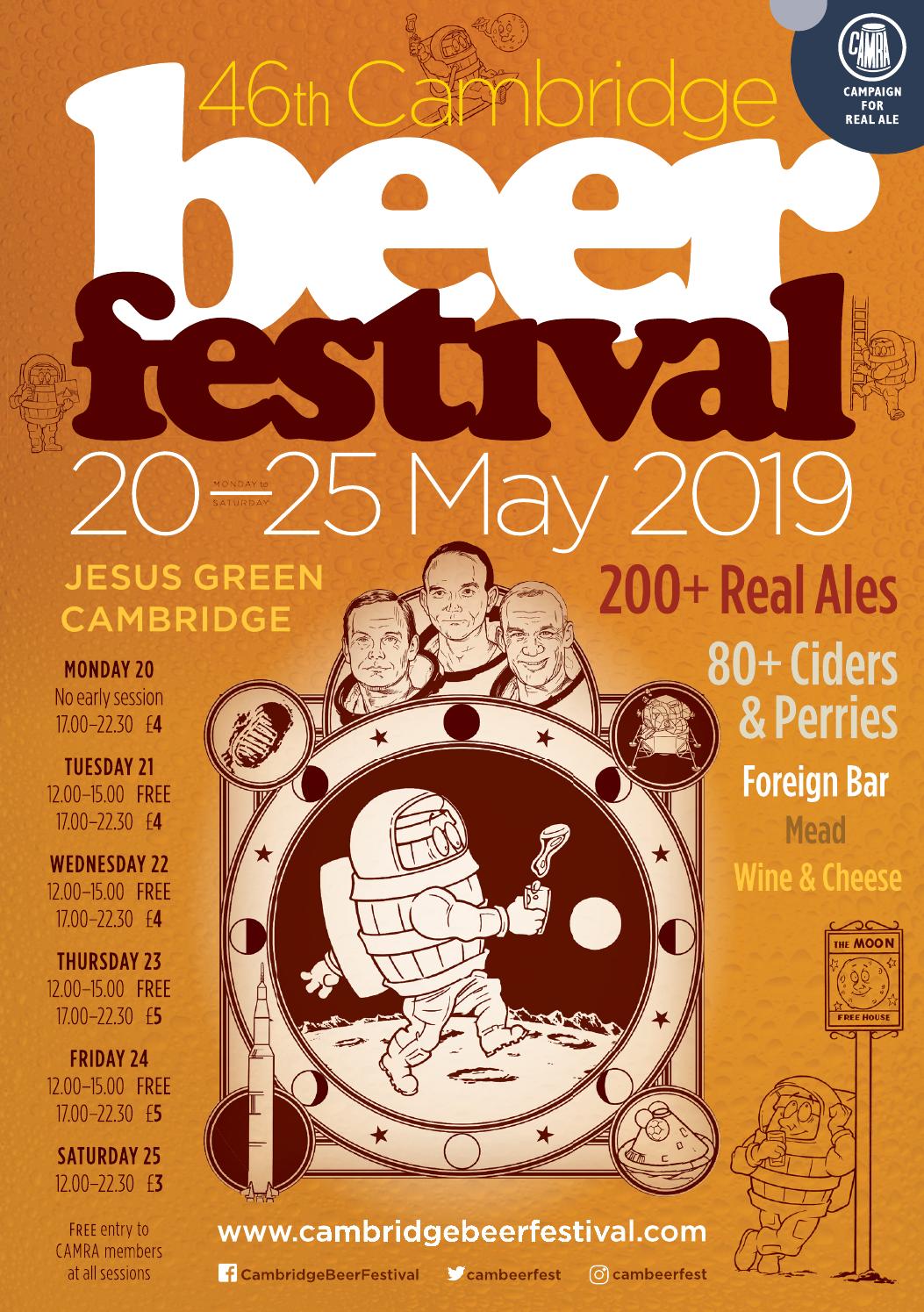
The World We Have (Temporarily) Lost. The 47th Cambridge Beer Festival would have opened today

In Uncategorized on May 18, 2020 by kmflett

The World We Have (Temporarily) Lost. 47th Cambridge Beer Festival

In recent years I’ve often been at the opening session of the Cambridge Beer Festival, arguably the UK’s longest running, which is on a Monday evening and then returned later in the week. That wouldn’t have been the case in 2020 because I’d have been at my trade union conference in Bournemouth. Obviously thanks to current developments neither have taken place.

The Beer Festival has gone virtual at this link:

https://www.cambridgebeerfestival.com/cambridge-beer-festival-online/

Its perhaps at this time of year when the weather is getting a bit warmer and Spring is in full bloom that staying indoors starts to provoke more reflection. A Spring visit to Cambridge, sometimes buying local asparagus in the market and then wandering across Jesus Green reminds that summer is on the way. Summer is still on the way of course!

Meanwhile my post on the 46th festival

I paid a visit to the 46th Cambridge Beer Festival on Wednesday. Although I am very old I wasn’t at the first, although I certainly attended several at the Corn Exchange.

These days it’s held in tents on Jesus Green which is perhaps just as well since it is an extremely well attended event. CAMRA of course have huge experience of organising beer festivals so everything works smoothly none the less.

There are some things which are traditional about the festival that continue still and I don’t mean the beards. The cheese counter is still going and in fact I think has improved with some interesting local and regional cheeses featuring this year.

Cambridge has embraced keykeg sometime since and there was a keykeg bar as well as beers using that method of dispense on the Adnams, Grain, Three Blind Mice and Bexar Country brewery stands.

While all the bars were busy the queue at the keykeg bar which stretched back a bit (service even so remained good) underlined where the zeitgeist is going.

Experience of the festival was being served a Hill Farmstead saison on the world beers bar by former Parliamentary Beard of the Year winner Julian Huppert.

There was certainly an effort to embrace progress here not just in a series of talks including a launch of the Queer Beer project but also a free tasting of a Bexar County mixed fermentation beer on cask and keg.

The festival is open all day Saturday and is well worth a visit.


Articles

The Sunday Times Rich List 2020 on Tim Martin & Wetherspoons

In Uncategorized on May 18, 2020 by kmflett

Sunday Times Rich List 2020

Tim Martin Hospitality

Joint 416th in the Rich List (2019 310th)

Valued at £311m (2019 £437m)

As Britain left the EU in January, Martin’s JD Wetherspoon pubs dropped the price of German Beck’s and Spanish Estrella Galicia lagers to £1.49 to help Brexiteers celebrate and remainers drown their sorrows. The group is worth £862.6m and Norwich born Martin, 65, has seen his stake fall to £277.4m

My thoughts on Tim Martin are here:

Tim Martin: The Thatcherite Hangover

Articles

Lockdown Beard Week 9. Campaigners demand Government keeps barbers shops closed

In Uncategorized on May 18, 2020 by kmflett

Beard Liberation Front

18th May

Media Release

Contact Keith Flett 07803 167266

Lockdown Beard Week 9. Campaigners demand Government keeps barbers shops closed

The Beard Liberation Front, the informal network of beard wearers, has said that people should resist pressure to shave off their lockdown beards and return to work until there is clear guidance and a framework in place as to how this can be done.

The campaigners say that the new normal must include a guarantees that make people feel it’s safe to return to workplaces and safe to do so while still wearing their lockdown beards

BLF Organiser Keith Flett, safety must be key to any return to work but so must guarantees that the days of shaving before going to work are at an end. We are calling on the Government to keep barbers shops closed and furloughed for the foreseeable future and to underline that shaving foam is not an essential item.

Barbers shops have re-opened in Poland but the BLF is demanding that they stay shut for the forseeable future in the four nations of the UK. Do you agree?

Working From Home beard. How to maintain your beard

1 Check twice daily for any split ends or misplaced hairs and remove them

2 Wash & comb through the beard every day at least once, preferably more often.

3 To maintain hair quality beard oils or balms are used by some, while others marinate briefly in imperial stout or porter.

4 Occasional pruning will help to strengthen hair growth and make sure you desired style is maintained. Pruning where required and appropriate should be on a weekly review basis

5 Post the last photo you have of your beardless appearance with the hashtag #theoldnormal together with one of your lockdown beard with the hashtag #thenewnormal