Articles

The Moral Economy of the price of a pint: £7.50 for a third of a 12% imperial stout?

In Uncategorized on August 27, 2018 by kmflett

The Moral Economy of the price of a pint: £7.50 a third for a 12% imperial stout?
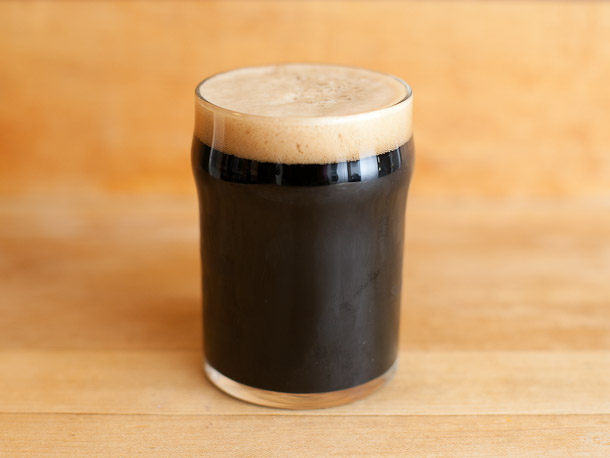
The price of a pint of beer, or perhaps as accurately the price of a half or third of a pint of beer, has been the source of considerable controversy in recent times and it being, apparently, a slow news period the Daily Mirror has published a story (h/t to John Gimblett) about the price of a pint of imperial stout in the Old St EC1 branch of the Craft Beer Co.

https://www.mirror.co.uk/money/britains-most-expensive-pint-hipster-13145934

The Craft Beer Co may not perhaps be at the cheaper end of craft beer bars (in fact I’m not sure such places exist). While £22.50 for a pint of 12% Alesmith Speedway Stout does seem robust no doubt it reflects the cost of actually importing the beer and so on. So you pays your money and you makes your choice as it were.

More modestly a pub guide found in 2017 that the most expensive ‘ordinary’ pint of beer in the UK was no longer in London but Surrey and was over £4. That is indeed a fair sum of money if you are on a low income. A survey by the trade British Beer and Pub Association found the average price of a pint of beer is now just over £3 across the UK. Lager, typically on keg rather than cask is more like £3.50 a pint.

If you like beer in this price context you might prefer, for example, the four for £6 offers on cans of Brewdog’s punk IPA that can be found in nearly all supermarkets.

There is a wider argument about the cost of beer and the impact of this on pubs then but I want to focus here specifically on the price issue and how it also relates to the style and quality of beer.

The original controversy arose particularly because someone had spotted a double ipa from the Manchester brewery Cloudwater on sale at the Rake in Borough Market for £13.40 a pint. Of course since the beer was 8-9% ABV you’d be drinking it in thirds or halves anyway but at £6.70 a half the price was still well above the ‘going rate’ for such a beer in London pubs which would usually be around £4.50-£5 a half.

I understand that the price neither deterred customers or put them off drinking the particular beer which quickly sold out (as Cloudwater beers invariably do) but it made the pub trade paper the Morning Advertiser and sparked a huge social media controversy.

Just how awkward the matter is to judge can be seen by a subsequent non-controversy over a 3.6% beer brewed by the US brewery Jester King and the London brewery Kernel that was selling in a Hackney pub for £13 a pint. How much, one might say? Except of course the beer had been matured in barrels for a lengthy period and then specially flown in from the US. It was probably one of the only UK outlets. In this case the cost of production and the importation justified the price.

The main impact on the price of a pint is Government taxation. Some will be able to remember the days when the Chancellor’s decision to raise duty on beer in the annual Budget led to news headlines that beer would increase by 1p or 2p a pint. It was invariably more once that increase had worked its way through various middlemen, but the underlying point was that there was a fairly clear idea of how much a pint of beer cost and hence how much changing the tax would change it.

The Campaign for Real Ale still campaigns for a reduction on beer duty as much as health campaigners and temperance advocates push for minimum alcohol pricing. Certainly the tax on beer in the UK is amongst the highest in Europe, and it seems unlikely therefore that Brexit will have a helpful impact on it for beer drinkers

Yet the world is now more complex than the notion of the average cost of the average pint.

Most of this in one way or another amounts to regulation of the market or lack of it and as we shall it leads back to eighteenth century debates about a moral economy, one of whose key features was the concept of a ‘fair price’ for consumers and producers.

The debate about the price of a pint revolves around what is reasonable for drinkers to pay particularly in the age of the 1% public sector pay cap. But it also raises issues about how much profit pubs and pub companies should be making (if any in some cases) and how much a brewery should expect in terms of a financial return for the beer it brews.

This equation around price, profit and also supply and quality of the raw materials- malt and, for beer, hops was central to the work of the Assize of Ale.

The Assize, a local Court, met to fix the price of beer and its quality. Aletasters were used to visit each brewery, often small brewers, or before the nineteenth century, brewsters, and check beer before it was sold to customers.

The Assize would go into some detail about the appropriate price for a pint, depending in the cost of supply of essential ingredients such as malt and the type of beer being produced. A high quality stronger beer would be allowed to be sold at a higher price than a lower strength standard beer. Also taken into account was the view that the Brewster or Brewer should be allowed to make enough profit to allow their business to continue and to be able to live on, but no more.

How was this enforced? If Aletasters found an issue with quality or price then this was reported to the Assize and the offending brewer or Brewster was brought before the Court and fined. It might be argued that some regarded the fine as a necessary part of doing business the way they wanted to, particularly as surviving records in some areas indicate a level of frequent offenders.

The system broke down as market capitalism started to intrude on purely local brewing, with some more successful brewers supplying a numbers of pubs and the role of middlemen, or forestallers and regraters, as they were sometimes termed, also becoming of increasing importance.

Yet the Assize, for the many issues that existed with it and how it functioned, did represent in principle the ideas that there should be a fair price to be paid for beer by the drinker and a fair profit, but no more, to be achieved by the brewer.

For the many not the few as the slogan has it.

This is an updated version of a piece that appears on-line at Culture Matters


Articles

Poll finds 70% want the August Bank Holiday moved back to beginning of the month

In Uncategorized on August 27, 2018 by kmflett

London Socialist Historians Group

Press Release 27th August

Contact Keith Flett 07803 167266

Poll finds 70% want the August Bank Holiday moved back to the beginning of the month

The London Socialist Historians Group who organise the socialist history seminar at the Institute of Historical Research in central London have said that an on-line poll has shown that 71.5% of those voting would like the August Bank Holiday moved back to the beginning of the month. 28.5% wanted to have a Bank Holiday on the first and last Monday of the month.

The August Bank Holiday was set as the first Monday of the month by the 1871 Bank Holidays Act and only changed for an experimental period to the last Monday of the month in 1965.

The change was made permanent in 1971 and was primarily a result of pressure from the leisure industry who felt that a later holiday would extend the season.

The Bank Holiday in Scotland remains on the first Monday in August- this year on August 1st.

Before legislation in the late 1930s Bank Holidays were the only official paid holidays available to workers and were seen as a significant advance in working class leisure time.

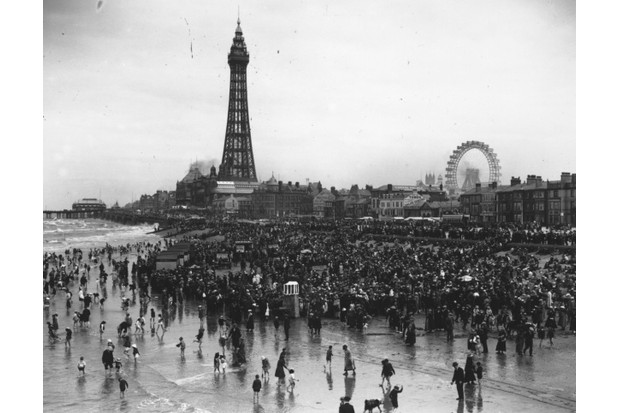
The August Bank Holiday was the most popular of those agreed by the 1871 Act precisely because it was in summer and the weather was likely to be better for a trip out than the Easter holiday.

Railway companies ran excursions and extra trains to seaside destinations.

The historians say that the nature of holidays, although still strongly influenced by school terms, have changed considerably in the last 40 years with short breaks at home and abroad more popular.

However the weather and certainly the available sunlight hours are potentially better earlier in August in most areas of the UK early in the month.

LSHG Convenor Dr Keith Flett, said given the weather on Sunday perhaps its no surprise that three-quarters who responded to our on-line poll would prefer the August Bank Holiday to revert the beginning of the month. However almost 30% wanted two August Bank Holidays, reflecting perhaps the comparative paucity of public holidays in the UK compared to much of the rest of Europe

Articles

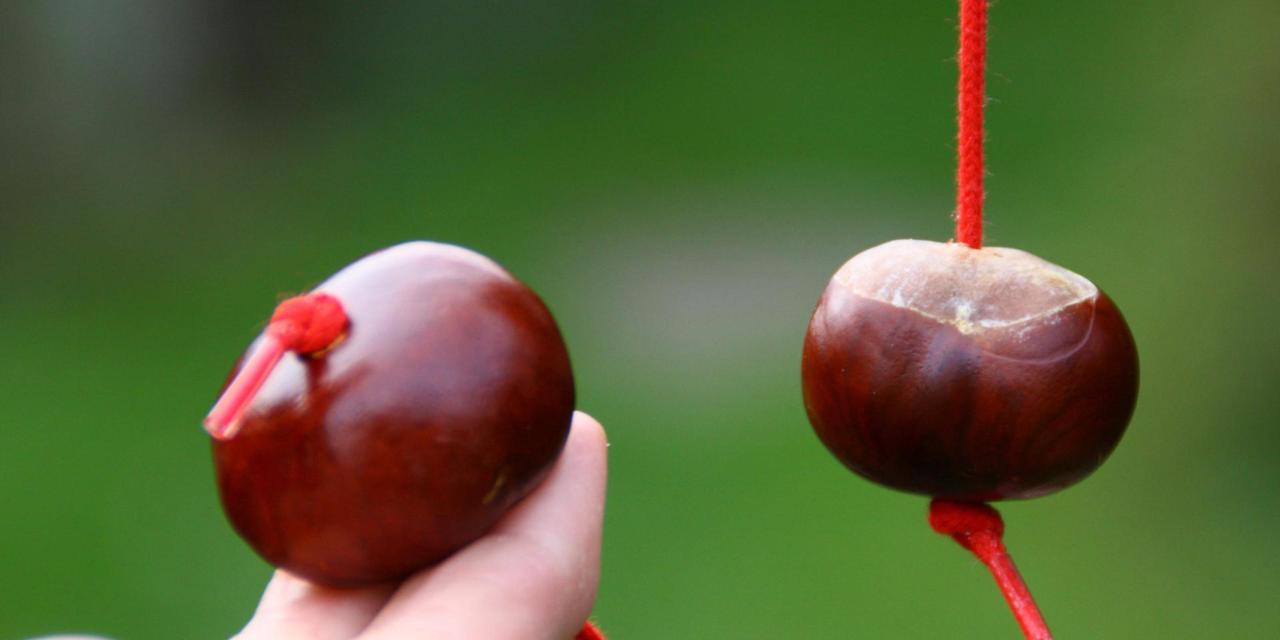
Conker season 2018 launch as campaigners say crisis is in shortage of players not conkers

In Uncategorized on August 27, 2018 by kmflett

Campaign for Real Conkers

Press Release August 27th Contact Keith Flett, 07803 167266

Conker season 2018 launches as campaigners say crisis is in shortage of players not conkers

Matthew Taylor/BBC

The Campaign for Real Conkers, the group that opposes bans on conker playing, has said that with the 2018 conker playing season getting underway on August Bank Holiday Monday it expects it to be the best for some years

Campaigners say that there is no evidence the warm summer has led to a shortage of British conkers as a cursory look at conker trees will show. Most are fully laden with conkers which after wet and windy weather on Sunday should now be starting to fall.

However the CFRC has warned that the game of conkers is in serious decline and unless a new generation of players is found it may not exist in 20 years time as screen based games become increasingly popular.

The campaign believes that conkers is a game that is free to all play and should also be free of rules and regulations whether imposed in contests or petty bureaucrats who argue wrongly that playing conkers is in some way dangerous.

Campaign organiser Keith Flett said, the real problem will be, as it has been for some years, not a shortage of conkers but a shortage of players. In many areas conkers lie uncollected. We aim to get the message across that conkers is free, easy to play and very enjoyable. No rules, regulations or training are required.

The Campaign for Real Conkers promotes free for all conker playing across the UK an alternative event to the World Conker Championships on Sunday October 14th where it encourages people to have a go at playing conkers without the need for rules, regulations and teams.

Where We Stand

The CFRC believes that conkers is one of the few sports that can be played for free. All that is required is a conker and some string.

It is opposed to championships, rules, regulations and commercial sponsorship.

It seeks to encourage young people to play conkers. It should not be the preserve purely of those of mature years.

‘World Conker Championships’

Home


Articles

The Observer’s dislike of holidays

In Uncategorized on August 26, 2018 by kmflett

The Observer seems to have developed a dislike of public holidays and indeed holidays in general.

In 2017 a columnist complained that Bank Holidays were a miserable thing (the weather doesnt feature)

https://www.theguardian.com/lifeandstyle/2017/apr/30/bank-holidays-misery-no-more-seasides-nausea-family-eva-wiseman?CMP=share_btn_tw

Now they seem to have taken an Editorial dislike to the length of summer holidays. The reason why the August Bank Holiday is now on the last Monday of the month is the assumption (not always correct clearly) that the weather is better for holidays in the summer than at any other time of the year.

https://www.theguardian.com/society/commentisfree/2018/aug/26/long-school-summer-holidays-inequality-poorer-families

The Observer Editorial argues for shorter summer holidays in the name of equality. In reality Britain is the long hours capital of Europe, We need more holidays full stop, not the existing ones redistributed (even if you think that’s a good idea)

Articles

Is Vince Cable set to break the mould & say the next LibDem leader must NOT be a clean-shaven man?

In Uncategorized on August 26, 2018 by kmflett

Beard Liberation Front

Press Release

26th August

Contact Keith Flett 07803 167266

Is Vince Cable set to break the mould & say the next LibDem must not be a clean-shaven man?

Wiki

The Beard Liberation Front, the informal network of beard wearers, has said that it is expecting that an announcement by current LibDem leader Vince Cable on 7th September will include a mould breaking statement that the next Party leader must not be clean-shaven man in a suit.

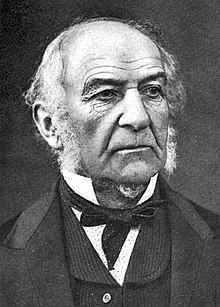
The Party has a famous history of hirsute leaders include Gladstone and Lloyd George but in the post-1945 era it has always been led by a clean-shaven man in a suit, including the current incumbent.

The campaigners say that image is a key part of modern politics and while Labour is led by veteran beard wearer Jeremy Corbyn and the Tories have a female leader with Theresa May, the LibDems remain very conservative in terms of leadership profile.

BLF Organiser Keith Flett said, we are hopeful that Mr Cable will make a genuinely mould breaking statement and make way either for a hirsute man or a woman as leader of the LibDems.

http://uk.businessinsider.com/vince-cable-september-speech-lib-dem-resignation-rumours-2018-8


Articles

The Ambridge Socialist: Borsetshire Blue cheese in crisis

In Uncategorized on August 26, 2018 by kmflett

The Ambridge Socialist

26th August

All the news of the class struggle in Borsetshire

Borsetshire Blue cheese in crisis

You may have thought that the real crisis in Ambridge was how many Brexit sheep Daveed and Roooth need or when Freddie Pargetter and Brian Aldridge will finally end up sharing a jail cell. However a much more serious matter has arisen. There is a crisis with Borsetshire Blue cheese.

Ian Head Chef at the aptly named hotel Grey Gables has told Helen Archer who is responsible for the dairy that makes the cheese that he is taking it off the menu because it is ‘too bland’.

Its not clear whether Ian actually knows anything about cheese and whether he means it is too mild and creamy or if he has failed to spot the traditional sweaty socks smell of the best blue cheeses in recent batches of Borsetshire Blue.

Either way it is a crisis for Helen. Is the cheese really too bland and if it is what can she do to change it?

What the BBC say about the cheese

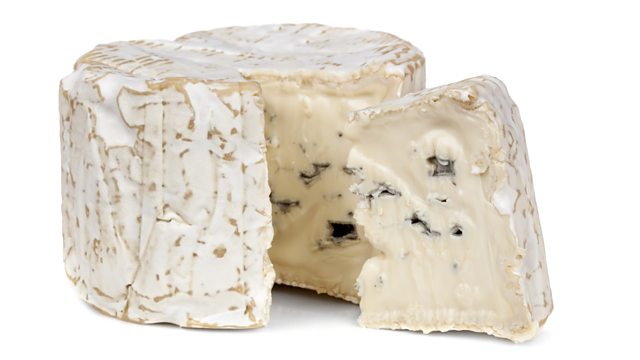
Borsetshire Blue

Borsetshire Blue has a long history in the county and Helen Titchener’s product came into being after her aunt Jennifer Aldridge, who has a strong passion for local history, gave her some old recipes for traditional local cheeses back in 2001.

The soft cheese, which is made at Bridge Farm, takes ten weeks to mature. It is said to go well with wine as well as cider. And this isn’t the first time it has been recognised by judges. In 2007, Borsetshire Blue won a silver medal at the British Cheese Awards.

Call me Russ (Jones)

Russ is writing a character reference for Freddie. The Court may be baffled by the hyperbole. In a related development Lily has outed ‘call me Russ’ to Elizabeth as a dirty old man.

In other news

The Parish Council is meeting to discuss housing developments…

Lynda Snell wants results from PC Knacker Burns about the Llama.. Perhaps the person who did it also has the bunting. Best check with Susan Carter.

Articles

Bank Holiday weather sees suspension of Beard , Shorts & Sandals season

In Uncategorized on August 26, 2018 by kmflett

Beard Liberation Front

26th August

Media Release contact Keith Flett 07803 167266

Bank Holiday weather sees suspension of Beard, Shorts & Sandals Season

The Beard Liberation Front, the informal network of beard wearers, has said that the 2018 Beard, Shorts and Sandals which started on Monday 7th May has been suspended following poor weather on Bank Holiday Sunday in England and Wales.

The season may re-open during the week depending on the forecast

SUSPENDED GUIDELINES DUE TO INCLEMENT WEATHER

The BLF says that it relaxed guidelines for the 2018 season and brought in a new framework governing types of footwear, length of shorts and the controversial issue of socks:

1] Shorts may be half length (to the knee) or three-quarter length-‘sans culottes’

2] Footwear should be casual. There is a considerable range of sandal type footwear now available. Some leaves parts of the feet and toes open to public view, while some does not. The BLF is not prescriptive about the matter.

3] Socks should generally not be worn. However if the beard, shorts and sandals are to be displayed in busy urban areas it is likely to be prudent to wear closed rather than open casual footwear

4] There is no prescription or definition on what type of beard may be worn, or how this may match with the shorts and sandals. This is left up to the individual.

BLF Organiser Keith Flett said, the 2018 Beard, Socks and Sandals season has been of the most successful ever. However given the Bank Holiday weather we are suspending it. Venturing outside with no protection against the elements will be foolhardy and shorts and sandals don’t do the job

Articles

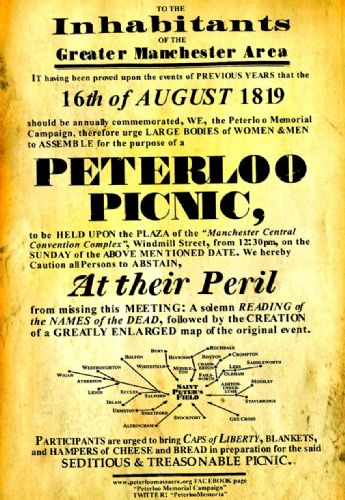
Cheese, radicalism & the cheesemongers who rode with the Yeomanry at Peterloo

In Uncategorized on August 25, 2018 by kmflett

Cheese, radicalism & the cheesemongers who rode with the Yeomanry at Peterloo

I’ve been pondering this subject for a while but it remains work in progress.

Of the tradesmen who rode with the Yeomanry at Peterloo there were two cheesemongers listed:

Joseph Anthony 32 Deansgate (also special constable)

Heyward St Mary’s Gate

Why they rode on that August Monday (16th August 1819) I still don’t know. Manchester by 1819 was the centre of a significant regional cheese market but why a cheesemonger should so dislike their potential customers as to participate in an attempt to cut them down with sabres is less clear.

We can say that cheese was an important part of early nineteenth-century proletarian culture.

Samuel Bamford in his Passages From the Life of a Radical for example noted:

‘a decent wedge of cheese with bread to it and a quart of ale’ (while held prisoner before Peterloo)

‘oat cake cheese and ale.. our ale was eight-penny and of prime tap’

Meanwhile EP Thompson in the Making of the English Working Class reported that:

The southern rural labourer refused to abandon his diet of bread and cheese

While a term of abuse in the North-West of England from a Macclesfield radical was that their opponent might be a ‘borough-monger, whore-monger or cheese-monger’

Wiiliam Cobbett amongst other things a chronicler of rural life around the time of Peterloo noted in his Rural Rides that;

‘before we got to Petersfield we called at an old friend’s and got some bread and cheese and small beer which we preferred to strong’.

So we can see that cheese was central to working class diets and culture around the time of Peterloo. Engels in his The Condition of the Working Class  (1844) makes reference to bacon and cheese for dinner if things were going well for a family. If not the meal might be old cheese, soup and bread. Old Cheese was acceptable according to Engels because even if it couldn’t be eaten directly it could be grilled or heated and consumed melted

What the motivated the cheesemongers to ride with the Yeomanry we still don’t know. It may be that they sold a relatively expensive food item that nevertheless was seen as essential to working-class diets and in that equation class tensions arose.

The food riots over the price and quality of food that formed the core of E P Thompson’s concept of an eighteenth century moral economy (riots were few, it was the threat of them that produced results) were most frequently over bread or the wheat to make bread with. Whether cheese ever formed part of the direct action that the crowd took requires further research…

Articles

Beard campaigners confirm guidelines for eating hummus

In Uncategorized on August 24, 2018 by kmflett

Beard Liberation Front

24th August

Beard Campaigners confirm guidelines for eating hummus

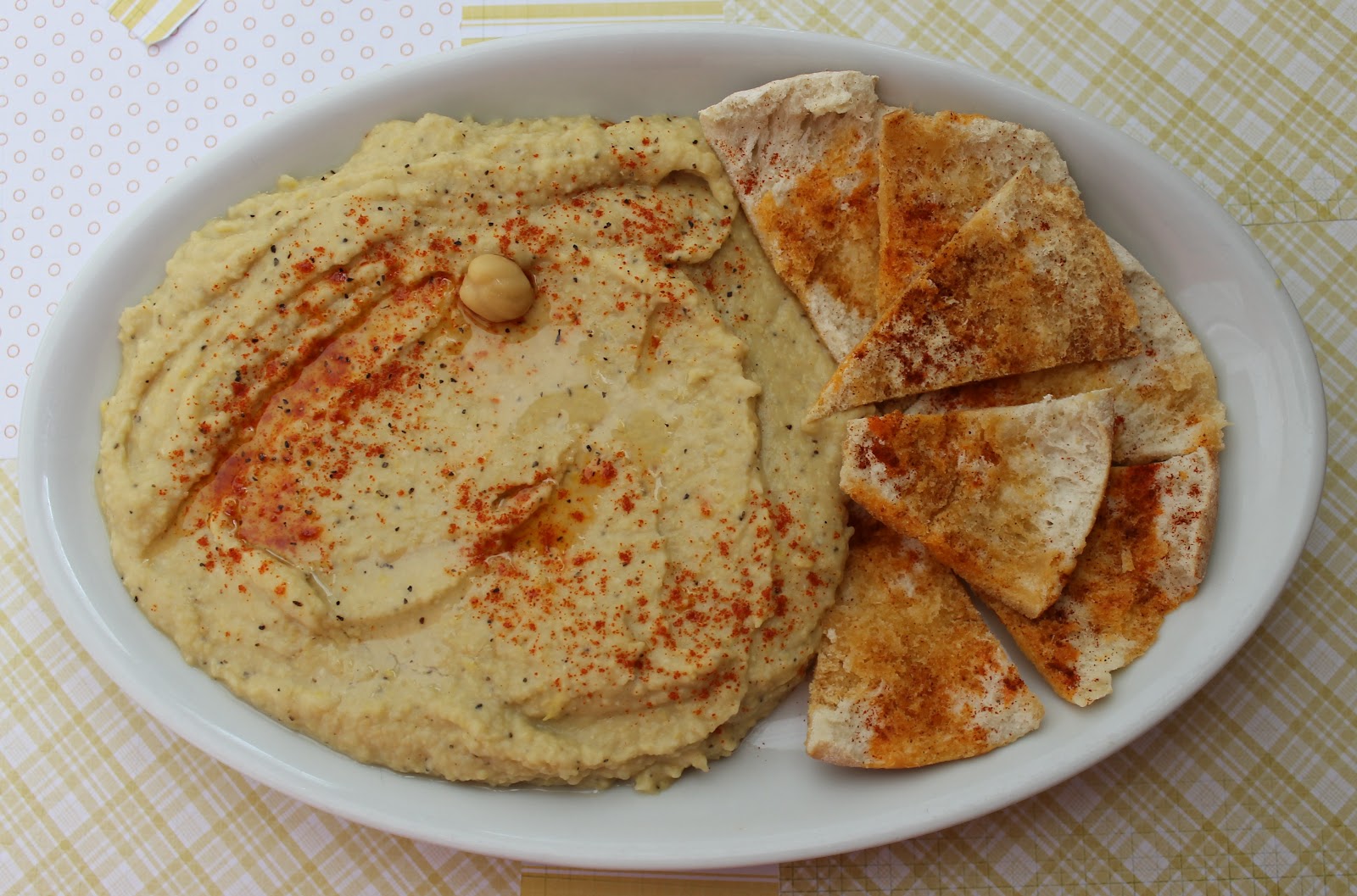
The Beard Liberation Front, the informal network of beard wearers, has confirmed its guidelines for eating hummus with a beard.

The move comes after twitter exchanges between the BLF and a group calling itself the Hummus Liberation Front on 23rd August.

The Beard Liberation Front has reaffirmed that support for the HLF is fully compatible with support for the BLF.

The campaigners say that while it is possible to find commentary that eating hummus with a beard merely results in hummus becoming lodged in the beard, such points are very likely to have been made by pogonophobes promoting the tired ‘food in the beard’ stereotype.

BLF guidelines ensure that hummus can be safely eaten by the hirsute.

Guidelines

Make sure that there is adequate, pitta, flat bread etc to hold the amount of hummus you wish to eat.

Dip the bread in the hummus and make a visual inspection to make sure that none is dripping off.

Bring the bread to the mouth with one hand, while holding the other hand underneath to catch any residue.

Repeat to taste

Wearing a snood is optional

Articles

E P Thompson on why Peterloo was a turning point in British history

In Uncategorized on August 24, 2018 by kmflett

There has been an exchange between Daniel Finkelstein and ALan Rusbridger about whether Peterloo was or was not a turning point in British history and hence should or should not be included as a core part of the school history curriculum.

Why Alan Rusbridger is right & Daniel Finkelstein is wrong on the importance of Peterloo

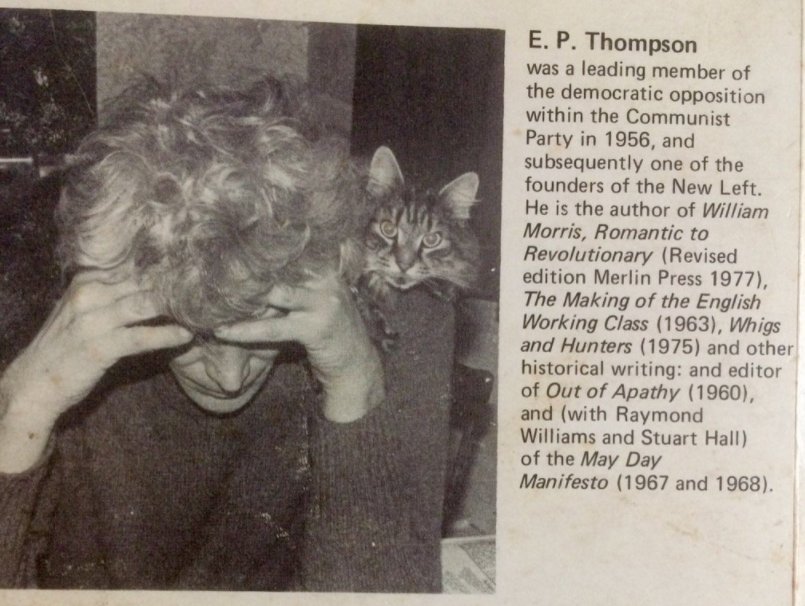
EP Thompson addressed the matter 60 years ago and below is an extract from the article where he did so:

The larger questions posed by Peterloo still remain unanswered. Why has the word echoed ever since in our history? How far was it a defeat, how far a moral victory? How far does it represent a turning-point, which forced the Whigs and the unrepresented middle-class to come forward as reformers “to rescue the multitude out of the hands of the Hunts and Thistlewoods”. (Life of Wilberforce, V, 37). How far did the revulsion which it caused restrain Old Corruption from using the same tactics between 1830 and 1832? If it was a victory for repression, why was the victory not complete? What toughness was there within our democratic traditions which enabled them to withstand the shock of Oliver and the Derby beheadings, August 16th and the Six Acts? How was it, despite these Acts, that Cobbett continued to write, and reformers to organise and meet?

Strikers or agricultural labourers might be fair game; but never since Peterloo has authority dared to use equal violence on a peaceful British crowd. Even Bloody Sunday saw a violence which was carefully controlled; the real thing has been reserved for Amritsar or Nicosia.

EP Thompson, God, King & Law. The New Reasoner Winter 1957/8

https://www.marxists.org/archive/thompson-ep/1957/peterloo.htm